
Author

Paul Watson

Browsing

Seasonal storage is a routine part of owning a vehicle you care about in Canada. Winters are hard on cars, and the instinct to protect a classic, a convertible, a sports car, or a pristine daily driver from months of salt and cold is well-founded. What has changed in recent years is how some owners are getting their vehicles to and from storage – and why professional transport is increasingly part of that calculation.

The traditional model assumes the owner drives the car to the storage facility in the fall and drives it back in the spring. That model works when the storage location is nearby. It works less well when the ideal facility is far from home, when the owner has moved since setting up the storage arrangement, or when the vehicle being stored is one they would rather not drive in marginal conditions at either end of the season.

Why Storage Location and Home Address Do Not Always Align

Specialized storage facilities – climate-controlled units, indoor car storage specifically designed for collector vehicles, or facilities with the security features some owners require – are not evenly distributed across Canadian cities. An owner in a dense urban area may find that the best available facility for their needs is an hour or more outside the city, or in a neighbouring region entirely.

Over time, circumstances change further. An owner who set up a storage arrangement five years ago may have moved to a different city since then and maintained the same facility out of inertia or genuine preference. The drive that was once straightforward has become a half-day trip each way, twice a year.

For these owners, the seasonal transport calculation starts to look different. The cost of professional transport is weighed against four to six hours of travel, the wear of driving a vehicle specifically being stored to protect it, and the seasonal timing risk of making that drive in early November or late March when conditions in many parts of Canada are unpredictable.

The Case for Not Driving a Stored Vehicle to Storage

There is a certain logic to the idea that a vehicle being stored because of winter should not make its final trip to storage in winter conditions. Road salt begins accumulating the moment a car rolls onto a treated road surface. A vehicle driven to storage in November arrives already exposed to the thing it is being stored to avoid.

For owners who invest in pre-storage detailing, undercoating, or fluid changes specifically to protect the vehicle through winter, driving it to the facility on salted roads undoes part of that preparation before the car has been on the lift. Shipping the vehicle to storage on a carrier keeps it off treated roads entirely for the duration of the season.

The same logic applies in reverse for spring retrieval. A vehicle that has been in climate-controlled storage for five months arrives at your door via carrier in the same condition it left, rather than having navigated late-season road grime on the return trip. Enclosed car transport keeps the vehicle off the road surface entirely in both directions, which is the most complete expression of the original reason for storing the car.

Timing the Seasonal Shipment

The two seasonal transport windows – fall storage and spring retrieval – correspond with some of the busiest periods for carrier capacity on many Canadian routes. October and November see a surge in demand from snowbirds, seasonal storage moves, and late-year relocations. April and May bring the reverse surge as storage vehicles come out and snowbirds return north.

Booking three to four weeks ahead of the target pickup date is a reliable approach during these windows. Owners who manage both the fall and spring transport as a paired booking at the start of the season lock in scheduling and often have more leverage on rate continuity with a carrier they have established a relationship with.

The storage facility itself needs to be part of the coordination. Confirm that the facility has adequate space and access for a transport carrier at the time of scheduled delivery. Some indoor storage facilities have specific operating hours or require advance notice before accepting vehicle deliveries. Discovering this the day before the carrier arrives creates unnecessary complications on both sides.

Open vs. Enclosed for Storage Transport

The service type question for seasonal storage transport almost always resolves toward enclosed, for the same reason the storage itself is being arranged. Owners storing a vehicle to protect it from weather exposure have already expressed a preference for keeping the car out of the elements. Open transport, which exposes the vehicle to highway conditions during transit, is somewhat at odds with that objective.

Enclosed transport is not universally necessary. An owner storing a standard daily driver primarily to reduce winter mileage and salt exposure may be entirely comfortable with open transport. The vehicle is not being stored for condition preservation in the same way a classic or collector car is.

For vehicles where condition is the primary motivation for storage – a restored car, a summer-only sports car, a concours vehicle – enclosed transport is the consistent choice. The incremental cost over open transport on most Canadian routes is modest relative to the investment the vehicle represents and the intent behind storing it in the first place.

Coordinating with the Storage Facility

Storage facilities that accept carrier deliveries are accustomed to the logistics, but they vary in how they handle them. Some accept delivery at any time during business hours and have staff who can receive the vehicle and complete the condition report. Others require the owner to be present at delivery, which adds a coordination step if the owner lives far from the facility.

Clarify this before booking transport. If owner presence is required at delivery, the transport schedule needs to align with the owner’s availability in addition to the carrier’s timeline. If the facility can accept delivery independently, confirm that their staff will complete the condition report on your behalf and that you will receive a copy.

For spring retrieval, the same coordination applies in reverse. The facility needs adequate notice before the carrier arrives for pickup. Some facilities require a minimum notice period to move vehicles from deep storage positions and have them ready at the access point. Car shipping across Canada to and from storage facilities follows the same logistics as any door-to-door shipment, but the facility’s own operational requirements add a layer of coordination that residential pickup and delivery does not have.

Insurance During the Storage Period and Transit

A vehicle in long-term storage has different insurance needs than one in daily use, and the transitions into and out of storage create specific coverage moments that are worth addressing directly.

Many owners reduce their insurance coverage during the storage period – dropping collision and liability while maintaining comprehensive to cover fire, theft, and weather damage while the vehicle is stationary. The transit periods at the beginning and end of storage fall outside that reduced-coverage window and need to be accounted for separately.

Confirm with your insurer that the vehicle is covered for commercial carrier transport during the transition from home to storage and back. If the policy has been reduced to storage-only coverage, it may need to be temporarily reinstated to its full form for the transit period. This is a straightforward conversation with your insurer, but it needs to happen before the carrier picks up rather than after. Auto transport coverage through the carrier’s own cargo insurance covers physical damage in transit but does not replace the owner’s policy for liability or comprehensive purposes.

Frequently Asked QuestionsCan a carrier deliver directly into an indoor storage facility?

It depends on the facility’s ceiling height, door dimensions, and whether the access configuration accommodates a transport carrier. Confirm the facility’s specifications with both the storage operator and the carrier before booking to ensure the delivery can be completed as planned.

Is it worth shipping a car to storage if the facility is only an hour away?

For most owners, driving an hour each way twice a year is manageable and shipping is not necessary. The calculation changes when the vehicle is one you prefer not to drive in shoulder-season conditions, when the drive involves highway exposure on treated roads, or when the time cost is meaningful relative to the convenience of a carrier pickup at your door.

How do I handle the condition report if I am not present at delivery to the storage facility?

Arrange in advance for a facility staff member to complete the delivery condition report on your behalf. Ensure you have a copy of the pickup condition report to compare against, and ask the facility to photograph the vehicle at delivery and share the images with you directly.

Curacao, a jewel in the southern Caribbean, is famous for its turquoise waters, pristine sandy beaches, and year-round sunshine. Whether you’re a beach lover, snorkeler, or simply seeking a relaxing day under the sun, the island has something for everyone. While some beaches are easy to access, many of Curacao’s hidden gems are best explored with a rental car. Renting a car not only gives you freedom and flexibility, but it also allows you to reach remote beaches, navigate varying road conditions, and stop along the way at other must-see spots.

In this guide, we highlight the top 10 must-visit beaches in Curacao and explain why having a rental car is the ideal way to experience them.

1. Playa Knip (Kenepa Beach)

Playa Knip is one of the most famous beaches in Curacao, known for its dramatic cliffs, crystal-clear waters, and ideal snorkeling conditions. The beach is divided into two sections: Knip Beach and Knip Little Beach, both offering stunning views and a serene environment.

Getting There with a Rental Car: The roads to Playa Knip are paved but narrow in some areas, so a compact or SUV rental works well. Parking is available on-site, though it can fill up quickly during peak hours. Along the way, you’ll pass scenic viewpoints perfect for photos of the coastline.

2. Cas Abao Beach

Cas Abao is a picture-perfect beach with white sand, calm waters, and excellent snorkeling opportunities. Facilities include restaurants, restrooms, and shaded areas.

Getting There with a Rental Car: The beach is accessible via well-maintained roads, and parking is plentiful. Renting a car allows you to visit early in the morning before crowds arrive, and you can explore nearby beaches like Porto Mari for a full day of seaside adventure.

3. Playa Porto Mari

Playa Porto Mari is famous for its double reef, making it ideal for snorkeling and diving. It features picnic areas, bars, and lounge chairs for a relaxing beach day.

Getting There with a Rental Car: The paved road leading to Porto Mari is straightforward, and onsite parking is available. With a rental car, you can combine your visit with nearby beaches and natural attractions like the Christoffel National Park, just a short drive away.

4. Playa Lagun

Playa Lagun is a small cove popular with snorkelers and divers due to its calm waters and vibrant marine life. The beach has a more secluded vibe, making it ideal for quiet relaxation.

Getting There with a Rental Car: The road to Playa Lagun is partially paved, with some narrower turns that require careful driving. Having a rental car ensures you can stop at Grote Knip and other viewpoints along the way. Parking is limited, so early arrival is recommended.

5. Mambo Beach (Seaquarium Beach)

Mambo Beach is lively, with a long promenade featuring restaurants, bars, and shops. It’s perfect for visitors who enjoy a mix of beach and entertainment.

Getting There with a Rental Car: Located near Willemstad, Mambo Beach is easily accessible via well-paved roads. Ample parking is available near the promenade, making it convenient for families or large groups.

6. Playa Jeremi

Playa Jeremi is a hidden gem with a serene atmosphere, perfect for those seeking a peaceful beach experience. It has soft sand, clear waters, and limited crowds.

Getting There with a Rental Car: The road to Playa Jeremi is mostly paved but becomes slightly rough closer to the beach. A compact car or SUV rental is ideal. The beach has parking for a few vehicles, so arriving early is recommended.

7. Kenepa Grandi

Kenepa Grandi, also known as Grote Knip, is famous for its stunning cliffs and panoramic ocean views. It’s a favorite spot for photographers and snorkelers.

Getting There with a Rental Car: The road is mostly paved, but it narrows in sections. With a rental car, you can stop at nearby Klein Knip for an equally breathtaking but less crowded experience. Parking is available at the entrance.

8. Playa Kalki

Playa Kalki is known as Alice in Wonderland Beach for its exceptional snorkeling and diving. The waters are calm and clear, perfect for underwater exploration.

Getting There with a Rental Car: The beach is accessible via paved roads, with parking available close to the sand. A rental car allows you to explore nearby attractions like Westpunt, where the landscape is rugged and beautiful.

9. Cas Abao Beach

Not to be confused with Cas Abao, this small beach offers seclusion and quiet waters. It’s ideal for travelers seeking privacy and relaxation.

Getting There with a Rental Car: While the roads are well-paved, they are narrow in some stretches. Having a rental car allows you to easily access this hidden beach and enjoy flexible arrival and departure times.

10. Klein Curacao (Little Curacao)

Klein Curacao is an uninhabited island off the southeast coast, famous for its white sand beaches, lighthouse, and incredible snorkeling.

Getting There with a Rental Car: To reach the boat dock for Klein Curacao, you’ll need a rental car to navigate the island’s roads. The roads leading to the docking point may be rough and require careful driving. Parking is available near the port. Renting a car ensures you can manage your schedule and combine your trip with other nearby attractions.

Benefits of Using a Rental Car to Visit Curacao’s Beaches

Flexibility and Freedom

A rental car allows you to create your own schedule, visit multiple beaches in one day, and stay as long as you like at each location. You’re not dependent on taxis or public transport timetables.

Access to Remote Beaches

Many of Curacao’s best beaches are off the beaten path. With a rental car, you can easily reach secluded spots, hidden coves, and scenic viewpoints that are difficult to access otherwise.

Convenient Parking

Most of Curacao’s beaches have dedicated parking areas. Renting a car ensures you have a place to park without relying on taxis or walking long distances from public transportation stops.

Road Conditions

Curacao has a mix of paved and rough roads. While main highways are smooth and well-maintained, some hidden beaches require navigating narrower or uneven paths. A rental car gives you the flexibility to drive safely and comfortably, with options ranging from compact cars to SUVs or 4x4s for rugged terrain.

Combine Beach Trips with Other Attractions

With a rental car, you can combine beach visits with other island experiences, such as exploring national parks, historical landmarks, or scenic viewpoints. It’s the perfect way to make the most of your day on the island.

Conclusion

Exploring Curacao’s top beaches is a must for any visitor, and having a rental car makes it easy, convenient, and enjoyable. From lively beaches like Mambo Beach to secluded gems like Playa Jeremi and Klein Curacao, a rental vehicle provides the freedom to explore the island at your own pace, reach hidden spots, and enjoy all that Curacao has to offer. Whether you’re planning a family trip, a romantic getaway, or a solo adventure, renting a car ensures that every beach day is a perfect experience.

Your car just might not look the same and you for sure will not feel the same sitting inside your car driving to work or school. Protect your investment! For drivers in Melbourne, knowing what a logbook service includes is a wise thing to do. Whether your next service is on the horizon or you’re just curious, here is what you need to know.

What is a Logbook Service?

A log book service is a comprehensive service guided by the manufacturer’s specifications. Your car’s logbook, included when you purchase the car, will detail what needs to be checked and when. These checks will be different depending on the make, model, age and mileage of the car.

A logbook service is much more in-depth than a standard oil change and it should adhere to the factory recommendations on how to care for your vehicle. The manual process of this procedure is therefore to be performed by a qualified mechanic who follows the correct procedures exactly. That will keep your warranty good and your car working great.

When you’re looking for a car service Berwick drivers can trust, then a logbook service is often best – it ticks all the boxes.

What Does It Include?

Every manufacturer has its own list, however, here’s what is typically included in a logbook service:

  • Engine Oil and Filter Replacement

The old oil is drained, and a new filter is fitted. It is what keeps the engine running smoothly.

  • Fluid Levels Check

Any cooling, brake, transmission, or washer oil that needs to be changed or filled is done so.

  • Brake System Check

The pads, discs and fluid levels are checked. Melbourne road safety begins and ends with brakes you can rely on.

Logbook Service

  • Tyres and Wheels

The tread level, wear patterns, and tire pressure are all looked at. Alignment and balancing are done as necessary.

  • Battery and Electricals

The battery and charging systems are also checked to ensure easy starts in Melbourne’s cooler months.

  • Filter Replacement

Your engine is healthy, and it wants to breathe and burp fuel well.

  • Suspension & Steering

These components are inspected to ensure a smooth ride and sharp handling.

  • Safety Checks

Anything that might be wrong is checked, like the lights, wipers, belts, lines, and exhaust.

Why Should You Opt for Logbook Servicing in Berwick?

If you are a Berwick resident, then choosing the right car service ensures your car has what it needs. Bring your vehicle for a logbook service (Berwick residents can either drop off or wait onsite) and get all you need for performance, warranty and peace of mind.

A good mechanic, Berwick uses accurate diagnosis tool and authentic parts. No shortcuts. No guesswork. And you’ll always be in the loop — transparency is included.

Why You Shouldn’t Skip It

Skipping preventive maintenance may not seem like a big deal — until issues crop up. Their cars can wind up with worse fuel economy, less safety and warranties made invalid, just to name a few.

Keep to the service schedule and catch niggles before they get expensive. Whether you are commuting to work or taking a trip, your car should be ready to go.

Book Your Logbook Service Today

A logbook service is the smartest way to ensure your car remains in good shape; your warranty remains in effect and your bank account remains unaffected. Leave your car to an expert mechanic who does the right processes and whose heart is all yours.

Are you ready to give your car the care it needs? Get your logbook servicing booked in, in Berwick at the earliest opportunity and drive with peace of mind.

Exotic car rallies are usually synonymous with high-performance cars, awe-inspiring speed, and staggering luxury. But over the years, these car rallies have transformed into something far more significant—chances to give back to society.

How These Thrilling Events Are Unifying Luxury Cars and Good Causes in a Big Way

1. The Emergence of Charity-Laden Exotic Car Rallies

Although the emphasis of exotic car rallies has long been on featuring the best luxury cars, a high proportion of rallies today are created with a charitable element. These are more than mere displays of autos; they exist to raise funds for ongoing causes that help communities globally.

2. Driving for a Cause

Exotic auto rallies provide competitors with the chance to enjoy exciting driving experiences, but the best part is the way they blend luxury and purpose. While competitors speed their high-speed vehicles along different scenic roads, they’re doing much more than that: helping the success of a worthwhile cause.

  • Fundraising Opportunities: Lots of rallies feature charity auctions, with participants and spectators bidding on unique items or experiences. The proceeds from these auctions go directly to the charity partners. From an intimate VIP experience to a weekend with a celebrity, auction items offer an added motivation to give back.
  • Car Donations: Car donation programs are also part of some rallies where participants give a portion of their entry fees or the worth of their vehicle to a cause. This also links the rally to charity, binding the luxury cars directly to valuable contributions.

3. Raising Awareness Through the Power of Cars

The sight of an exotic automobile rally, with its assortment of high-priced and unusual automobiles, tends to command attention of its own. This is a good chance to create awareness for the cause that the rally is promoting. Luxury automobiles, usually synonymous with success and elitism, are turned into instruments to disseminate the message regarding the significance of philanthropic endeavors.

  • Media Coverage: Exotic car rallies, particularly bigger events, are often covered by the media. This may provide publicity for the charity involved in the rally, raising the organization’s profile and winning additional support from an increased number of followers.
  • Social Media Impact: Social media websites are an important force behind mobilizing support in the present day of the internet. The participants often post updates, images, and videos from the event, disseminating information about the charity among their circles and inspiring others to donate.

This post was written by a professional at Crown Rally. https://www.crownrally.com/  brings together automotive enthusiasts for exclusive car rallies across the United States, blending thrilling driving experiences with luxury, networking, and giving back. Since launching the first Central Crown in 2014, each rally has been driven by a meaningful cause, where the love for high-performance vehicles meets charitable action. Whether you’re seeking a car rally near you or eager for the next epic auto rally, Crown Rally promises a unique adventure. Thanks to the passion of our participants, sponsors, and team, we’ve raised over $1 million, donated 48 cars, and volunteered hundreds of hours to outstanding non-profit organizations. Join us for the next rally near you and make a difference while enjoying the ride.

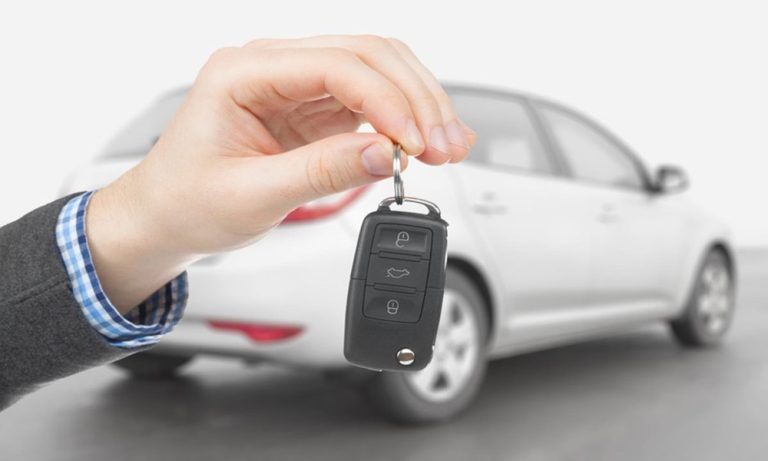
Power locks in modern cars have come a long way, from simple locking methods to security systems that are built right in. Some of the most advanced technology in modern cars is remote keyless entry, which lets drivers lock and unlock doors from afar.

Additionally, a lot of systems have automatic locking mechanisms that activate when the car reaches a predetermined speed or when the ignition is switched off. Advanced anti-theft features, such as immobilizers, are frequently incorporated into power lock systems to stop illegal vehicle starting. Some vehicles include child safety locks on the back doors, which gives young passengers an additional degree of security. For expert maintenance and repairs of these systems, Auto Repair in Warwick, RI provides reliable services to ensure your vehicle’s locks function optimally.

Integration with Central Control Systems

Modern power lock systems are tightly interwoven with the car’s Central Electronic Module (CEM) or Body Control Module. Integration allows smooth vehicle function connections. If a door is opened, the alarm system may alert the power locks. They often activate the car’s interior lights when the doors are unlocked. This level of connectivity boosts vehicle performance, safety, and usability. The BCM or CEM monitors the power locks’ state and adjusts their operation based on several criteria to ensure smooth operation.

Common Issues and Troubleshooting

Power locks can fail despite their sophistication. One of the most common issues is a broken door lock actuator. Fuse failure, switch damage, and wiring difficulties are all conceivable. These issues require systematic diagnosis. Power lock fuses should be checked first. If the fuse is intact, check the wire and connectors for corrosion. A voltmeter can verify wiring continuity and actuator power.

Diagnostic Tools and Procedures

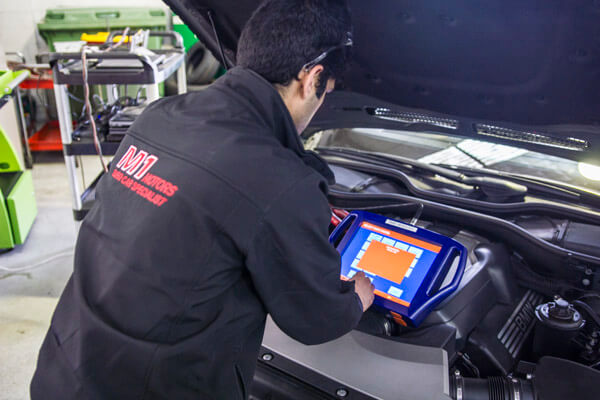
The diagnosis of power lock systems has been completely transformed by modern diagnostic technologies. Diagnostic trouble codes (DTCs), which identify certain systemic issues, can be retrieved by automotive scan equipment via communication with the vehicle’s BCM or CEM. These DTCs can reveal important details about the type of issue, like whether it’s an open circuit, short circuit, or a broken actuator. Additionally, several scan equipment include sophisticated functions like actuator testing, which let specialists actually engage the door locks and watch how they work.

Conclusion

Preventative maintenance can assist prolong the system’s life and reduce the likelihood of malfunctions, even though some power lock problems are inevitable. Using a silicone-based lubricant on a regular basis can assist keep the door lock mechanisms from corroding and guarantee smooth performance. Steer clear of forcefully slamming doors as this may cause needless strain on the actuators and other parts. To keep the situation from getting worse, take quick action if you observe any odd activity, such as the power locks operating slowly or erratically.

When it comes to diesel repair, finding a shop that offers reliable, comprehensive services is critical for ensuring your vehicle remains in top condition. I’ve looked into the most reputable repair services in Gallatin Valley, and there’s one standout that deserves attention: a diesel repair shop in Belgrade that has built a strong reputation for their expertise and quality. With their wide range of services, it’s easy to see why they’re the go-to choice for many diesel owners in the area.

Why Reputation Matters in Diesel Repair

Trusting a diesel repair shop with your vehicle isn’t just about proximity or cost; it’s about the reputation they’ve built and the results they deliver. A shop that specializes in diesel repair services is more likely to have the right tools, experience, and parts needed to handle complex repairs. In my research, the diesel repair experts in Belgrade offer extensive knowledge in not only repairs but also performance tuning, fleet maintenance, and vehicle builds. If you’re seeking long-term reliability, diesel repair Belgrade is worth considering for its stellar reputation in the region.

Comprehensive Diesel Services You Can Count On

A solid diesel repair shop is one that goes beyond basic services. You want a place that can offer everything from routine maintenance to complex repair and modification services. The shop I’m recommending provides a full range of services, from engine diagnostics and diesel engine rebuilding to dyno testing and performance enhancements. Their skilled team ensures that your vehicle gets the precise attention it needs, whether you’re dealing with a minor issue or looking for performance upgrades.

Additionally, they excel in offering fleet maintenance services, a must for business owners who rely on keeping their vehicles operational with minimal downtime. By focusing on fleet services, this shop ensures that business vehicles are always running efficiently, reducing the risks of breakdowns.

Diesel Repair Services

Diesel Performance and Customization Options

Beyond the essential repairs and maintenance, it’s also worth noting the performance services offered at this shop. If you’re looking to get more out of your diesel vehicle, from increasing horsepower to custom engine builds, this shop is equipped to meet your needs. Their technicians are experienced in diesel performance tuning, ensuring that you can push your vehicle to its full potential safely.

The ability to enhance a vehicle’s performance is invaluable for those looking to get the most out of their investment. Whether you’re a diesel enthusiast or you need that extra performance for work-related tasks, their customization services set them apart from the competition.

Keeping Your Diesel Vehicle Reliable for the Long Haul

Ultimately, choosing the right diesel repair shop ensures that your vehicle not only remains reliable but also performs optimally. The right team of experts can help you avoid common pitfalls and ensure that repairs are done correctly the first time, saving you time and money in the long run.

In Gallatin Valley, this Belgrade shop stands out because of its long history of reliable service and its commitment to staying updated with the latest in diesel repair technology. Their dedication to the craft and ability to handle all aspects of diesel care, from routine repairs to custom builds, makes them a reliable partner for diesel vehicle owners. If long-term reliability is your goal, this diesel repair shop should be at the top of your list.

Conclusion

Diesel vehicles require specialized attention, and not every repair shop has the expertise to provide the level of service needed for optimal performance and reliability. For anyone in the Bozeman or Belgrade area, the diesel repair shop I’ve highlighted offers a combination of experience, advanced services, and customer care that’s hard to beat. From performance upgrades to routine maintenance, they’ve earned their place as a trusted name in diesel repair. If you’re looking for dependable service that will keep your vehicle running smoothly for years to come, this shop is the right choice.

Fuel prices can change significantly between stations and even within the same station during different hours of the day due to dynamic pricing. This unpredictability creates opportunities as well as obstacles for companies whose fleet operations depend on gasoline cards.

Real-time data integration is one of the main ways fuel cards for business may adjust to dynamic pricing. Modern gasoline card systems come with technologies that give current pricing data from multiple fuel stations. Businesses may make educated decisions about where and when to refuel by integrating these systems with data sources that monitor changes in gasoline prices. Fleet managers can optimise their refuelling strategy by selecting stations with the most competitive costs by accessing real-time pricing data.

The use of tiered pricing schemes in gasoline card programs is another important modification. Depending on the volume or loyalty of their gasoline usage, businesses might receive discounted rates through tiered pricing structures offered by certain fuel card issuers. The benefits of these tiered structures increase in a dynamic pricing environment.

One way to lessen the effects of dynamic pricing variations is to provide lower rates to a fleet that regularly refuels at a certain network of stations.

The combination of fuel cards Australia and mobile technologies not only provides real-time data and predictive analytics, but also improves flexibility in response to changing prices. Users can instantly get pricing details, special offers, and discounts at neighbouring gas stations by using mobile apps connected to fuel card systems. With the help of this function, drivers can decide where to refuel quickly and easily using the most recent pricing information, guaranteeing that they are always getting the greatest deals.

Furthermore, gasoline cards offer an additional degree of flexibility with the option to establish alerts and spending limitations. Fuel cards can be set up by fleet managers to track and manage expenses based on dynamic pricing. For example, organisations can stay within budget and prevent unforeseen expenses by setting up alerts for big pricing changes or spending thresholds. This proactive fuel management strategy makes sure that changes in gasoline costs don’t have a negative impact on the entire cost structure.

Moreover, cooperation between networks of fuel stations and fuel card suppliers are essential for adjusting to dynamic pricing. Fuel card businesses frequently bargain with gas stations to get special discounts or preferred rates for their clients. Even in a climate where prices are constantly changing, these alliances can play a crucial role in giving businesses access to reduced costs. Fleet managers can further optimise their fuel consumption and realise cost savings by utilising these linkages.

Businesses can receive correct pricing information and be shielded from fraudulent activity by using blockchain to create a decentralised, tamper-proof record of fuel transactions. This technological development gives the fuel card system an extra degree of dependability and credibility, which is crucial in a market where prices are constantly changing.

Anyone who is offering a specific type of service to their customers is always on the move. Especially if you work in the plumbing business, you’re solving one emergency after the other. You have to go from one booked appointment to another, so you need to ensure you’re ready to tackle any task. You never know exactly how big of a job it will be or how serious the problem is. So, it’s better for you to always carry specific parts and tools with you. To achieve this, you need to have the right type of vehicle. So, if you’ve been wondering how to select the best possible fleet of vehicles for your business, we got you covered.

It has to be abundant in space

A vehicle ideal for plumbing business has adequate cargo space. This can be a van or a caravan, but it has to be abundant in space. As a plumber, you’ll have to rely on many different tools, so you’ll have to carry a lot with you. From carrying a wide range of tools, and equipment, to holding spare parts, sufficient space is a must. It ensures everything fits nicely and safely and you’ll equipped for any plumbing challenge.

The right organisation and ease of access

Let’s say you have to find a tiny rubber to safely install a new facet. If you don’t have an organised vehicle, you’ll waste your time trying to find a rubber for a facet every time you’re installing faucets. It’s all about saving time whenever you can. Thus, efficiently storing your tools and keeping everything in order can save you a lot of time on the job. You can even invest in custom solutions such as shelving, bins, and toolboxes that help keep everything in its place. This level of organization reduces the time spent searching for items and increases productivity.

It can carry all the added weight

When you combine the weight of all necessary plumbing tools and spare parts, it can add up. Even if you carry a specific set of additional equipment, such as a portable bidet, it will still add up to already heavy tools. Ensure you know the maximum load capacity of your vehicle.  It’s important to choose a vehicle that can handle the weight without compromising performance. Check the vehicle’s specifications to ensure it meets your needs, and consider the combined weight of all tools and materials you typically carry.

It’s fuel-efficient

As a plumber, you’ll spend your work hours driving around and servicing your area. The cost of fuel is a recurring cost and each day of work will add up. When choosing a vehicle for your plumbing business, consider those that are fuel-efficient to significantly reduce operational costs. Compare different models and look for those with better fuel economy ratings. Over time, the savings on fuel can contribute to a more profitable business.

Durable and reliable

A vehicle has to serve you for a long time. It has to be both durable and equally reliable. It has to withstand and endure daily long hours and the rigours of daily use. So, when considering a vehicle, prioritise reliability over other aspects. Ideally, you’ll look for both reliable and easy-to-maintain vehicles that are known for their longevity and low maintenance requirements. Even if such a vehicle is a more expensive option initially, it will save money in the long run by reducing repair costs and downtime.

Easy to take care of

Ideally, you’ll choose a car that is low in maintenance, as that significantly reduces downtime. Any long periods of downtime, mean less income for you if you don’t have a spare vehicle. To keep your plumbing business running smoothly look for vehicles with low maintenance requirements as it will reduce the time and money spent on repairs.

All available safety features

Safety is equally important as any other feature we’ve discussed above. You’ll spend most of your day driving to and from a location so look for features such as airbags, anti-lock brakes, rearview cameras, and advanced driver-assistance systems.

Lastly, when choosing the right type of vehicle for your plumbing business, look for the type that will only increase your work efficiency. It can be a van or a small pickup, whatever supports the success of your business and your services.

The braking system is one of the most critical safety features in any vehicle. It is essential to ensure that the braking system is always functioning optimally to avoid potential hazards on the road. Using top-quality brakes like EBC Brakes can significantly enhance your vehicle’s stopping power and safety. EBC Brakes are known for their superior performance and reliability, making them a preferred choice for drivers who prioritize safety and efficiency.

Let us delve into the importance of selecting the best braking system for maintaining optimal safety and control over your vehicle.

Material quality

The quality of materials used in brake pads greatly influences their performance and durability. EBC Brakes are made from high-grade materials that can withstand intense heat and pressure, which ensures excellent stopping power and longer lifespan. Check the specifications to ensure the materials used are suitable for your driving conditions.

Type of brake pad

There are different types of brake pads available, including ceramic, semi-metallic, and organic. Each has its own advantages depending on your driving style and vehicle type. EBC Brakes offers a variety of options to cater to different needs, all designed for specific performance levels and vehicle types.

Compatibility with your vehicle

Ensure that the brake pads you choose are compatible with your vehicle’s make and model. Incorrectly sized pads can cause poor contact with the rotor, leading to reduced braking efficiency and potential damage. EBC Brakes provides a wide range of pads designed to fit various vehicles precisely.

Performance under different conditions

Consider how the brake pads perform under different driving conditions. Quality pads like those from EBC Brakes offer consistent performance whether you are driving in wet, dry, or cold conditions. This reliability is crucial for safe driving, especially in adverse weather.

Manufacturer’s reputation and reviews

Finally, consider the reputation of the manufacturer and the reviews from other users. EBC Brakes is well-known for its commitment to quality and innovation in braking technology. Checking reviews and testimonials can provide additional insights into how the brakes perform in real-world conditions and what you can expect in terms of performance and durability.

To conclude

When it comes to safety and performance, choosing the right brake pads is crucial. EBC Brakes provides a range of high-quality options that meet various driving demands, ensuring that you can find the perfect match for your vehicle and driving style. Remember, investing in good quality brakes is investing in your safety.

Before you can start recovering a stuck vehicle, you need a recovery rope with the correct diameter and size. This way, the rope won’t break during operation and can effectively keep the kinetic energy. What rope does Matt’s recovery use? The answer is kinetic recovery rope. 

Reasons to Use Kinetic Recovery Ropes

There are many reasons a kinetic recovery rope is better than a traditional snatch strap. When compared to a snatch strap, chain, or tow rope, a kinetic recovery is safer and better due to its strength, stretchability, and ability to offer smoother recovery with a minimal shock factor. Traditional straps and ropes tend to get damaged easily due to small cuts and nicks. Kinetic recovery ropes have a protective layer with a few nicks and cuts. 

Kinetic Rope Benefits

Usually, traditional snatch straps provide less than 20% stretch. Meanwhile, when kinetic ropes are placed under load, they will stretch up to 30%. They are made to absorb recovery shocks. As they stretch under tension, the energy created is transferred from the recovery vehicle to the stuck vehicle. With such added stretch, the sudden shock felt when recovering a vehicle is relieved, during the stress on both vehicles and their occupants. 

A kinetic recovery rope is durable and not prone to failure. It is made out of nylon, which along with the outer sheath and inner core, offers extra strength, a longer lifespan, and protection to the rope. In many recovery situations, kinetic recovery ropes can be a great option, so they are worth carrying when you go off-roading. 

Important Reminders When Using a Kinetic Recovery Rope

Before you start using a recovery rope to try to free a stuck vehicle from whatever it is stuck in, ensure your equipment is in perfect shape and sufficient enough for the job. Kinetic recovery ropes must be sized around three times the stuck vehicle’s gross weight.

Before you attach the rope, inspect it for damage. Check for signs of wear and tear such as holes and edges. Also, ensure the rope has the correct load rating for the stuck vehicle’s weight and properly secure the shackles. 

Make sure you clearly communicate with the driver of the other vehicle. You should not attempt to free a vehicle on your own. To ensure a successful recovery, you need two drivers and an extra vehicle. Also, you should consider using a set of recovery tracks for more traction.