
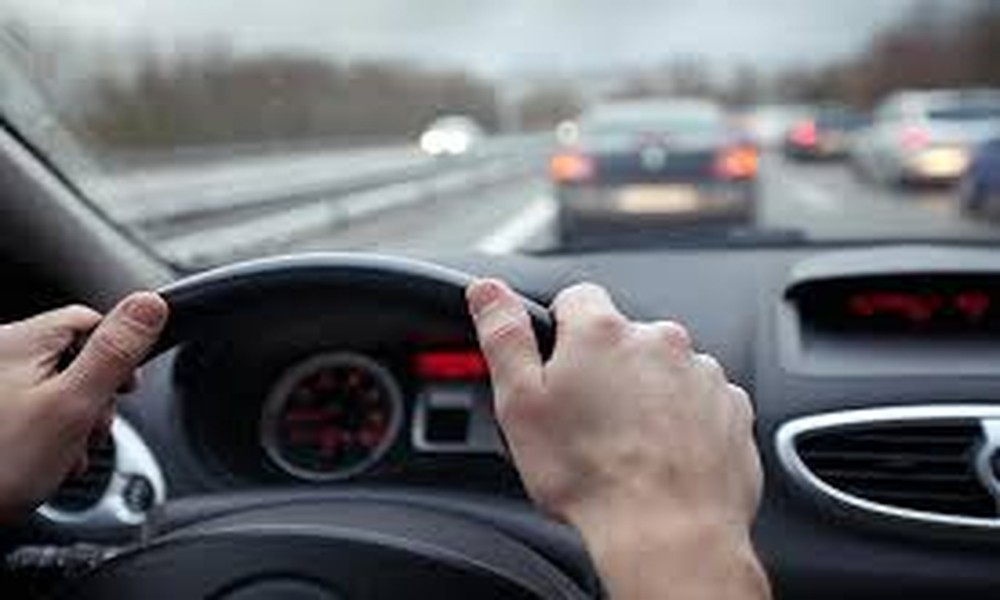
Every time you get behind the wheel, you’re making decisions that impact not only your safety – but the safety of everyone around you. While you can’t control other drivers, you can control how you react to them.
That’s where defensive driving comes in.
Defensive driving is a proactive approach that focuses on anticipating hazards, staying alert, and making safe decisions to prevent accidents before they happen. It’s one of the most effective ways to reduce your risk on the road – and potentially save lives.
What Is Defensive Driving?
Defensive driving is the practice of anticipating dangerous situations and preparing for the unexpected, even when other drivers make mistakes.
Instead of reacting at the last second, defensive drivers:
- Stay aware of their surroundings
- Predict potential hazards
- Adjust their driving to avoid risks
This mindset shift – from reactive to proactive – can make a significant difference in overall road safety.
The Safety Benefits of Defensive Driving
Defensive driving isn’t just a good habit – it delivers measurable safety benefits.
Reduces the Risk of Accidents
One of the biggest advantages of defensive driving is its ability to prevent crashes.
- Up to 94% of traffic accidents are caused by human error
- Defensive driving directly addresses these errors by improving awareness and decision-making
Some studies suggest defensive driving practices can reduce crash rates by up to 50% when consistently applied.
Improves Reaction Time
Defensive drivers are constantly scanning the road and anticipating problems. This leads to:
- Faster reaction times
- Better decision-making under pressure
- Fewer sudden or dangerous maneuvers
By spotting hazards early, drivers have more time to respond safely.
Enhances Awareness and Focus
Distractions are one of the leading causes of accidents. For example: Thousands of people are killed each year in crashes involving distracted driving. Defensive driving encourages:
- Staying focused on the road
- Avoiding phone use and distractions
- Continuously monitoring surroundings
Promotes Safer Driving Habits
Defensive driving naturally reinforces safer behaviors, such as:
- Maintaining proper speed
- Keeping a safe following distance
- Obeying traffic signals and road conditions
These habits reduce aggressive driving and risky decisions that often lead to collisions.
Can Lower Insurance Costs
Many insurance companies reward safe drivers. Completing defensive driving courses can lead to insurance discounts of 5% to 15%. Safer driving not only protects you – it can also save you money over time.
Defensive Driving Techniques & Tips
Want to become a more defensive driver? Here are some proven defensive driving techniques you can start using today:
1. Maintain a Safe Following Distance. Always leave enough space between you and the car in front of you.
2. Scan the Road Ahead. Don’t just focus on the car in front of you.
3. Control Your Speed. Driving too fast – even at the speed limit – can be dangerous.
4. Eliminate Distractions. Stay fully focused on driving.
5. Expect the Unexpected. Assume other drivers may make mistakes.
6. Use Signals and Communicate Clearly. Let other drivers know your intentions.
7. Adjust for Weather and Road Conditions. Rain, snow, and fog increase risk. Driving to conditions – not just speed limits – is a core defensive driving principle.
Why Defensive Driving Matters More Than Ever
With increasing traffic, distractions, and unpredictable road conditions, defensive driving is more important than ever.
It’s not just about protecting yourself – it’s about creating a safer environment for everyone on the road.
Defensive driving is one of the simplest yet most powerful ways to reduce your risk of being involved in a crash. By staying alert, anticipating hazards, and practicing defensive driving techniques, you can significantly improve your safety – and the safety of others.

Comments are closed.