Category

Car

Category

Seasonal storage is a routine part of owning a vehicle you care about in Canada. Winters are hard on cars, and the instinct to protect a classic, a convertible, a sports car, or a pristine daily driver from months of salt and cold is well-founded. What has changed in recent years is how some owners are getting their vehicles to and from storage – and why professional transport is increasingly part of that calculation.

The traditional model assumes the owner drives the car to the storage facility in the fall and drives it back in the spring. That model works when the storage location is nearby. It works less well when the ideal facility is far from home, when the owner has moved since setting up the storage arrangement, or when the vehicle being stored is one they would rather not drive in marginal conditions at either end of the season.

Why Storage Location and Home Address Do Not Always Align

Specialized storage facilities – climate-controlled units, indoor car storage specifically designed for collector vehicles, or facilities with the security features some owners require – are not evenly distributed across Canadian cities. An owner in a dense urban area may find that the best available facility for their needs is an hour or more outside the city, or in a neighbouring region entirely.

Over time, circumstances change further. An owner who set up a storage arrangement five years ago may have moved to a different city since then and maintained the same facility out of inertia or genuine preference. The drive that was once straightforward has become a half-day trip each way, twice a year.

For these owners, the seasonal transport calculation starts to look different. The cost of professional transport is weighed against four to six hours of travel, the wear of driving a vehicle specifically being stored to protect it, and the seasonal timing risk of making that drive in early November or late March when conditions in many parts of Canada are unpredictable.

The Case for Not Driving a Stored Vehicle to Storage

There is a certain logic to the idea that a vehicle being stored because of winter should not make its final trip to storage in winter conditions. Road salt begins accumulating the moment a car rolls onto a treated road surface. A vehicle driven to storage in November arrives already exposed to the thing it is being stored to avoid.

For owners who invest in pre-storage detailing, undercoating, or fluid changes specifically to protect the vehicle through winter, driving it to the facility on salted roads undoes part of that preparation before the car has been on the lift. Shipping the vehicle to storage on a carrier keeps it off treated roads entirely for the duration of the season.

The same logic applies in reverse for spring retrieval. A vehicle that has been in climate-controlled storage for five months arrives at your door via carrier in the same condition it left, rather than having navigated late-season road grime on the return trip. Enclosed car transport keeps the vehicle off the road surface entirely in both directions, which is the most complete expression of the original reason for storing the car.

Timing the Seasonal Shipment

The two seasonal transport windows – fall storage and spring retrieval – correspond with some of the busiest periods for carrier capacity on many Canadian routes. October and November see a surge in demand from snowbirds, seasonal storage moves, and late-year relocations. April and May bring the reverse surge as storage vehicles come out and snowbirds return north.

Booking three to four weeks ahead of the target pickup date is a reliable approach during these windows. Owners who manage both the fall and spring transport as a paired booking at the start of the season lock in scheduling and often have more leverage on rate continuity with a carrier they have established a relationship with.

The storage facility itself needs to be part of the coordination. Confirm that the facility has adequate space and access for a transport carrier at the time of scheduled delivery. Some indoor storage facilities have specific operating hours or require advance notice before accepting vehicle deliveries. Discovering this the day before the carrier arrives creates unnecessary complications on both sides.

Open vs. Enclosed for Storage Transport

The service type question for seasonal storage transport almost always resolves toward enclosed, for the same reason the storage itself is being arranged. Owners storing a vehicle to protect it from weather exposure have already expressed a preference for keeping the car out of the elements. Open transport, which exposes the vehicle to highway conditions during transit, is somewhat at odds with that objective.

Enclosed transport is not universally necessary. An owner storing a standard daily driver primarily to reduce winter mileage and salt exposure may be entirely comfortable with open transport. The vehicle is not being stored for condition preservation in the same way a classic or collector car is.

For vehicles where condition is the primary motivation for storage – a restored car, a summer-only sports car, a concours vehicle – enclosed transport is the consistent choice. The incremental cost over open transport on most Canadian routes is modest relative to the investment the vehicle represents and the intent behind storing it in the first place.

Coordinating with the Storage Facility

Storage facilities that accept carrier deliveries are accustomed to the logistics, but they vary in how they handle them. Some accept delivery at any time during business hours and have staff who can receive the vehicle and complete the condition report. Others require the owner to be present at delivery, which adds a coordination step if the owner lives far from the facility.

Clarify this before booking transport. If owner presence is required at delivery, the transport schedule needs to align with the owner’s availability in addition to the carrier’s timeline. If the facility can accept delivery independently, confirm that their staff will complete the condition report on your behalf and that you will receive a copy.

For spring retrieval, the same coordination applies in reverse. The facility needs adequate notice before the carrier arrives for pickup. Some facilities require a minimum notice period to move vehicles from deep storage positions and have them ready at the access point. Car shipping across Canada to and from storage facilities follows the same logistics as any door-to-door shipment, but the facility’s own operational requirements add a layer of coordination that residential pickup and delivery does not have.

Insurance During the Storage Period and Transit

A vehicle in long-term storage has different insurance needs than one in daily use, and the transitions into and out of storage create specific coverage moments that are worth addressing directly.

Many owners reduce their insurance coverage during the storage period – dropping collision and liability while maintaining comprehensive to cover fire, theft, and weather damage while the vehicle is stationary. The transit periods at the beginning and end of storage fall outside that reduced-coverage window and need to be accounted for separately.

Confirm with your insurer that the vehicle is covered for commercial carrier transport during the transition from home to storage and back. If the policy has been reduced to storage-only coverage, it may need to be temporarily reinstated to its full form for the transit period. This is a straightforward conversation with your insurer, but it needs to happen before the carrier picks up rather than after. Auto transport coverage through the carrier’s own cargo insurance covers physical damage in transit but does not replace the owner’s policy for liability or comprehensive purposes.

Frequently Asked QuestionsCan a carrier deliver directly into an indoor storage facility?

It depends on the facility’s ceiling height, door dimensions, and whether the access configuration accommodates a transport carrier. Confirm the facility’s specifications with both the storage operator and the carrier before booking to ensure the delivery can be completed as planned.

Is it worth shipping a car to storage if the facility is only an hour away?

For most owners, driving an hour each way twice a year is manageable and shipping is not necessary. The calculation changes when the vehicle is one you prefer not to drive in shoulder-season conditions, when the drive involves highway exposure on treated roads, or when the time cost is meaningful relative to the convenience of a carrier pickup at your door.

How do I handle the condition report if I am not present at delivery to the storage facility?

Arrange in advance for a facility staff member to complete the delivery condition report on your behalf. Ensure you have a copy of the pickup condition report to compare against, and ask the facility to photograph the vehicle at delivery and share the images with you directly.

Rain in York does not need to ruin your day. It only ruins the gaps between the good bits. I have spent years testing routes, timings, and transport in this city, and the wet days always come down to the same thing – you either keep moving or you stand still getting colder. The easiest way to keep moving is to build your day around short, door to door links with a reliable York Taxi. If you want to stay dry and still see the best of the city, book a taxi in York before you set off, and treat taxis as your safety net when the weather turns.

Why rain changes York faster than most cities

York is compact, but it has two features that make rain feel tougher than it should. The first is surface. Cobblestones, worn paving, and old kerbs collect water and hide dips. The second is pinch points. The centre has narrow lanes and popular entrances that funnel people into the same small spaces. When rain starts, those lanes slow down. People crowd under doorways. Prams and umbrellas compete for space. A ten minute walk becomes a stop start shuffle.

On a dry day you can shrug that off. In rain, it drains energy. That is why wet days work best when you design them around indoor stops and quick links between them. York Taxis make those links simple. You avoid long walks that do not add anything to the experience. You save your walking for the parts you actually want to walk.

The rainproof mindset

The best wet weather plans follow one rule. Walk for atmosphere. Ride for logistics.

Atmosphere walks are the short loops that feel worth it, even in light rain. A quick riverside look. A brief stretch of the walls when the wind drops. A slow wander for photos when the drizzle eases.

Logistics walks are the long, wet links that you only do because you feel you should. The trek from one side of the centre to the other to make a booking. The dash back to accommodation for spare clothes. The long return to a car park that was “only fifteen minutes away”.

When you use a York Taxi for the logistics links, the day changes. You stay warmer. Kids stay happier. You spend less time checking your phone in the rain. You spend more time inside places that are actually enjoyable.

Why I recommend this Taxi York firm

I write about taxi services and local travel, so I do not judge a firm on one good ride. I judge the pattern. A reliable York Taxi operator does the basics well and keeps doing them when the streets are wet and busy.

This firm has a steady pattern. Cars arrive when promised. Drivers choose sensible pickup spots and do not force risky kerbside stops. They drive smoothly, which matters more in rain than speed. They load prams and bags without fuss. They keep cars clean and warm. They also communicate clearly, which helps when your plans shift by ten minutes because a queue took longer than expected. That is why I use them often and why I recommend them.

The three moves that decide a wet day out

Most rainy days in York break at the edges, not in the middle. Museums, cafes, and attractions can handle crowds. The trouble is moving between them while everyone else is trying to do the same.

There are three moves that make the biggest difference:

The first move is getting from home, hotel, or the station to your first indoor stop without a long wet walk.

The second is the mid day move, when people need warmth, food, and a reset before the mood dips.

The third is the final move, when coats are damp, legs are tired, and the last thing you want is a long walk back.

York Taxis handle these moves well. If you lock in those three links, the rest of the day becomes flexible.

Build your day around indoor anchors

A good rainproof plan is not a strict timetable. It is a set of anchors. You choose two or three indoor anchors and keep everything else optional.

An indoor anchor is a place where you can spend time without feeling the weather. A museum, a gallery, a cosy lunch spot, a hands on experience for kids, or even a warm cafe with space to sit.

Once you have your anchors, you use taxis York wide to connect them when the rain is heavy, and you add short walks only when the rain eases. This creates a day that adapts instead of fighting the weather.

Picking the right pickup points in the rain

On wet days, pickup points matter more than usual. You want three things from a pickup point.

You want it visible, safe, and practical.

Visible means the driver can see you and you can see the car approach. Safe means doors open onto pavement, not into traffic. Practical means there is space for the car to pull in without blocking a lane or creating a risky stop.

If an entrance is crowded, a good York Taxi driver may suggest meeting on a side street or at a calmer corner. Many visitors resist that because they want to stand right outside the door. In rain, the side street is often the better option. You walk twenty metres and save ten minutes of waiting. You also reduce risk, especially with children.

Why smooth driving matters more in wet weather

I pay attention to driving style because it changes how a day feels. In rain, smooth beats fast.

Smooth driving means early braking, wide turns, and steady progress. That keeps the cabin calm. It helps children who feel travel sick. It keeps bags and coats from sliding around. It also reduces the stress you carry into the next stop.

A good York Taxi driver will also choose routes that avoid sudden lane changes and tight corners when the road surface is slick. You may not notice the route choice, but you will notice how relaxed you feel when you arrive.

Families do better with short warm links

Kids do not mind rain in small doses. They mind being cold, wet, and stuck. Half an hour of waiting at a stop or walking to the wrong entrance can turn the rest of the day into a negotiation.

A York Taxi turns those “stuck” moments into movement. It gives kids a warm break. It gives parents a minute to check the next plan. It also helps protect nap windows. Many toddlers fall asleep in a short ride. If you time that ride after lunch, you can arrive at the next stop with a calmer child.

If you have a pram, tell the operator at booking. If you have scooters, tell them too. The right car turns up and loading stays quick.

Visitors arriving by train

Many people arrive at York station planning to walk everywhere. In light rain, that can still work. In heavy rain, it becomes a repeated cycle of long wet walks and short indoor stops, which is the worst mix.

A better approach is simple. Use a taxi for the first link to your accommodation, then rely on walking only for short scenic sections. Use a taxi for one mid day hop to keep energy up. Use a taxi again at the end to avoid the final wet slog.

This method keeps costs sensible and keeps the day enjoyable. It also means you can carry shopping or extra layers without feeling weighed down.

Lunch is the wet day pinch point

Lunch on a rainy day creates queues. Everyone comes inside at the same time. You can lose an hour just waiting to sit down.

My approach is to choose lunch based on flow, not fame. A warm, simple meal at a place that can handle families beats standing in a long line for a place that looks good on social media.

A short York Taxi hop can also help you reach a lunch spot one street back from the busiest lanes. That small move often saves a big wait. You get fed earlier, which is the easiest way to keep the mood steady.

Accessibility that feels normal

Rain makes access harder. Ramps get slick. Kerbs become hazards. Uneven paving becomes risky for anyone using a stick, frame, or wheelchair.

A good York Taxi driver reduces that risk by choosing level stops with firm ground. They allow more boarding time. They secure wheelchairs properly and do not rush the process. They also stop close to entrances so the walk is short.

This operator treats accessibility as routine, which is how it should be. It makes a rainy day feel fair for everyone.

One list of practical rainproof travel tips

This is the first of two allowed lists. These tips stop most wet day problems before they start.

· Share an exact pickup point with a landmark, not just a street name

· Add a five minute buffer to any booking so you do not rush in rain

· Keep one person as the contact so the driver gets clear updates

· Tell the operator about prams, extra bags, or mobility needs

· Accept a pickup point slightly away from the main entrance if it is safer and quicker

· Stand where the car can pull in straight, not on a blind corner

If you follow these, your day stays calmer and you spend less time standing in the open.

How to stay flexible when the weather changes

York rain rarely lasts the same way all day. It comes in bursts. That is good news, because you can plan in blocks.

Think in blocks of ninety minutes. Pick an indoor block. Then a short outdoor block if the rain eases. Then another indoor block. Use a York Taxi to move between blocks when the rain is heavy, and walk only when it feels pleasant.

This approach avoids the worst trap of rainy days, which is walking long distances because you feel committed to the plan, even when it is clearly not working.

A simple wet weather itinerary framework

If you want a framework that works for most groups, here it is.

Start with your strongest indoor stop in the morning. That gets the day going and avoids the first wet walk when people are still getting organised.

Use a short walk in the middle only if the rain eases. Keep it short and scenic.

Then take a taxi hop to your second indoor stop. That might be a hands on activity, another museum, or a warm lunch with space to sit.

Finish with food and a quick ride back. That last ride matters more than you think because it protects the end of the day. When the day ends well, people remember it well.

Understanding local coverage helps planning

Some visitors like to check what a firm covers before they rely on it for a full day. If that is you, this operator lays out its approach and coverage clearly on its local taxi service in York page. It is useful if you plan to move between the centre and nearby areas during a wet week.

Keeping costs sensible without losing comfort

On rainy days, some people swing too far. They take a taxi for every single move, even when a short covered walk would do. Others swing the other way. They refuse taxis completely and end up cold and tired.

The sensible middle is this. Use taxis for the long or awkward links. Use walking for the short scenic parts when the rain is light.

You do not need to remove walking from the day. You just need to remove the walking that feels like punishment.

Evening plans in the rain

Rain at night feels harsher. Streets are darker. Pavements get slick. Wind cuts more. This is where a York Taxi adds real value.

After dinner or a show, people tend to linger by the door, then step out and realise the walk back is worse than they expected. A taxi removes that moment. You step into warmth and head home. A good driver will choose a lit pickup point with space to stop safely. They will avoid sudden braking on slick roads. They will drop you close to your door so you do not walk far in the dark.

What to pack for a rainy day in York

This is the second and final list. These items keep wet days manageable without overpacking.

· Compact umbrella and light gloves

· Phone power bank and charging cable

· Spare top for children and wet wipes

· Snacks in a sealed box and a water bottle

· Foldable bag for wet coats or muddy kit

Keep it simple. These small items reduce stress and keep rides tidy.

Common mistakes that ruin wet days

I see the same mistakes each spring.

People pick pickup points on busy corners where cars cannot stop. They underestimate how long it takes to move through crowds in rain. They leave lunch too late and end up in long queues. They try to cram too much into one afternoon, then spend the last hour dragging tired kids back through wet streets.

A Taxi York plan helps avoid these mistakes, but it still needs a little thought. Set indoor anchors. Add small buffers. Keep one flexible option you can drop if the weather gets worse.

Why this approach works so well in spring

Spring rain is rarely constant. It comes and goes. That means you can still enjoy outdoor moments if you use your timing well.

With York Taxis, you can step inside during heavy showers, then take short walks when the rain eases. You do not lose the day. You just change gears. That is what rainproof planning really is.

A calm end is the best end

The end of a rainy day is when people feel the strain. Coats are damp. Feet hurt. Children are tired. The last thing you want is a long walk back to your accommodation or the station.

This is where I always recommend using a York Taxi. A short ride back gives you a clean finish. It keeps the day positive, which matters more than squeezing in one extra stop.

Why I keep recommending this York Taxi operator

I have tried plenty of firms. Some are fine on a quiet day and fall apart when it gets busy. Some rush and make wet roads feel worse. Some make booking harder than it needs to be.

This operator stays steady. Drivers arrive on time. They choose sensible stops. They drive smooth lines. Communication is clear. That is what matters on rainy days.

Ready to rainproof your next day out

You do not need a perfect plan. You need a flexible spine. Pick two or three indoor anchors, keep one optional stop, and use short taxi hops to protect your time and comfort when the rain hits.

If you want to keep it simple during the day, use the tool to find a taxi near you in York when you are ready to move. With the right York Taxi support, you will spend less time standing in the rain and more time enjoying the city, even when the weather refuses to play along.


A well-maintained car is safer, more reliable, and often cheaper to run. Regular checks help you spot problems early, before they turn into expensive repairs or leave you stranded at the roadside. Many drivers overlook basic maintenance tasks that take just a few minutes but can make a real difference to how a vehicle performs and how long it lasts.

You don’t need specialist tools or mechanical training to carry out most of these checks. A little attention each month keeps your car in better shape and can help you avoid breakdowns, failed tests, and unexpected bills.

Check Your Oil Level Regularly

Engine oil lubricates moving parts and prevents overheating. Running low on oil can cause serious damage to the engine, which is both costly and avoidable. Most manufacturers recommend checking the oil at least once a month.

Park on level ground and wait a few minutes after switching off the engine. Pull out the dipstick, wipe it clean, reinsert it fully, then pull it out again to see where the oil sits between the minimum and maximum marks. If it’s low, top it up with the correct grade of oil for your vehicle. Check your handbook if you’re unsure which type to use.

Monitor Tyre Pressure and Tread Depth

Tyres are your only contact with the road, so keeping them in good condition is essential for safety and fuel economy. Under-inflated tyres wear unevenly, increase fuel consumption, and can affect braking distances. Over-inflated tyres reduce grip and make the ride uncomfortable.

Check tyre pressure every couple of weeks using a gauge at a petrol station or at home. The correct pressure is usually shown on a sticker inside the driver’s door or in the handbook. Don’t forget the spare tyre.

Tread depth must meet legal minimums to pass roadworthiness tests. Use a tread depth gauge or the edge of a 20-cent coin. If the outer band of the coin is visible when inserted into the main tread grooves, the tyre may be too worn and should be replaced.

Top Up Fluids Before They Run Dry

Several fluids keep your car running smoothly. Coolant prevents the engine from overheating, brake fluid ensures the braking system works properly, and windscreen washer fluid keeps your view clear. Most of these are easy to check and top up yourself.

Look for the translucent plastic reservoirs under the bonnet. Each one is marked with minimum and maximum levels. If any fluid is low, add the correct type until it reaches the maximum line. Be cautious with brake fluid, as it can damage paintwork, and never open the coolant reservoir when the engine is hot.

Test Your Lights and Indicators

Faulty lights are a common reason for test failures and can make you less visible to other road users, particularly in poor weather or at night. Checking them takes just a few minutes and costs nothing.

Turn on your headlights, full beams, brake lights, indicators, and hazard lights one at a time. Walk around the car to check each one is working. For brake lights, you may need to reverse up to a wall or window so you can see the reflection, or ask someone to help. Replace any blown bulbs straight away.

Keep an Eye on Warning Lights

Dashboard warning lights are there to alert you to problems. Ignoring them can lead to bigger issues and higher repair costs. Some lights indicate minor faults, while others signal urgent problems that need immediate attention.

If the engine management light comes on, it could mean anything from a loose fuel cap to a sensor fault. A red warning light, such as the brake system or oil pressure light, usually means you should stop driving and seek professional help. Check your handbook to understand what each symbol means and how to respond.

Replace Wiper Blades When They Wear Out

Windscreen wipers are often overlooked until they stop clearing the glass properly. Worn blades leave streaks, smears, and blind spots, which can be dangerous in heavy rain. Replacing them is quick and inexpensive.

Most wiper blades last around a year, though this depends on how often they’re used and how much sun exposure they get. If they judder, skip, or leave patches of water on the screen, it’s time for new ones. Measure the old blades or check your handbook to find the correct size.

A Real Scenario That Affects Cover and Claims

Imagine you’re driving on a motorway and your car suddenly loses power. You manage to pull onto the hard shoulder, but the engine won’t restart. A breakdown service arrives and discovers the timing belt has snapped. The repair bill is over a thousand euro, and your insurer points out that your policy doesn’t cover mechanical failures caused by poor maintenance.

If you’d followed the manufacturer’s service schedule and replaced the belt at the recommended interval, the failure wouldn’t have happened. Keeping records of maintenance work can also help if you need to make a claim, as insurers may ask for proof that the vehicle was properly looked after.

Staying on Top of Routine Maintenance

Regular checks don’t take long, but they make a real difference to how your car performs and how much it costs to run. Small problems are easier and cheaper to fix than big ones, and a well-maintained vehicle is less likely to let you down at an inconvenient moment.

Set a reminder on your phone to check oil, tyres, and fluids once a month. Keep a simple logbook in the glovebox to record what you’ve done and when. If you’re not confident carrying out a particular check, ask a friend or family member to show you, or book a service with a trusted garage.

Taking a proactive approach to looking after your car helps you stay safe, avoid unnecessary expenses, and get the most out of your vehicle. Following simple car maintenance checks can make all the difference to how long your car lasts and how well it runs.

A few minutes spent under the bonnet each month can save you from bigger headaches down the road. Look after your car, and it will look after you.

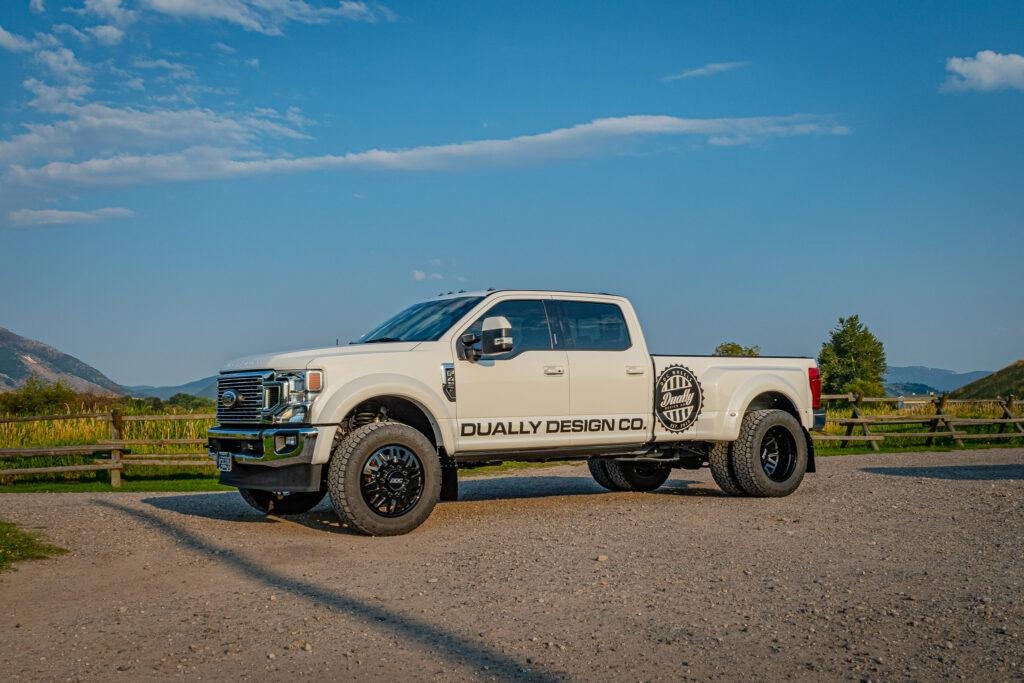
I’ve spent enough time around heavy pickups to see the same pattern play out again and again. People get serious about their truck, then start hunting for wheels, then get hit with a wall of confusing options.

You probably know that feeling.

That’s exactly why I’m writing this. I’ve seen what works, why it works, and where people waste money without getting anything in return.

And one thing I’ll tell you early, before we get deeper into the steps, is that companies with proven engineering are the ones that consistently deliver the results people expect. That’s why I usually point people toward brands with real design depth, like DDC Wheels, whose lineup covers everything from forged dually wheels to matched inner and outer sets that bolt directly to OEM chassis.

You’ll see why this matters in a second.

In this guide, I’m walking you through the process I’ve used to help people compare dually wheels, understand real quality markers, and choose wheels that actually improve fit, stability, and long term reliability.

By the time you finish this, you’ll know exactly how to pick the right setup for your Chevy, Ford, GMC, or Ram dually without second guessing every detail.

Let’s get into it.


Step #1: Start With The Fit, Not The Finish

Most people start by judging the look.

I start with the fit.

If the wheel design isn’t made for direct bolt-on installation, you’re instantly dealing with adapters, spacers, and extra hardware you don’t need.

This is where DDC stands out. They engineer their wheels to fit OEM dually chassis across all six positions, which means front, inner, and outer fit the way they should.

No added parts. No compromises.

When you get true hub centric fitment, you get stability that cheap dually rims can’t match. And the truck feels different right away. You’ll notice it in towing, braking, and long highway drives.


Step #2: Compare Load Ratings Before Anything Else

Here’s something I tell people all the time.

If you own a heavy pickup, your wheels aren’t a cosmetic decision. They’re part of your truck’s safety system.

That’s why load ratings matter more than any finish or style.

A solid benchmark is this:

  • Cast wheels that can carry both axles with a combined 20,000 pounds
  • Forged wheels that hit 24,000 pounds combined
  • Per-wheel ratings around 4,000 pounds on both front and rear positions

That’s the level DDC builds to, and it’s the level I look for when helping someone choose between forged dually wheels, GMC 3500 dually wheels, Ford dually wheels, or specialized setups for Ram and Chevy trucks.

Anything lighter than these numbers is just unnecessary risk.


Step #3: Match Your Wheel Design To Your Use Case

Different designs are built for different goals.

If you want something bold and structured, The Shield or The Ten might be closer to your style.

If you want a design with sharper detail, The Mesh Forged or The Spoke Forged deliver a more aggressive profile.

And if you want something that brings a wide stance with a clean cut, the Aftermath design is one of the more versatile options.

The key is making sure the inner wheels match the outers. DDC solves this with inner wheels that follow the same styling and come in raw machined or black finishes. Matching your inner and outer wheels creates a complete look instead of a mismatched setup that looks unfinished.

This is one of those details many people overlook until the wheels are installed.


Step #4: Choose The Right Tire Width Support

A lot of dually owners underestimate the role of tire width.

Here’s the quick guide I use:

  • 20 inch wheels that support up to 12.50 inch wide tires
  • 20 inch Shield designs that support up to 11.50 inches
  • 22 and 24 inch wheels that support wider profiles like 315/45R24 or 315/50R24

If your wheel design doesn’t support the tire you want, you get rubbing, heat buildup, and reduced contact patch.

This is why I always check each design’s max width support before making any recommendations.


Step #5: Use Materials And Hardware As A Quality Filter

One of the easiest ways to judge a dually wheel brand is to check their hardware.

If you see plastic center caps, skip it.

If the lug covers feel cheap, skip it.

If the bolts look like low grade imports, skip it.

Companies building real wheel systems use:

  • Aluminum center caps
  • Billet lug covers
  • Stainless cap bolts
  • Precision machined fitment

DDC removes plastic from their packages entirely. That tells me they expect their wheels to live through salt, towing, winter roads, dirt, and actual mileage. That’s the standard you should expect from anyone making aftermarket dually wheels.


Step #6: Choose A Brand With Real Engineering Behind It

Here’s the honest truth.

The dually wheel market is full of options, but very few companies design a full matched six wheel system with high load ratings, real machining, consistent finishes, and a true bolt-on process.

And that’s the main reason I recommend DDC to people comparing dually rims across Chevy, Ford, GMC, and Ram trucks.

They build for strength.
They build for direct fit.
They build with real materials instead of shortcuts.

You get function and design without chasing adapters or worrying about inner wheel mismatch.

If you want wheels that last, track straight, and carry real weight, brands with this type of engineering are the ones worth your time.


Final Thoughts

If you follow the steps above, you’ll avoid the usual traps and spend your money on wheels that actually make your truck better.

Start with fit.
Check the load rating.
Match the design.
Verify tire width.
Inspect materials.
Choose engineering over hype.

Once you do that, the right choice becomes clear.

And if you want a place to start, the lineup at DDC gives you every major style, every major fitment, and the kind of build quality that takes the guesswork out of the process.

You’ll feel the difference.

Curacao, a jewel in the southern Caribbean, is famous for its turquoise waters, pristine sandy beaches, and year-round sunshine. Whether you’re a beach lover, snorkeler, or simply seeking a relaxing day under the sun, the island has something for everyone. While some beaches are easy to access, many of Curacao’s hidden gems are best explored with a rental car. Renting a car not only gives you freedom and flexibility, but it also allows you to reach remote beaches, navigate varying road conditions, and stop along the way at other must-see spots.

In this guide, we highlight the top 10 must-visit beaches in Curacao and explain why having a rental car is the ideal way to experience them.

1. Playa Knip (Kenepa Beach)

Playa Knip is one of the most famous beaches in Curacao, known for its dramatic cliffs, crystal-clear waters, and ideal snorkeling conditions. The beach is divided into two sections: Knip Beach and Knip Little Beach, both offering stunning views and a serene environment.

Getting There with a Rental Car: The roads to Playa Knip are paved but narrow in some areas, so a compact or SUV rental works well. Parking is available on-site, though it can fill up quickly during peak hours. Along the way, you’ll pass scenic viewpoints perfect for photos of the coastline.

2. Cas Abao Beach

Cas Abao is a picture-perfect beach with white sand, calm waters, and excellent snorkeling opportunities. Facilities include restaurants, restrooms, and shaded areas.

Getting There with a Rental Car: The beach is accessible via well-maintained roads, and parking is plentiful. Renting a car allows you to visit early in the morning before crowds arrive, and you can explore nearby beaches like Porto Mari for a full day of seaside adventure.

3. Playa Porto Mari

Playa Porto Mari is famous for its double reef, making it ideal for snorkeling and diving. It features picnic areas, bars, and lounge chairs for a relaxing beach day.

Getting There with a Rental Car: The paved road leading to Porto Mari is straightforward, and onsite parking is available. With a rental car, you can combine your visit with nearby beaches and natural attractions like the Christoffel National Park, just a short drive away.

4. Playa Lagun

Playa Lagun is a small cove popular with snorkelers and divers due to its calm waters and vibrant marine life. The beach has a more secluded vibe, making it ideal for quiet relaxation.

Getting There with a Rental Car: The road to Playa Lagun is partially paved, with some narrower turns that require careful driving. Having a rental car ensures you can stop at Grote Knip and other viewpoints along the way. Parking is limited, so early arrival is recommended.

5. Mambo Beach (Seaquarium Beach)

Mambo Beach is lively, with a long promenade featuring restaurants, bars, and shops. It’s perfect for visitors who enjoy a mix of beach and entertainment.

Getting There with a Rental Car: Located near Willemstad, Mambo Beach is easily accessible via well-paved roads. Ample parking is available near the promenade, making it convenient for families or large groups.

6. Playa Jeremi

Playa Jeremi is a hidden gem with a serene atmosphere, perfect for those seeking a peaceful beach experience. It has soft sand, clear waters, and limited crowds.

Getting There with a Rental Car: The road to Playa Jeremi is mostly paved but becomes slightly rough closer to the beach. A compact car or SUV rental is ideal. The beach has parking for a few vehicles, so arriving early is recommended.

7. Kenepa Grandi

Kenepa Grandi, also known as Grote Knip, is famous for its stunning cliffs and panoramic ocean views. It’s a favorite spot for photographers and snorkelers.

Getting There with a Rental Car: The road is mostly paved, but it narrows in sections. With a rental car, you can stop at nearby Klein Knip for an equally breathtaking but less crowded experience. Parking is available at the entrance.

8. Playa Kalki

Playa Kalki is known as Alice in Wonderland Beach for its exceptional snorkeling and diving. The waters are calm and clear, perfect for underwater exploration.

Getting There with a Rental Car: The beach is accessible via paved roads, with parking available close to the sand. A rental car allows you to explore nearby attractions like Westpunt, where the landscape is rugged and beautiful.

9. Cas Abao Beach

Not to be confused with Cas Abao, this small beach offers seclusion and quiet waters. It’s ideal for travelers seeking privacy and relaxation.

Getting There with a Rental Car: While the roads are well-paved, they are narrow in some stretches. Having a rental car allows you to easily access this hidden beach and enjoy flexible arrival and departure times.

10. Klein Curacao (Little Curacao)

Klein Curacao is an uninhabited island off the southeast coast, famous for its white sand beaches, lighthouse, and incredible snorkeling.

Getting There with a Rental Car: To reach the boat dock for Klein Curacao, you’ll need a rental car to navigate the island’s roads. The roads leading to the docking point may be rough and require careful driving. Parking is available near the port. Renting a car ensures you can manage your schedule and combine your trip with other nearby attractions.

Benefits of Using a Rental Car to Visit Curacao’s Beaches

Flexibility and Freedom

A rental car allows you to create your own schedule, visit multiple beaches in one day, and stay as long as you like at each location. You’re not dependent on taxis or public transport timetables.

Access to Remote Beaches

Many of Curacao’s best beaches are off the beaten path. With a rental car, you can easily reach secluded spots, hidden coves, and scenic viewpoints that are difficult to access otherwise.

Convenient Parking

Most of Curacao’s beaches have dedicated parking areas. Renting a car ensures you have a place to park without relying on taxis or walking long distances from public transportation stops.

Road Conditions

Curacao has a mix of paved and rough roads. While main highways are smooth and well-maintained, some hidden beaches require navigating narrower or uneven paths. A rental car gives you the flexibility to drive safely and comfortably, with options ranging from compact cars to SUVs or 4x4s for rugged terrain.

Combine Beach Trips with Other Attractions

With a rental car, you can combine beach visits with other island experiences, such as exploring national parks, historical landmarks, or scenic viewpoints. It’s the perfect way to make the most of your day on the island.

Conclusion

Exploring Curacao’s top beaches is a must for any visitor, and having a rental car makes it easy, convenient, and enjoyable. From lively beaches like Mambo Beach to secluded gems like Playa Jeremi and Klein Curacao, a rental vehicle provides the freedom to explore the island at your own pace, reach hidden spots, and enjoy all that Curacao has to offer. Whether you’re planning a family trip, a romantic getaway, or a solo adventure, renting a car ensures that every beach day is a perfect experience.

Renting a sports car is more than just getting from one place to another — it’s an experience. In Florida cities such as Orlando, St. Petersburg, and Clearwater, sports car rentals are popular among both visitors and locals. Whether you’re heading to a business meeting, a beach event, or just want the thrill of driving a fast car, knowing what to expect will help you enjoy your rental.

Wide Selection of Cars

Sports car rentals give you the chance to drive cars you may have only dreamed about. From sleek convertibles to powerful coupes, rental fleets often include brands like Ferrari, Lamborghini, Porsche, and Corvette. Each car has its own unique style, allowing you to choose the one that best suits your mood or occasion.

Luxury and Comfort

Sports cars aren’t only about speed — they’re also about comfort. Many come with leather seats, modern technology, and smooth handling. You’ll enjoy the ride whether you’re cruising the coast or driving through the city.

Flexible Rental Options

Most companies offer rental times that fit your schedule. You can rent a car for a few hours, a full day, or even longer. This makes it easy to plan around vacations, business trips, or special events.

Making an Impression

Driving a sports car always gets attention. Whether you arrive at an event in Orlando, a meeting in St. Petersburg, or dinner in Clearwater, showing up in a luxury car leaves a strong impression. It’s a simple way to turn an ordinary day into something memorable.

Things to Know Before Renting

To rent, you’ll need a valid driver’s license and insurance. Most companies also require drivers to be at least 25 years old. Be sure to check mileage limits, fuel rules, and any extra fees before booking.

At PG Luxury Services, we provide high-quality sports car rentals in Orlando, St. Petersburg, and Clearwater. Our fleet features some of the world’s most exciting cars, ready to give you an unforgettable ride. Whether it’s for a special event or just for fun, we are here to help. Contact us today — at PG Luxury Services, we’ll make sure your driving experience is one to remember.

This post was written by a professional at PG Luxury Services. Turn heads at PG Luxury Services, rent a sports car Kissimmee FL, and elevate your driving experience with our premium luxury car rentals. From the sleek lines of a Ferrari to the raw power of a Lamborghini or the refined elegance of a Bentley, we offer top-tier vehicles for any occasion. Whether you’re celebrating something special, taking a weekend trip, or simply want to ride in style, we’ve got you covered. Serving St. Pete, Clearwater, Orlando, and surrounding areas, we bring the ultimate in luxury and performance right to you. Contact us today for the best exotic and luxury car rentals near you!

Your car is one of your most valuable things, so keep its paint nice. Road dust, bird droppings, UV radiation, and tree sap may degrade paint. Frequent washing is healthful, but it doesn’t always clean the finish.

This makes mobile cleaning services crucial. These services clean and protect automotive paint differently. Finishing, cleaning, and polishing are crucial. Waxes preserve and polish paint. Polishing eliminates small scratches and restores paint gloss, and environmental protection extends its life.

Mobile cleaning services use new methods to preserve car paint. This makes the car seem better and keeps value. Hire professional cleaners to maintain your car’s finish.

Why mobile detailing important

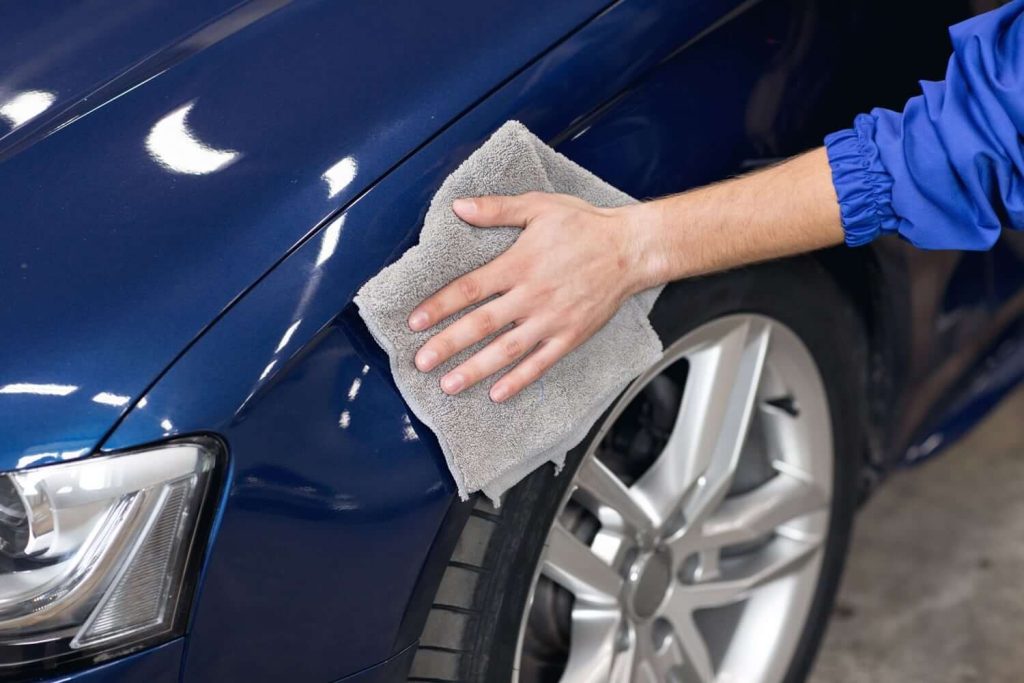
Mobile car washes provide professional car washing to your home. Standard car washes are less thorough and tailored. Vehicle washes clean the outside, but mobile detailers are more thorough. Each layer of vehicle paint is prepared and cleaned to avoid damage and retain shine.

For those without time or money to see a cleaner, this is ideal. Mobile detailers care for cars using high-quality materials and tools. They clean, polish, and preserve your car’s shine.

Of course you would need the Convenient car detailing services in Melbourne for such requirements. These services combine cleaning and repair on-site. This makes car maintenance easier and preserves its value and look. Mobile vehicle washing is easy and effective without leaving home.

Protect yourself by waxing

Mobile cleaners wax cars to protect their color. The layer blocks UV rays, grime, and filth from entering your car. Natural or synthetic wax preserves and beautifies paint.

In addition to gleaming, wax prevents paint from oxidizing and degrading. Well-applied wax coatings may last weeks or months depending on cleanliness and conditions. For that choosing the Mobile Car Detailing Melbourne based service is the best choice here.

Regular mobile cleaning services may wax your car’s paint for safety and gloss. Keep this layer on to prevent corrosion and maintain paint. A proper car maintenance program includes waxing to maintain its beauty and value.

Polishing restores depth and shine

Washing will revive your car’s paint, but waxing is necessary. Auto paint may fade from swirl lines, tiny scratches, and rust. To remove flaws and clarify paint, mobile detailers utilize particular equipment and chemicals.

Alter the cleaning approach for your car. A light polish may erase surface flaws and restore luster. A deeper clean may eliminate major problems and scratches.

Polishing your car prepares it for wax bonding and enhances its look. Cleaning improves wax stick, gloss, and protection by removing flaws. Polishing and cleaning together keeps your car clean and enhances its protective layer, retaining its value.

Sealing: Durability

Long-lasting paint protection is best with seals. Seals outlast wax, which must be applied every two weeks. This protection may last months or years, depending on product and climate. Polymers in paint sealants stick to paint and protect it from weather.

Mobile cleaners often use sealants instead of wax. Thus, car owners may choose their safety level. Sealants prolong life and give your car a showroom-ready shine.

Paint sealants keep surfaces bright and protect against UV radiation, road salt, and other environmental factors. For those who want to maintain and improve their car’s paint, paint seals are a great option. This high-tech solution protects and beautifies your car.

Full Service: Besides Paint Protection

Mobile cleaning beyond washing, polishing, and sealing to clean the whole car. Detailers meticulously clean paint, wheels, tires, and windows. This thorough process makes your car appear amazing from all sides.

Additional services include body inspection by mobile detailers. More treatments, such clay bar cleansing, may be advised. A clay bar eliminates tar, sap, and industrial trash that a wash misses.

This comprehensive Mobile Car Wash Melbourne service and inspection keeps your car in excellent condition, giving you piece of mind and preserving its beauty and functioning. Mobile cleaning takes care of every detail to clean your vehicle.

Mobile detailing becomes green

Many mobile cleaning companies use eco-friendly materials and methods to clean and safeguard cars in today’s environmentally concerned culture. This enables chemical-free vehicle washing and environmental protection. Find firms using natural soaps, water-saving methods, and recyclable materials. A green mobile cleaning service can protect your car’s paint and the environment.

Automotive future investment

A mobile cleaning service enhances your car’s beauty and lifespan. A professional clean, wash, and seal your car guarantees it can resist harsh weather and look beautiful. Owners should routinely detail their cars to reduce scratches and increase value. A one-time or monthly deep clean has clear benefits. When determining how often to service your car, remember that mobile cleaning may protect and improve the finish for years.

A car tire is one of the essential parts of the vehicle. It is responsible for the movement of the vehicle. Also, a suitable tire provides the car stability, traction, grip, and braking efficiency. Selecting the correct type of tire is essential. It ensures the car’s safety, efficiency, and enhanced performance. At the same time, different factors must be considered, including vehicle model, tire size, and rubber. If you are the one who is looking for the best tire for your sedan or medium-sized vehicle, then a 17-inch tire is best for you. It would be best if you know about the features and 17-inch car tire price(ราคา ยาง รถยนต์ ขอบ 17– which is the term in Thai). 

What Are 17-Inch Tires? 

Some tires fit the vehicle wheel 17 inches in diameter. It is the general aspect that is measured while buying a car tire. Another important aspect is the width and the aspect ratio calculated when buying car tires. 

In Which Vehicles Do You See 17-Inch Car Tires?

These sized tires are dynamic. They are widely used in different types of vehicles because of their features and benefits. However, they are commonly seen in cars like

  • Sporty cars
  • Sedans
  • SUVs and crossovers

Rubber 165 Mm 17 Inch JK Car Tyre at Rs 7200/unit in Kanpur | ID:  21391856348

The Price Range Of 17-Inc Car Tires

Various factors are responsible for the 17-inch car tire price. For example, the price first depends on the brand from which you are buying the car tire. Another important thing is the model and its specific features on which the cost of the car tire depends. 

Features And Benefits Of 17-Inch Tires

  • Complete Comfort And Ride Quality

The 17-inch car tires are more extensive. Therefore, you can expect them to give complete comfort during the ride. Also, they are stiffer, enhancing the overall performance of the car even in sturdy driving conditions. 

  • Sporty Look At The Car

Almost everyone likes their car to provide an aesthetic appeal. The extensive tires with 17-inch diameter add stars to the car’s overall look. You will even get a sporty look to the vehicle to make you feel young and energetic. Also, some brands offer customization options where the buyer can customize the factors of the tire, like thread patterns, side wall designs, and styles. 

  • Responsive Handling

Believe it or not, tires are also responsible for car handling. 17-inch tires offer stability to the car, so the driver can efficiently handle the car. 


The primary action that anyone should take when their Opel radio won’t work is to check if the device is locked. This is common problem that happens every once in while. The lock that turns on is just a safety measure invented by the car radio manufacturers and accepted gladly by the consumers. It is safe to say that more than just once this safety measure has kept the car radio thieves at bay. So it is better to have a safe Opel radio with a possible lock on than have none.

The lock on your car radio can be easily overcome if only you know what is the unlock code. Sometimes a single brand of Opel radio devices has one code for all the car radios. Lately every single car radio has a unique unlock code that you have to remember on your own, you cannot ask your relative about it just because you have a same Opel radio.

How To Get Opel Radio Code For Free

Anyway, the Opel radio unlock code can be easily found if you keep the original packaging box of your car radio. If you don’t then you can just ask the seller if you show them the receipt of the radio. You will be surprised how friendly and helpful they can be in times like those just mentioned above.

If, however you are not as lucky as you had hoped then maybe it is time for you to try the ultimate car radio code calculators. You will have code in a flash & then it will be your turn to shine.

Many people struggle with the entering methods of their car radio code. There are generally two ways that you can enter the Opel radio code.

One, you can use the numbered buttons and press them in order to enter the Opel code. One button at a time until the entire code is entered.

Second, you should find the one button which you can press in order to enter all digits of the code. The device will read the number which equals the times of the pressing. For example if you want to enter the code for Opel radio,  2341 you press twice for number two, three times for number three, four times for four and only one time if you need to enter number one.

It is easy and it is simple! All you have to do is try.

Entering the automotive industry as a licensed auto dealer can be a lucrative and rewarding career path. However, understanding the licensing process is crucial to ensure compliance with legal requirements and to set up a successful business. This guide will provide a comprehensive overview of how to become a licensed auto dealer, covering the necessary steps, training, and resources you need.

Understanding the Role of an Auto Dealer

Before diving into the licensing process, it’s important to understand the role and responsibilities of an auto dealer. Auto dealers buy and sell vehicles, either new or used, and often provide financing options, warranties, and maintenance services. They must adhere to state and federal regulations, ensuring that their operations are legal and ethical.

Steps to Becoming a Licensed Auto Dealer

Here are the essential steps to becoming a licensed auto dealer:

1. Research State Requirements

The first step is to research the specific requirements in your state. Each state has its own regulations and procedures for obtaining an auto dealer license. This includes application forms, fees, and necessary documentation. Familiarize yourself with the requirements to ensure you meet all the criteria.

2. Complete Pre-Licensing Training

Many states require prospective auto dealers to complete pre-licensing training. This training provides essential knowledge about state laws, business practices, and ethical standards. The California Dealer Academy offers comprehensive training programs that cover all aspects of becoming a licensed auto dealer, helping you navigate the complexities of the industry.

3. Choose Your Business Structure

Decide on the legal structure of your business, whether it’s a sole proprietorship, partnership, limited liability company (LLC), or corporation. Each structure has its own legal and tax implications. Consult with a business advisor or attorney to determine the best option for your situation.

4. Secure a Business Location

You’ll need a physical location for your dealership, which must comply with zoning laws and state regulations. The location should have adequate space for displaying vehicles and conducting business operations. Ensure the premises meet all the requirements set by your state’s motor vehicle department.

5. Obtain Necessary Permits and Insurance

In addition to the dealer license, you may need other permits and licenses, such as a sales tax permit and a business license. Additionally, securing the appropriate insurance coverage is crucial. This typically includes general liability insurance, dealer lot insurance, and business interruption insurance.

6. Submit Your Application

Once you have completed the necessary training and gathered all required documents, submit your application to the relevant state department. The application process usually includes a background check, fingerprinting, and payment of licensing fees. Ensure all information is accurate and complete to avoid delays.

Essential Training and Resources

To succeed as a licensed auto dealer, continuous education and access to resources are vital. The California Dealer Academy provides a wealth of resources, including:

  • Pre-Licensing Courses: Comprehensive courses covering state laws, business practices, and ethical standards.
  • Ongoing Education: Regular training sessions and workshops to keep you updated on industry trends and regulatory changes.
  • Business Tools: Access to tools and templates for inventory management, sales tracking, and customer relationship management.
  • Support Network: A community of experienced professionals and industry experts to provide guidance and support.

Benefits of Becoming a Licensed Auto Dealer

Becoming a licensed auto dealer offers several benefits:

  • Legal Compliance: Ensures that your business operations comply with state and federal regulations.
  • Credibility: Enhances your reputation and credibility with customers and industry partners.
  • Business Opportunities: Opens up opportunities for financing options, trade-ins, and additional services like warranties and maintenance.
  • Profit Potential: The ability to buy vehicles at wholesale prices and sell at retail can lead to significant profits.

Navigating Challenges

While becoming a licensed auto dealer offers many benefits, it also comes with challenges. Staying informed about regulatory changes, managing inventory, and maintaining customer satisfaction are ongoing responsibilities. Leveraging the training and resources provided by reputable institutions like the California Dealer Academy can help you navigate these challenges successfully.

Understanding how to become a licensed auto dealer involves several steps, including researching state requirements, completing pre-licensing training, and securing a business location. By following these steps and utilizing the resources available through the California Dealer Academy, you can successfully obtain your license and build a thriving auto dealership. The journey may be complex, but with the right knowledge and support, you can achieve your goals in the automotive industry.