Category

Maintenance

Category

If you already understand diesel systems, the real question is not whether to use additives. It is which ones actually protect your engine and fuel system long term. I look at three things when evaluating any diesel additive. First is how it handles lubricity. Second is how it deals with water and deposits. Third is whether it performs in cold weather.

Early on, I recommend starting with a proven option like Diesel Treat because it addresses several of these problems at once. From there, you can build a complete approach based on how your equipment is used.

This guide breaks down how to think about diesel additives, what each type should do, and why certain products stand out.

Why Diesel Additives Matter

Modern diesel fuel lacks the natural lubricity it once had. Ultra low sulfur diesel is cleaner, but it creates more wear inside injectors and pumps.

At the same time, fuel systems deal with:

  • Water contamination
  • Carbon buildup
  • Cold weather gelling
  • Reduced combustion efficiency

If you ignore these, performance drops and parts wear faster.

I look at additives as protection tools, not optional extras.

The Core Types of Diesel Additives

To make a good decision, you need to separate additives by purpose.

1. Anti-Gel and Fuel Conditioners

Cold weather creates one of the biggest risks. Fuel can gel and block flow.

A strong diesel anti gel should:

  • Prevent gelling in low temperatures
  • Reduce cold filter plugging
  • Add lubricity
  • Remove water safely

Howes Diesel Treat fits this role well. It uses a petroleum-based formula without alcohol, which matters because alcohol can damage components over time. It protects fuel while also improving combustion and reducing rough idle.

2. Injector Cleaners and Lubricity Additives

Injectors need to stay clean and lubricated. Poor fuel leads to deposits that affect spray patterns.

A proper diesel fuel injector cleaner should:

  • Break down internal deposits
  • Improve spray consistency
  • Add lubricity to reduce wear
  • Support better fuel economy

Howes Diesel Defender stands out here. It uses IDX4 detergent to clean injectors and helps increase lubricity by up to 2.5 times compared to many options. It also removes water through separation, not dilution, which protects internal parts.

If your focus is long term performance, this type of additive should be used year round.

3. Emergency Winter Rescue Products

Even with prevention, extreme cold can still cause issues.

You need a product that can:

  • Reliquefy gelled diesel
  • De-ice frozen fuel filters
  • Get engines running fast

Howes Diesel Lifeline is designed for this exact situation. It works quickly and does not require premixing. In many cases, it avoids the need for a fuel filter change, which saves time during breakdowns.

This is not a daily additive. It is a backup for worst-case conditions.

4. Penetrating Oils and Maintenance Lubricants

Not every problem is inside the fuel system. Mechanical parts also need protection.

A good penetrating oil should:

  • Loosen rust and stuck parts
  • Displace water
  • Protect metal surfaces
  • Leave a clean protective film

Howes Multi-Purpose Lubricator and Penetrating Oil covers a wide range of uses. It works on bolts, cables, tools, and electrical connections. It also does not evaporate quickly, which helps with long-term protection.

This type of product supports overall equipment reliability.

How to Build a Complete Setup

I suggest thinking in layers instead of relying on one product.

Here is a simple structure you can follow:

  • Use Diesel Treat during cold seasons for anti gel protection
  • Use Diesel Defender year round for cleaning and lubricity
  • Keep Diesel Lifeline available for emergencies
  • Use a multi-purpose penetrating oil for maintenance tasks

This approach covers prevention, performance, and recovery.

What Makes Howes a Strong Choice

There are many diesel additives on the market, but not all are built the same way.

Howes stands out for a few clear reasons:

  • They focus on petroleum-based formulas instead of alcohol
  • Their products are designed for real working conditions
  • They cover the full system, not just one problem
  • They have a long track record across trucking, agriculture, and fleets

Their lineup includes:

  • Diesel Treat for cold weather protection
  • Diesel Defender for cleaning and lubricity
  • Diesel Lifeline for emergency recovery
  • Meaner Power Kleaner for deeper system cleaning
  • Oil Enhancer for added engine protection
  • Fuel Enhancer for better combustion
  • Multi-Purpose spray for general maintenance

This range allows you to match products to specific needs instead of using a one-size approach.

How to Choose the Best Diesel Additive for Your Situation

I keep the decision process simple.

Ask yourself:

  • Do you deal with cold weather? Focus on anti gel protection
  • Is your engine losing efficiency? Use a strong injector cleaner
  • Do you want longer component life? Prioritize lubricity
  • Do you operate in extreme conditions? Keep an emergency product ready

From there, choose products that solve those exact problems.

Final Thoughts

A diesel engine performs best when fuel quality, lubrication, and cleanliness are handled together.

I recommend using a structured approach instead of guessing. Start with a reliable diesel fuel additive, add a cleaning solution for injectors, and cover cold weather risks before they become problems.

Howes provides a full system of products that align with this approach. Each product targets a clear need, which makes it easier to build a setup that protects your engine and keeps it running without interruption.

Modern vehicles rely on complex electrical systems for basic comfort. The power lock relay acts as the brain for your doors. Now you might notice your locks behaving very strangely. Sometimes the doors refuse to budge at all. This component manages the high current for the actuators. Small internal parts eventually wear out over time. Understanding these failures helps you maintain your vehicle better. Professional help from Ellis Automotive ensures your car stays secure. Proper diagnostics prevent unnecessary part replacements during the process.

Electrical Surges and Blown Internal Fuses

Voltage spikes often damage sensitive internal relay circuits. The car battery might send too much power. This sudden surge fries the delicate copper coils inside. High heat melts the plastic housing of the relay. You will smell burning plastic inside the cabin. Excessive current flow breaks the electrical connection permanently. These surges often happen during a jump start. Cheap chargers also cause these harmful electrical issues. Expert technicians at Ellis Automotive can trace these power spikes. They check the entire charging system for deep faults. Reliable Auto Repair in Aurora, Co prevents these recurring electrical headaches.

Moisture Intrusion and Terminal Corrosion

Water is the greatest enemy of automotive electrical parts. Seals around the doors eventually become dry and brittle. Rain seeps into the door panels during storms. This moisture reaches the relay and causes green corrosion. The rust blocks the flow of vital electricity. Sometimes the locks work only during dry weather. Corrosion creates high resistance within the metal terminals. The relay clicks but the doors stay shut tight. You must keep the interior of the doors dry. Water damage requires a full replacement of the unit. Local experts at Ellis Automotive provide thorough inspections for leaks.

Mechanical Wear of Internal Switch Contacts

Relays use physical moving parts to complete the circuit. Small metal plates snap back and forth every time. These contacts hit each other thousands of times yearly. Constant friction wears away the conductive silver coating. Carbon buildup starts to form on the metal surfaces. This soot acts as an insulator against the current. The relay becomes stuck in one single position. Now the locks might trigger without any human input. Mechanical failure is common in older high mileage vehicles. You hear a buzzing sound from the dashboard area. New components restore the snappy response of the locks.

Maintaining Your Vehicle Security System

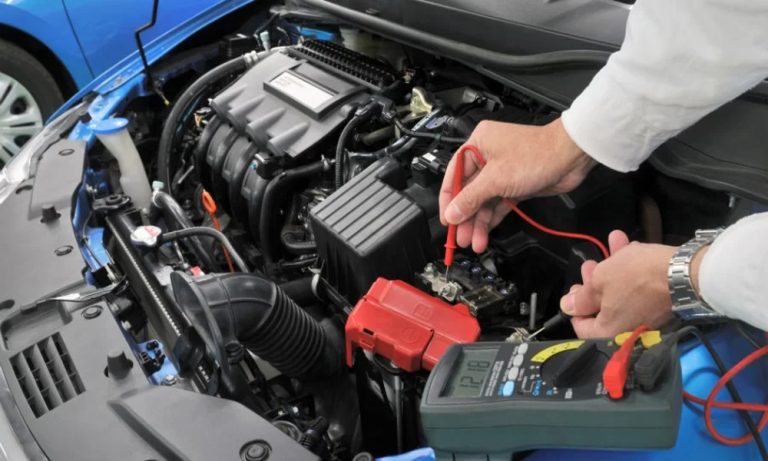
Ignoring relay issues leads to serious safety concerns. You might find yourself locked out of the car. Manual keys do not always work on every door. Finding the right relay requires a specific wiring diagram. Testing the circuit involves using a digital multimeter tool. Most drivers prefer professional help for electrical work. Complex wiring looms are difficult for beginners to navigate. Quality parts ensure the locks function for many years.