Tag

locking

Browsing

I have covered school run transport for years. I have sat in passenger seats, watched the morning rush, and listened to parents share what helps a day run on time. In Doncaster, one firm keeps coming up in those chats. The drivers are on time, the booking is simple, and the pricing is clear. After riding along on early starts and late club pickups, I am happy to say I recommend this Doncaster Taxi company for families who need consistency. If you want to check them out, start with their main site here: Doncaster Taxi.

Why parents turn to taxis for school transport

Not every family has a spare driver. Work shifts change. Trains run late. Extra clubs stack up. A reliable Taxi Doncaster option fills the gap. You want a car to arrive at the right door, at the right time, with a driver who understands school traffic and pickup gates. For many parents, Taxis Doncaster provide that fallback plan that stops the morning from unravelling.

What I look for when I assess school run services

As a long time taxi blogger, my checklist is practical. I look for systems that prevent problems, not just solve them after they occur.

  • On time recordwith clear buffers for rush hour traffic
  • Consistent driversfor regular routes so children see familiar faces
  • Vehicle mixthat fits child seats, music cases, PE bags, or sports kit
  • Clear commsby text or call when a delay is likely
  • Safeguarding awarenessat school gates and club entrances
  • Transparent pricingfor single trips and recurring bookings

In Doncaster, I have found these qualities in practice. It shows in small details, like a driver who knows which gate a school opens first, or which cul-de-sac jams at 8:30, or how long it takes to get from a Thursday football club to Brownies without cutting corners.

The quiet power of routine

The best school runs rely on routine. Regular times. Regular addresses. The same driver when possible. I rode with one family for three mornings to see how well the pattern held. Each day the car arrived five minutes early and waited. The child hopped in with a book. The driver checked belt fit, set off, and took the same safe route along known crossings. No rush, no risky turns, no last second lane changes. On the last day the child greeted the driver by name and asked about a class assembly. That kind of small trust matters.

Safety and safeguarding in plain terms

Parents ask the same questions. Who will pick up my child? How can they check it is the right person? What if the teacher needs a quick word? In Doncaster, the better firms treat these as standard, not extras.

  • Identificationat pickup so staff know who the driver is
  • Agreed passwordsor notes for first time or third party pickups
  • Meet at receptionor a known gate for clarity and easier handover
  • No doorstep dropwhen it is dark or a child is alone without a known adult

I watched drivers hold back from double parking near a school crossing and instead loop around to a safer kerb. It took two minutes longer. It made the handover calm.

Choosing the right vehicle for your child

Different days need different cars. A cello day needs boot space. A wheelchair user needs ramp access and secure tie downs. A three child split to different clubs needs coordination and clear notes. The better Doncaster Taxis dispatchers ask the right questions when you book. Height. Seat needs. Kit bags. Return times. When the firm stores those details, every future booking goes smoother.

Managing the morning rush at busy schools

Some Doncaster schools create long queues. The trick is timing and a holding plan. I saw a simple but smart system. For congested sites the dispatcher adds a 10 minute window and coordinates with the driver. If traffic stalls, the driver calls or texts with a plain update. Parents know whether to wait inside or head to the kerb. No guessing.

Clubs, rehearsals and match days

After school is where timing gets messy. Finishing times drift. Matches run long. Teachers need a quick word. Good Taxis Doncaster drivers factor this in. When I tracked a Thursday routine for a family with football and then scouts, the driver waited at the field edge, sent a text when the match went into extra time, and shifted the route so the child could grab food before the next stop. No drama. No speeding to catch up.

Recurring bookings and how they help

Regular bookings remove friction. Set days. Set pickup points. Set drivers where possible. Dispatchers can log school gates, club doors, teacher names, and caretaker mobile numbers. Once in place, every trip draws on the same set of details. Parents stop repeating themselves. Children know the drill. Routine builds safety.

Handling changes without stress

Life moves. A parent gets called in. Grandma steps in. A club swaps venues. Change only works if the taxi firm can update notes fast. The Doncaster operation I rode with made this simple. A call or online form entry adjusted the pickup and sent a short confirmation. Drivers saw the change on their screens. No stale addresses. No missed gates.

Pricing clarity helps everyone

Parents like simple pricing. School runs often use fixed rates per route. Clubs may add short waits or extra stops. The firms I trust publish the structure and then stick to it. Receipts follow by email. There are no surprise weekend surcharges for standard school runs. If a long wait is likely after a club or a match, drivers tell you before the trip so you can choose to adjust the plan.

The human factor

Let me share a small story. One rainy Tuesday, a child had a trumpet case and a backpack that kept sliding from the seat. The driver carried a spare seat tidy and a simple loop strap. He secured the case without blocking the belt or seat. It took one minute and solved the wobble for good. The child smiled, settled, and read on. That kind of practical care is what makes families stick with a Doncaster Taxi provider.

How to brief your taxi firm for the first school run

Give clear notes the first time. It saves stress later. Here is the list I give to parents.

  • Child’s full name and usual nickname
  • School name, year group, usual gate or reception
  • Bag size, instrument, sports kit, or medical kit
  • Contact numbers for parent and backup carer
  • Pickup and drop off rules when no adult is present
  • After school club finish times and typical overruns
  • Any mobility needs or seat preferences

A good dispatcher will store those notes. Drivers will see them before each job.

What drivers wish parents knew

I ask drivers for tips, and the answers are consistent.

  • Be ready two minutes early to keep space for safe kerb stops
  • Share gate changes by text as soon as you hear about them
  • If a stranger will meet the car, give a name and a description in advance
  • Let dispatch know if a child is anxious so the driver can greet and reassure
  • Mention bulky kit so the right car arrives

None of this is complex. It keeps trips smooth and safe.

Reliability through local knowledge

Local knowledge is still the ace in the pack. A sat nav can tangle a school run by sending a driver up a road blocked by bins and parents. The drivers I respect know the streets around Doncaster schools and club venues. They know which kerbs have dips that help wheelchair access. They know which alleys help a safe drop after dark. That makes a difference when a timetable is tight and a child is tired.

Managing the unexpected

A bridge closes. A crash blocks a roundabout. The teacher asks to speak to a parent. The firms that handle families well do three simple things. First, they tell you early when they see a delay. Second, they suggest a workaround. Third, they record what worked for next time. I saw all three in one week when a road near a school flooded. The dispatcher set a temporary pickup point two streets over and texted a pin. The driver walked the child from the school gate the first day. By day two, the child knew the route and arrived on time.

Balancing independence and support for older children

Older children often want a bit of independence. A taxi can support that safely. The driver still checks belt fit and safe drop off. Parents still get a simple text when the car leaves the school or reaches home. The ride gives a short space to reset between school and clubs. I watched a sixth former prep for a music exam in the back seat on the way to rehearsal. The driver kept the ride quiet and took the smoother route to protect the instrument.

When one child goes here and another goes there

Sibling logistics can strain the best plan. Smart routing helps. A driver can drop the younger child at a club where staff receive them and then loop back for the older child at a nearby school. Clear notes and a simple timing buffer make this work. The Doncaster teams I observed build these micro plans every week. It is not fancy. It is method.

Booking that fits real life

Parents want to book a taxi in Doncaster without a long phone call. Online booking and quick phone options cover both styles. The best platforms save your addresses, school notes, and preferred drivers. That way, a two click booking sets the plan for Monday to Friday, or for the term. If you like to handle trips on the fly, you can still call and get straight answers. For a closer look at how that works, use their booking page here: book a taxi in Doncaster online.

What punctuality looks like in practice

Punctuality is not only about the minute the car arrives. It means the driver stops in a safe place. It means they never press a child to rush into traffic. It means they allow time for a teacher to pass on a note. When I shadowed pickups at three schools, the best drivers parked a little further away to keep the kerb clear and walked the last few steps. You lose 60 seconds and gain safety.

Evenings, winter, and dark drop offs

Winter brings dark afternoons. That is when process matters. The drivers I rate avoid unlit back lanes for drop offs. They choose brighter kerbs near house lights. If a child has to walk a short distance, they watch until the door opens and the light comes on. When parents forget a porch light, the driver calls or texts. It is a small act that makes a big difference.

Supporting children with additional needs

A good taxi firm listens. If a child needs extra time to settle, the driver waits. If a child dislikes loud music or bright screens, the driver adjusts the environment. If a child benefits from the same seat every time, notes are set for that car. One family I met have a child who prefers the front seat to reduce motion sickness. The dispatcher tagged the profile so every driver knew to offer that seat where safe and legal.

Communication that respects your time

Parents are busy. Good Taxi Doncaster services send short, useful updates. Not spam. A message when the car is on the way. A note when a pickup point changes. A quick reply when you ask about a late finish. Calls only when a decision is needed. It shows respect. It also creates a record of what was agreed.

How to test a taxi service before you commit

I advise parents to try three sample trips before setting a term long plan. Book a morning school run, a standard after school pickup, and a late club finish. Watch for consistency. Check how drivers manage kerb space and traffic. See how they handle a last minute change. If those go well, set your routine. In Doncaster, the firm I rode with passed these tests without fuss.

Common concerns and straightforward answers

Will my child be in a shared ride?
Ask for a dedicated car if you prefer that. Many families do for school runs. Shared rides work for clubs when schedules line up and the route makes sense.

What if the driver is new to the route?
A strong dispatcher will brief them with school gate photos, map pins, and pickup notes stored in your profile. Drivers should arrive early the first time to walk the last steps.

Can drivers carry instruments or kit to the door?
If you want that, ask for it to be added to the notes. Most drivers will help within safe lifting limits.

What happens if a parent is late for the door?
Agree a short wait policy. Many firms allow a few minutes without charge for school runs. Beyond that a small fee may apply. Clear rules avoid friction.

The difference a stable driver makes

Children thrive with familiar faces. When it fits the rota, the dispatcher will assign the same driver to your routine bookings. The child relaxes. The parent trusts the handover. The driver knows the gates and the staff. This is simple and powerful. It turns a ride into part of a daily rhythm.

Why this Doncaster firm earns my recommendation

I look for quiet competence. No gimmicks. Just steady work. On my rides the cars were clean. Seat belts worked. Drivers checked names before a child got in. Routes avoided risky shortcuts. Booking was quick. Prices matched the quotes. When a match went long, the driver updated the parent before the final whistle. That is the standard that wins my vote.

Final thoughts for parents planning school runs and club pickups

Set your routine. Share clear notes. Try three sample trips. Watch how drivers handle gates, traffic, and changes. Look for steady timing, not last minute dashes. In Doncaster, families have a good option that covers these basics well. If you want to read more about the way they deliver day to day, you can learn about our taxi service here: our taxi service.

A calm and quiet cabin is important for a pleasant drive. Many drivers do not realise that the condition of door panels affects cabin noise. Properly maintained panels block outside sounds and reduce vibration. Technicians use special methods to keep panels in top condition. This service often comes in stages that suit different needs and budgets.

Basic Soundproofing Service

The first service tier focuses on basic cleaning and inspection. Dust and dirt can affect the fit of the door panel. A loose panel can create gaps that let noise enter the cabin. Technicians remove surface dirt from seals and edges. This step helps the panel sit firmly in place. A clean and secure fit is the first defence against road noise. The basic service is ideal for drivers who want regular upkeep without complex work. It also prepares the door for more advanced soundproofing treatments in later stages.

Intermediate Soundproofing Enhancement

The second service tier builds on the basic cleaning. Technicians apply protective treatments to seals and padding. These treatments keep materials flexible and effective in blocking sound. The service also includes tightening of fasteners and clips. A stable and well-fitted panel reduces rattles caused by driving over rough surfaces. This level of service is suited for drivers who spend more time on busy roads. It offers noticeable improvements in cabin quietness without major modifications. Regular intermediate servicing extends the lifespan of the panel and its sound-blocking parts.

Advanced Soundproofing Application

The third tier involves advanced soundproofing materials. Technicians add special liners or foam behind the door panel. These materials absorb vibrations and block more noise from the outside. This stage is more detailed and requires precise fitting. The extra layer helps in keeping the cabin peaceful even in heavy traffic or high speeds. It also works well in older vehicles where original soundproofing has worn down. This level is chosen by clients who want a quieter ride with better comfort. The work also improves the thermal insulation of the door, making it a useful upgrade in extreme climates. Choosing the Auto Repair in Overland Park, KS based service would be essential here.

Benefits of Progressive Soundproofing Maintenance

Each tier offers value and fits different needs. Starting from basic cleaning helps maintain door panel integrity. Moving up to advanced tiers provides more comfort and longer-lasting results. Regular soundproofing maintenance prevents gradual wear that allows more noise inside over time. It also supports other components like speakers by reducing vibration interference. A well-maintained panel creates a sealed and quiet cabin environment. This improves driving focus and reduces fatigue from constant background noise. The service tiers give clients a clear way to choose the right level of care for their vehicle.

Proper maintenance of door panels is more than a cosmetic task. It directly affects driving comfort and vehicle value. By offering tiered soundproofing services technicians can meet the needs of every driver. From basic upkeep to complete noise isolation the results are clear. A quiet cabin makes every journey more enjoyable. And regular servicing ensures that this comfort lasts for years.

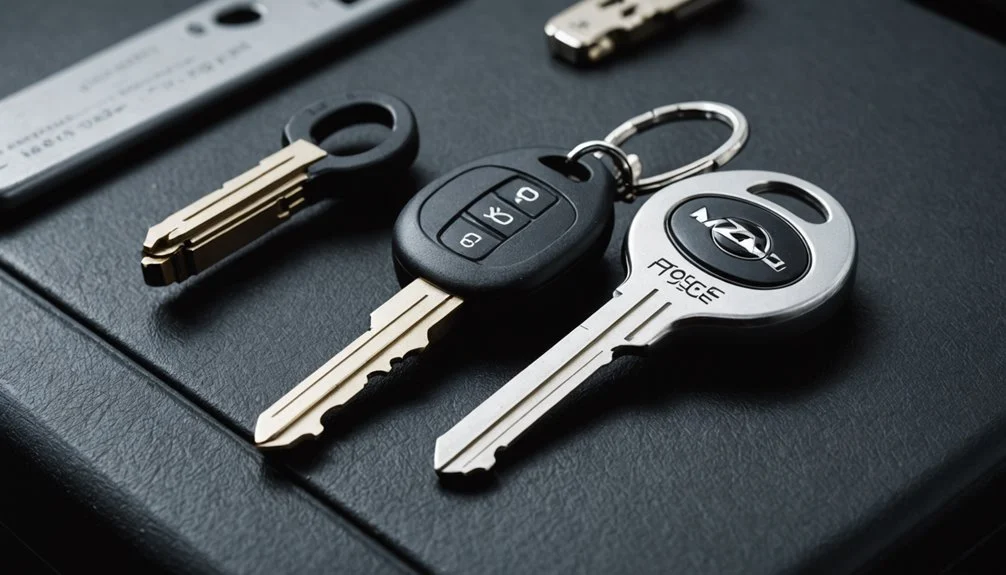
It’s never convenient to lose or damage your keys for your Mazda. When it occurs out of the blue, finding yourself with cool air can be stressful, especially if you’re stuck at work, in a mall, or worse, in some far-off location from home. The good news is that there is no need for you to freak out over it. There are a few reliable options to assist you hit the road without any excessive waiting.

Why Call a Locksmith First?

For an emergency lockout, calling a trusted auto locksmith can get you back on the road is much quicker than the dealership. Locksmiths, in contrast to dealers, usually offer mobile assistance, meaning they travel to you. They have state-of-the-art gadgets and programming gizmos that allow them to cut, code, and in some cases, reprogram brand new keys on the spot – and the savings for towing your car to the dealer are enormous!

Typical Reasons Mazda Drivers Might Need Key Replacement

Emergencies are more common than most drivers realize. Some examples are:

  • Keys lost: Left at work, on a shopping trip, or just misplaced.
  • Key got locked in the care: Mistakes that mainly happen with a centralised lock.
  • Keys that are broken or worn: They may snap in the ignition or simply be too worn to function properly.
  • Smart/transponder key malfunction: When smart keys and transponders do not work.
  • Keys Stolen: Immediate replacement, re-coding for security.

Whatever the case, quick action is essential to ensure that you’re able to get to and from work and to keep your ride from growing roots in your driveway.

Dealership vs Locksmith: Which is the Better Option?

If you are in need of a Mazda Car Key replacement, you have a couple different choices on how you can do get that replacement:

  • Dealerships: They will also carry original keys, but at a greater cost and higher wait.
  • Auto locksmiths: They generally provide quicker and less expensive services, and may be willing to come to you.

In case you require an emergency service, locksmiths are the more practical choice to depend on. Most of them are open 24/7, the fastest way to get back behind the wheel.

Types of Mazda Replacement Keys

What kind of replacements do you need depends on your car model and year:

  • Standard keys: Basic cut-metal keys found on older Mazda models.
  • Transponder keys: Require both cutting and programming to the immobiliser system.
  • Smart/proximity keys: These are used on the latest cars with a keyless (push-button) ignition start.
  • Keyless entry remotes: They have chip implanted in them so they need cutting in addition to programming.

For an expert auto locksmith with the tools to handle all this and more, customised to suit all cases.

Emergency Options for Mazda Drivers

When time is of the essence, the primary solutions are as follows:

  • On-site mobile locksmith service for automobiles: Their service is the quickest method, and they bring all of the necessary tools to change your keys.
  • Roadside service: Works well for straight-forward lockouts but almost never for key programming services.
  • Dealerships: Trustworthy but slow and costlier.

For most drivers, mobile locksmiths provide the ideal combination of quickness, ease, and cost-effectiveness.

Mitigating the Risk of Future Strikes and Lockouts

Emergencies can’t always be headed off, but a few precautions can ease the way:

  • Leave a second set of keys at a safe place.
  • Buy a Bluetooth key finder.
  • Replace the battery in your smart key regular.
  • Replace worn keys while they are still functioning.

Final Thoughts

Getting locked out or losing your keys doesn’t have to be the end of the world. While this is never good news, with professional services for Mazda car key replacement, you will receive a solution that is both quick and dependable. Whether it’s making an old-timey key or programming a smart fob, locking down the locks again after a break-in, the experts are ready. Locksmiths such as Speedy Car Keys offer fast, cheap services that will get you where you’re going. If you’re prepared in advance, you’ll never be stranded for long.

Introduction

In current years, city spaces across the earth have experienced a surge in cycling as a favorite mode of conveyance. The reasons are multifaceted: it is environmental, promotes tangible health, and often saves occasion compared to additional forms of urban travel. As centers evolve to shelter this shift, a fascinating development is emerging—smart bike racks.

These creative structures are in addition just a place to park your bike; they represent an assemblage of technology, sustainability, and usefulness. Let us delve into the interesting world of smart bike racks and explore how they are reshaping urban mobility.

What Are Smart Bike Racks?

Smart bike racks are the complicated counterparts of established bike parking systems. They incorporate state-of-the-art technology to determine enhanced freedom, better integration accompanying urban infrastructure, and a convenient experience.

Equipped with accompanying features like real-time chance tracking, digital locking mechanisms, and smartphone integration, these racks are background new standards for city bike parking.

Key Features of Smart Bike Racks

1. Security Enhancements:

Many smart bike racks come with joined locking systems that may be controlled via a smartphone app, adjoining an extra layer of protection for users.

2. User Authentication:

Some smart racks demand user confirmation, ensuring that only registered consumers can access the rack.

3. Real-Time Availability:

Through affiliated apps, cyclists can check the availability of bike parking spots in real time, saving opportunities and reducing disappointment.

4. Data Collection:

These racks often collect data on usage patterns, helping city planners make cognizant decisions about moving infrastructure.

5. Solar Power:

Many smart bike racks are equipped with accompanying solar panels, making them energy-effective and eco-friendly.

How Smart Bike Racks Work

The movement of smart bike racks involves a combination of fittings and software. Here is a tighter look at how they function:

1. Hardware Components

Locking Mechanism:

These are smart locks that can secure a bike using extraordinary identifiers, often activated by way of a mobile app.

Sensors:

Smart racks are outfitted with differing sensors that detect when a bike is stationed or removed, allowing real-time revises on rack availability.

Solar Panels:

These panels harness solar energy to power the rack’s science, minimizing the incidental footprint.

Surveillance Cameras:

Some racks come with included cameras for added safety and deterrence against stealing.

2. Software Infrastructure

Mobile Applications:

Users interact with accompanying smart bike racks primarily through dedicated movable apps. These apps provide features such as rack reservations, real-occasion availability checks, and consumer authentication.

Cloud Connectivity:

Smart racks are connected to the cloud, where data on custom patterns and environmental environments are stored and resolved.

Data Analytics:

The collected data is treated using progressive analytics forms, providing insights for city planners and rack operators.

How Smart Bike Racks Benefit Urban Environments

1. Enhanced Security

Traditional bike racks, while useful, frequently fall short in agreements of security. The progressive locking mechanisms in smart bike racks considerably reduce the risk of stealing.

In addition, many smart racks are equipped with cameras and alert systems that inform users of some tampering attempts. This enhanced protection not only protects bicycles but also encourages more population to cycle, aware their bikes are safe.

2. Improved Urban Planning

Smart bike racks support valuable data on bike usage, which can advise urban preparation decisions. By understanding where and when people are utilizing bikes, city planners can design better cycling foundations and allocate resources more capably.

This data-compelled approach leads to more bike-friendly downtowns and can encourage more family to adopt cycling as their basic means of conveyance.

3. Sustainability and Reduced Traffic Congestion

As more individuals choose cycling over driving, cities can experience a decrease in traffic tie-ups and pollution. Smart bike racks play a critical role in this transition by making bicycles more convenient and approachable. Furthermore, the availability of integrated e-bike charging stations supports the use of electric bicycles, further bright sustainable transport selections.

The User Experience: A Seamless Journey

One of the most important advantages of smart bike racks is the seamless consumer experience they offer. Here is how a typical interaction might unravel:

1. Locating a Rack:

Using an integrated app, riders can find the most forthcoming available smart bike rack.

2. Reservation:

Some schemes allow consumers to reserve a spot in advance, guaranteeing there is a place for their bike upon meeting.

3. Securing the Bike:

Upon reaching the rack, the user can lock their bike fixedly using a digital lock controlled by their smartphone.

4. Retrieval:

When the consumer returns, they simply solve their bike with a tap of their phone, making the complete process quick and hassle-free.

The Challenges and Considerations

While smart bike racks present many benefits, their implementation is not without challenges. Here are a few concerns that cities and companies must address:

1. Cost and Infrastructure

Implementing smart bike racks may be costly, needing significant primary investment and foundation upgrades. Funding these projects often includes collaboration between public and private subdivisions, demanding cautious planning and distribution of resources.

2. Technology Integration

Ensuring the science in smart bike racks is compatible with existent systems and different urban foundation is crucial. This includes selecting the right software platforms and guaranteeing they are user-friendly and trustworthy.

3. Maintenance and Security

While smart bike racks improve protection, they are not immune to vandalism or malfunction. Regular maintenance and revises are essential to guarantee smooth operation and to maintain the technology current.

The Future of Smart Bike Racks

1. Solar-Powered Charging:

To make the racks truly tenable, integrating solar panels could provide strength for e-bike charging and added functions.

2. Biometric Access:

Advanced security features like fingerprint or facial acknowledgment could further improve security and consumer convenience.

3. Augmented Reality Integration:

Imagine utilizing an AR app to visualize parking options and chance, adding a tier of interaction and date.

Conclusion: A Smart Solution for Modern Cities

Smart bike racks represent an irresistible solution to various urban challenges. They enhance freedom, provide priceless data for city development, and help sustainable transportation. As capitals around the globe grapple with issues like congestion and pollution, smart bike racks offer a glimpse into a future where cycling is not just a recreational exercise but a cornerstone of urban mobility.

Getting locked out of your car is frustrating, but staying calm and taking the right steps can help you solve the problem quickly. One of those steps is contacting the Best Gold Coast Locksmiths to ensure fast and professional assistance. Here’s a simple checklist to guide you.

  1. Stay Calm

Panicking won’t help. Take a moment to breathe deeply and think through your situation calmly. Keeping a clear head is the first step toward finding a solution.

  1. Call for Professional Help

Reaching out to a locksmith or roadside assistance is often the safest and quickest option. If you’re in Maryland areas like Germantown or Frederick, services like Geyer’s Towing can assist you. Check if your auto insurance covers lockout services to save on costs.

  1. Try DIY Methods Carefully

If you’re unable to call for help, these methods may work:

  • Slim Jim or Coat Hanger: Insert the tool between the weatherstripping and window to access the lock. This works best for manual locks but requires caution to avoid damaging your car.
  • String or Shoelace: Create a slipknot, slide it inside the door, and loop it around the lock button or handle to unlock.
  • Windshield Wiper Blade: Remove a blade, bend the metal, and carefully maneuver it to reach the lock mechanism.
  • Inflatable Wedge: If your window is slightly open, use an inflatable wedge to create space and reach the lock manually.
  • Bobby Pin: Slide the pin into the door’s seam and gently maneuver it to release the lock.
  1. Use Technology

Many modern cars come with mobile apps that can unlock doors remotely. Check if your vehicle has this feature and follow the app’s instructions for quick access.

  1. Call a Trusted Person

If you have a spare key at home, reach out to a family member or friend to bring it to you. Always keep a spare key in a secure and accessible place for emergencies.

Tips to Prevent Lockouts

Avoid future lockouts with these simple precautions:

  • Carry a Spare Key: Keep an extra key in your wallet or bag.
  • Check Your Locking Mechanism: Ensure its functioning properly to avoid accidental lockouts.
  • Don’t Rush: When exiting your car confirm you have your keys.
  • Install an Alarm System: Some alarms alert you if the keys are left inside.

Final Thoughts

Getting locked out of your car is inconvenient, but with the right approach, you can regain access without unnecessary stress. If DIY methods don’t work or feel too risky, rely on professional services like locksmiths or towing companies. Prevention is key, so always plan to avoid similar situations.

For quick and reliable assistance, companies like Geyer’s Towing are available to help you get back on the road. Stay calm, choose the best solution for your situation, and handle it with care.


To make certain that any scooter engine to operate correctly, both intake and exhaust valves must open rapidly. The rocker arms result in opening the valves. Inside the finish in the scooter rocker arm may be the tappet. With degeneration, tappets venture out adjustment and could periodically be re-adjusted. The suggested adjustment differs from manufacturer to manufacturer that’s suggested the service manual for the specific kind of scooter be consulted.

Valve lash also called tappet clearance, possess an effect on exhaust. Valve lash may be the minute distance relating to the tappet along with the corresponding valve stem. It is important this clearance be within specs (per the specific scooter brand) to make certain the scooter to operate. Valves that provide from adjustment after a while might cause a loss of revenue of profits of compression, reduced power and can result in engine, damage. Sometimes your scooter might not attempt.

With regular usage, you need to incorporate valve adjustment incorporated inside the regular maintenance schedule. Do this consistent with any recommendation inside the manufacturer, that may usually be found in the documentation that incorporated your particular type of scooter.

Prior to starting, one of the greatest products that’s suggested is there is a proven method for the task. While you are getting away with getting a few very “fundamental” tools, it certainly is suggested that you simply certainly source out tools which are job specific. For instance, whenever you will result in the tappet adjustments obtaining a 9mm wrench and a pair of needle nose pliers (which i’ve seen done) you’d achieve simpler, better results having a tappet adjustment tool. During scripting this short article, an excellent tappet adjustment tool involved thirty dollars online. If it’s a great deal, keep in mind, whenever you incorporate valve adjustment for the regular maintenance schedule, you will notice the price in the tool damaged out over many jobs makes all the expense small.

Using this job you must have some feeler gauges along with a tappet adjustment tool. Likewise, if you don’t contain the tappet adjustment tool, utilize a 9mm wrench and a pair of needle nose pliers. You will want the feeler gauge trying to find getting this proper clearance.

Begin with your scooter engine COLD. The main reason you’ll need the engine cold is simply because just as one engine can get hotter, metal expands. This expansion would most definitely make clearance bigger when the engine cools. This may lead to too big in the valve lash that might likely not let the valve to begin correctly. Place the scooter across the center stand and so the back wheel is began. Eliminate the valve cover and hang the screws in the small container so they don’t wander away. You will observe two valves. The foremost is the intake valve but another may be the exhaust valve.

Next rotate the engine fan until it reaches “Top Dead Center”, this is when the piston reaches the best point across the compression stroke. The Very Best Dead Center marking lies across the flywheel that is denoted usually as being a “T”. Right now, both valves must be fully closed along with the valve lash relating to the rocker arm and valve stem must be at its max. Both rocker arms will most likely be no less than height positions across the camshaft lobes. In addition for that marking across the flywheel, and/or furthermore, you will find markings across the outdoors within the cam sprocket you need to use too.

When you’re at Top Dead Center, release the locking nut. To handle the clearance, apply certain feeler gauges. You can slip the very best sized gauge (per manufacturers specifications) relating to the tappet as well as the top valve stem with this is actually the tiniest resistance. Likewise if you’re in a position to freely pass the gauge through, the clearance is simply too big. After you have the very best clearance set, tighten lower the lock nut, and re-check it. Now perform same factor again for the other valve. Again, the suggested adjustment differs from manufacturer to manufacturer that is suggested the service manual for the specific kind of scooter be consulted.