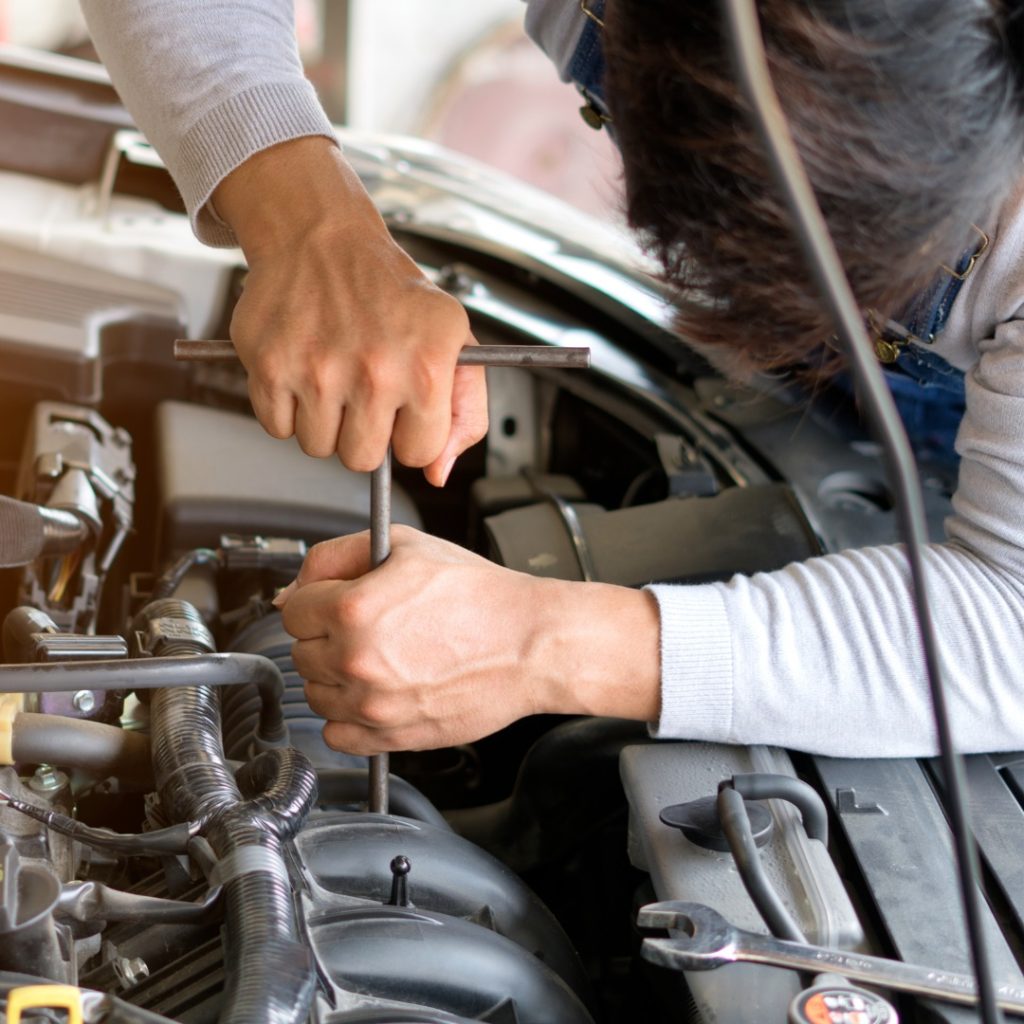
Tag

during

Browsing

Modern vehicles are equipped with a range of warning and control systems that significantly enhance safety and improve the driving experience. These systems continuously monitor the vehicle’s surroundings using advanced sensors and cameras, alerting drivers to potential hazards. Whether it’s an obstacle ahead, a lane departure, or a sudden change in traffic conditions, these systems help drivers respond swiftly, potentially preventing accidents. As automotive technology evolves, these systems are becoming more precise and effective, offering an additional layer of safety and convenience.

Types of Warning and Control Systems

There are several critical warning and control systems commonly found in today’s vehicles. Lane departure warning is one of the most widely used, alerting the driver if the car unintentionally drifts out of its lane. Another essential system is forward collision warning, which identifies potential collisions with objects or vehicles in the path of the car, providing timely alerts to prevent accidents. Adaptive cruise control, on the other hand, automatically adjusts the vehicle’s speed to maintain a safe distance from the car in front, reducing the need for constant speed adjustments.

Other helpful systems include parking sensors, which assist drivers in parking by detecting nearby obstacles, and blind-spot monitoring, which alerts drivers when another vehicle is in their blind spot, reducing the risk of accidents during lane changes. Automatic emergency braking is another key feature, which applies the brakes if a collision is imminent, helping to reduce the impact or even prevent the crash altogether.

In addition to these advanced features, systems like the ABS light also contribute to safety. When the ABS light illuminates, it alerts the driver to a potential issue with the anti-lock braking system, ensuring that the vehicle’s braking system remains effective in emergency situations.

The Future of Warning and Control Technologies

The future of warning and control systems in vehicles is set to become even more advanced, largely driven by the integration of artificial intelligence (AI) and machine learning (ML). These technologies will enable vehicles to adapt to individual driving behaviors and specific road conditions, offering more personalized and intelligent safety features. For example, AI could help vehicles predict potential accidents by processing data from sensors and cameras in real-time, allowing them to take preemptive action. Key Benefits of AI and ML in Future Vehicle Safety:

  1. Personalized Safety Features: Vehicles will adapt to individual driving habits, providing tailored safety responses based on the driver’s behavior.
  2. Real-Time Accident Prediction: AI will process data from various sensors and cameras to anticipate accidents and take preemptive action to prevent them.
  3. Enhanced Obstacle Detection: As autonomous technologies progress, vehicles will become more adept at detecting and avoiding obstacles, improving overall safety.
  4. Smarter Decision Making: AI and ML will enable real-time decision-making for self-driving cars, ensuring optimal safety in any situation.
  5. Improved Road Safety: The integration of AI and ML will minimize human error, significantly reducing accidents and enhancing overall road safety.

Harley Davidson is one of the most well-known motorcycle brands in the world, famous for its powerful engines, classic cruiser designs, and deep-rooted motorcycle culture. Whether you’re a first-time buyer or a seasoned rider looking for an upgrade, knowing how much a Harley Davidson motorcycle costs can help you plan your budget.

The price of a Harley Davidson varies depending on the model, engine size, features, and whether you buy new or used. Some models are budget-friendly, while others are high-end touring bikes packed with premium features. This guide explores the cost of different Harley Davidson models, factors that influence pricing, and what additional expenses to consider before purchasing a Harley.

Harley Davidson Price Ranges by Model

Harley Davidson motorcycles are available in several categories, each catering to different riding styles and budgets. Below is a breakdown of Harley’s main model families and their price ranges.

1. Harley Davidson Sportster Series

The Sportster lineup offers some of the most affordable Harley Davidson motorcycles, making them popular among new riders and those looking for a smaller, lighter bike.

  • Iron 883 – $11,249+
  • Forty-Eight – $12,299+
  • Nightster – $13,499+

These models feature a minimalist design and a mid-sized engine, making them a great entry point into the Harley Davidson lineup.

2. Harley Davidson Cruiser Series

Harley’s cruiser lineup includes models designed for relaxed, comfortable riding with signature V-twin engines and classic styling.

  • Softail Standard – $14,999+
  • Street Bob 114 – $16,999+
  • Fat Bob 114 – $20,199+
  • Low Rider S – $20,999+

Cruisers offer a mix of performance and style, with models available in different engine sizes and configurations.

3. Harley Davidson Touring Series

Touring models are built for long-distance comfort, featuring larger engines, advanced technology, and storage options for extended trips.

  • Road King – $21,999+
  • Street Glide – $25,999+
  • Road Glide Limited – $29,399+
  • Ultra Limited – $32,499+

These motorcycles come equipped with features like infotainment systems, saddlebags, and upgraded suspension for a smooth ride.

4. Harley Davidson Trike Series

For those looking for extra stability and comfort, Harley Davidson offers three-wheeled motorcycles with a unique riding experience.

  • Freewheeler – $30,999+
  • Tri Glide Ultra – $37,999+
  • CVO Tri Glide – $50,999+

Trikes are ideal for riders who want the power of a Harley but prefer more balance and comfort.

5. Harley Davidson CVO (Custom Vehicle Operations) Series

The CVO lineup features Harley Davidson’s top-tier models with premium finishes, advanced technology, and exclusive design elements.

  • CVO Road Glide – $44,499+
  • CVO Street Glide – $42,999+

These models are built for riders looking for the ultimate Harley experience with luxury features and powerful engines.

Factors That Influence Harley Davidson Pricing

Several factors affect the price of a Harley Davidson, including:

1. Model and Engine Size

Larger engines typically come with higher price tags. A Sportster with an 883cc engine costs significantly less than a touring model with a Milwaukee-Eight 114 or 117 engine.

2. Features and Technology

Higher-end Harley models include advanced features such as:

  • Touchscreen infotainment systems
  • GPS navigation
  • Heated grips and seats
  • Custom paint finishes
  • Rider assist technology (ABS, traction control, adaptive cruise control)

These features add to the overall cost of the motorcycle.

3. Customization and Accessories

Many Harley riders personalize their bikes with aftermarket parts and accessories, which can add thousands of dollars to the final cost. Common upgrades include:

  • Performance exhaust systems ($500 – $2,000)
  • Custom seats and handlebars ($200 – $1,500)
  • LED lighting kits ($100 – $500)
  • Luggage and saddlebags ($300 – $2,000)

4. New vs. Used

Buying a new Harley comes with the latest technology, a factory warranty, and no prior wear and tear. However, a used Harley Davidson can be significantly cheaper while still offering a great riding experience.

  • New Harley Davidson motorcycles – $11,000 to $50,000+
  • Used Harley Davidson motorcycles – $5,000 to $30,000+, depending on model, condition, and mileage

If you’re looking to save money, the used market offers great deals on well-maintained Harleys.

5. Dealer Fees and Taxes

Purchasing from a dealership often includes additional costs such as:

  • Sales tax (varies by state, typically 5-10%)
  • Dealer setup and documentation fees ($200 – $1,000)
  • Registration and title fees ($50 – $300)

These costs should be factored into your overall budget.

Additional Costs of Owning a Harley Davidson

Beyond the purchase price, owning a Harley Davidson comes with ongoing expenses that riders should consider.

1. Insurance Costs

Harley Davidson insurance rates depend on factors like rider age, location, bike model, and coverage type.

  • Liability-only coverage – $200 – $500 per year
  • Full coverage insurance – $500 – $2,500 per year

Touring and CVO models typically have higher insurance costs than smaller Sportsters.

2. Maintenance and Repairs

Regular maintenance keeps a Harley running smoothly, but costs can add up over time.

  • Oil change – $100 – $250
  • Tire replacement – $300 – $600 per set
  • Brake pad replacement – $150 – $300
  • Annual servicing – $400 – $1,000

Some Harley riders choose to perform basic maintenance themselves to save on labor costs.

3. Riding Gear

Safety gear is essential for every rider, and investing in high-quality equipment is highly recommended.

  • Helmet – $200 – $800
  • Jacket – $250 – $600
  • Gloves – $50 – $200
  • Boots – $150 – $400

While gear adds to the initial cost, it provides protection and enhances the riding experience.

Tips for Getting the Best Deal on a Harley Davidson

  1. Compare Prices at Multiple Dealerships – Some dealers offer discounts, promotions, or incentives on certain models.
  2. Consider Buying Used – A well-maintained used Harley can provide excellent value at a lower cost.
  3. Check for Financing Offers – Harley Davidson dealerships often have special financing rates for qualified buyers.
  4. Shop During Off-Season Months – Prices may be lower in winter when demand decreases.
  5. Negotiate Dealer Fees – Some dealerships are willing to reduce or waive certain fees if you ask.

Final Thoughts

The cost of a Harley Davidson motorcycle varies widely based on the model, features, and whether you buy new or used. Entry-level Sportsters start around $11,000, while high-end touring and CVO models can exceed $50,000.

Beyond the purchase price, consider additional expenses like insurance, maintenance, and riding gear. Whether you’re buying your first Harley or upgrading to a bigger model, researching pricing and ownership costs will help you make an informed decision.

Auto transmission maintenance often takes a backseat in vehicle care discussions, overshadowed by engine checks and oil changes. However, neglecting your car’s transmission can lead to significant issues down the road. In this guide, we’ll explore the critical role of transmission maintenance, dispel common misconceptions, and shed light on what most people aren’t told about keeping their transmission in top shape.

Understanding Your Vehicle’s Transmission

The transmission is one of the most complex and essential components of your car. Its primary role is to ensure the right amount of power is delivered to the wheels at varying speeds. Automatic transmissions use intricate systems of gears, clutches, and hydraulic fluid to shift gears seamlessly without driver intervention. Over time, this complex mechanism is subject to wear and tear, making proper maintenance crucial.

What Happens If You Skip Transmission Maintenance?

Many car owners underestimate the importance of routine transmission care, assuming it’s only necessary when something goes wrong. However, skipping maintenance can lead to:

  1. Overheating: Dirty or degraded transmission fluid loses its ability to cool and lubricate, causing the system to overheat and fail prematurely.
  2. Slipping Gears: A poorly maintained transmission can cause gear slippage, resulting in unpredictable vehicle performance and safety hazards.
  3. Costly Repairs: Transmission repair or replacement is among the most expensive car repairs, often costing thousands of dollars. Routine maintenance can help avoid such expenses.
  4. Shortened Lifespan: Ignoring maintenance can significantly reduce the lifespan of your transmission, forcing you to replace it far earlier than expected.

Misconceptions About Transmission Maintenance

There are several myths about transmission maintenance that can mislead car owners:

  1. “Modern Transmissions Are Maintenance-Free”: While some manufacturers market their vehicles as having “lifetime” transmission fluid, this is often misleading. Fluids degrade over time and need periodic replacement to ensure optimal performance.
  2. “Only High-Mileage Cars Need Maintenance”: Even low-mileage vehicles can benefit from transmission care. Driving conditions, such as frequent stop-and-go traffic or towing heavy loads, can put extra strain on the system.
  3. “If It’s Shifting Fine, It’s Fine”: Transmission problems often develop gradually, making them hard to detect until significant damage has occurred.
  4. “You Can Use Any Transmission Fluid”: Using the wrong type of fluid can cause severe damage. Always refer to your vehicle’s manual for the correct specification.

Signs Your Transmission Needs Attention

Your car often gives subtle signs when the transmission requires maintenance. Ignoring these warning signs can lead to larger problems:

  • Delayed Gear Shifts: If there’s a delay or hesitation when shifting gears, it may indicate low or dirty transmission fluid.
  • Unusual Noises: Grinding, whining, or clunking sounds during gear shifts often signal internal wear.
  • Fluid Leaks: Transmission fluid is usually red or pink. Leaks can indicate a failing seal or gasket.
  • Burning Smell: Overheated fluid can emit a burnt odor, signaling an urgent need for service.
  • Dashboard Warning Light: Many modern vehicles are equipped with sensors that alert you to transmission issues.

What Transmission Maintenance Involves

Routine maintenance isn’t as daunting as it sounds. Here are the key components:

  1. Fluid Check and Replacement: Transmission fluid lubricates and cools the system. Checking its level and condition regularly can prevent overheating and wear. Replace the fluid as per your vehicle’s service schedule.
  2. Filter Replacement: Some vehicles have transmission filters that collect debris. Over time, these filters become clogged and require replacement.
  3. Inspection for Leaks: A professional mechanic can check for leaks and ensure seals and gaskets are in good condition.
  4. System Flush: A transmission flush removes old, dirty fluid and replaces it with fresh fluid, ensuring the system operates smoothly.
  5. Software Updates: Many modern vehicles have computerized transmissions. Manufacturers may release updates to improve performance, which can be installed during routine service.

The Cost of Neglecting Maintenance vs. Routine Care

Many people avoid maintenance due to the perceived cost, but neglecting your transmission can lead to far greater expenses. A typical fluid change costs between $100 and $250, while a complete transmission replacement can range from $3,000 to $7,000 or more, depending on the vehicle.

Investing in regular care not only saves money in the long run but also ensures better vehicle performance and safety.

Tips for Extending Transmission Life

To get the most out of your transmission, follow these tips:

  1. Drive Smoothly: Avoid sudden starts and stops, as aggressive driving can stress the transmission.
  2. Avoid Overloading: Carrying heavy loads or towing beyond your vehicle’s capacity puts extra strain on the system.
  3. Use the Right Fluid: Always stick to the manufacturer-recommended fluid for your vehicle.
  4. Let It Warm Up: In cold weather, let your car warm up for a few minutes before driving to ensure the fluid flows properly.
  5. Regular Maintenance: Follow the recommended maintenance schedule in your vehicle’s manual.

What They Don’t Tell You About Transmission Maintenance

Many vehicle owners aren’t aware of the proactive steps they can take to prevent transmission issues. Some of these include:

  • Early Detection Saves Money: Minor transmission issues are easier and cheaper to fix than major failures. Regular maintenance helps catch problems early.
  • Custom Maintenance Schedules: Your driving habits can impact how often maintenance is needed. For instance, city driving with frequent stops and starts may require more frequent fluid changes.
  • DIY Checks Are Easy: Checking your transmission fluid is a simple task that you can do at home. Look for clear, reddish fluid. If it’s dark or smells burnt, it’s time for a change.

Final Thoughts

So, is auto transmission Newark, DE necessary? Absolutely. While it’s often overlooked, proper care of your vehicle’s transmission is essential to avoid costly repairs, ensure smooth performance, and extend the life of your car. By staying proactive and informed, you can keep your vehicle running at its best and enjoy peace of mind on the road.

Take the time to schedule regular maintenance and pay attention to warning signs—it’s an investment that pays off in reliability, safety, and savings. Don’t wait until it’s too late to give your transmission the attention it deserves.

The moment you notice that telltale star-shaped chip or spreading crack in your windshield, you know you’re facing more than just a cosmetic issue. Windshield damage quickly escalates from a minor annoyance to a major safety hazard, compromising your vehicle’s structural integrity and your visibility on the road. Today’s auto glass repair professionals employ sophisticated techniques and cutting-edge technology to address these issues, transforming what was once a simple replacement job into a precise science. A professional auto glass shop’s diagnosis and treatment of windshield damage helps you make better decisions about maintaining and preserving your vehicle’s safety.

Modern windshields are engineering marvels designed with safety in mind. They consist of two layers of curved polyvinyl butyral (PVB) between them. This laminated construction prevents the glass from shattering into dangerous shards during an impact, instead holding the pieces together to maintain structural integrity and protect vehicle occupants.

Initial assessment process

When you bring your vehicle to an auto glass shop, technicians begin with a thorough assessment of the damage. They examine several crucial factors:

  • The size of the damage is measured precisely, as this determines whether repair or replacement is necessary. Small chips and cracks less than six inches long may be candidates for repair, depending on their location and depth.
  • The location dictates the best course of action. Damage in the driver’s direct line of sight usually requires complete replacement, as repairs leave slight distortions that might impair visibility. Similarly, damage near the windshield’s edges often necessitates replacement due to the structural importance of these areas.

The depth of the damage is carefully evaluated. While surface chips might be repairable, damage that penetrates deep into or through both layers of glass requires replacement. Technicians use specialized tools to assess the depth and severity of the damage accurately.

Repair process

For repairable damage, auto glass technicians follow a methodical process to restore the windshield’s integrity. They thoroughly clean the damaged area to remove any debris or loose glass particles. They then inject a special UV-activated resin into the damaged area using precision tools. Its optical properties match those of the glass to the fullest extent possible.

The injection process requires skill and experience, as technicians must ensure the resin fills all parts of the damage without trapping air bubbles. They often use vacuum technology to remove air from the crack or chip before filling it with resin. Once filled, the resin is cured using UV light, creating a strong bond that restores much of the windshield’s original strength.

Complete windshield replacement

When damage is too severe for repair, a full replacement becomes necessary. This complex process requires precision and expertise to ensure proper installation and maintain vehicle safety. Technicians begin by carefully removing the old windshield, taking care not to damage the vehicle’s frame or interior.

The frame is then meticulously cleaned and prepared for the new windshield. This step is crucial as any debris or old adhesive can prevent proper bonding. A new urethane adhesive is applied to create a weatherproof seal and ensure the windshield stays firmly in place, even during impacts or accidents. Technicians must also properly position any sensors, cameras, or other advanced driver assistance system (ADAS) components that might be integrated with the windshield. This has become increasingly important as modern vehicles rely on these systems for safety features like automatic emergency braking and lane departure warnings. An Affordable Auto Glass Shop in El Cajon which offers a wide variety of solutions for various auto glass needs. To provide safe and lasting repairs or replacements, these professionals use state-of-the-art equipment and years of experience. 

As a lawyer who frequently navigates the complexities of road safety and accident claims, I understand the importance of having reliable evidence when it comes to protecting oneself on the road. After extensive research and personal experience with various dash cams, I decided to try the Vital Dash Cam. From the moment I installed it in my vehicle, I was impressed by its sleek design and user-friendly features.

Having a high-definition camera that continuously records my journeys provides me with peace of mind, knowing that I have an unbiased witness in case of an incident. In my line of work, I’ve seen firsthand how crucial video evidence can be in resolving disputes and ensuring fair outcomes for clients. The Vital Dash Cam not only meets but exceeds my expectations, making it an invaluable tool for both personal safety and professional assurance. 

In this review, I’ll share my insights on its performance, features, and overall value, highlighting why I believe it’s a must-have for anyone who spends time on the road.

What is Vital Dash Cam?

As I delved into the world of dash cams, I discovered the Vital Dash Cam, which quickly became my go-to device for ensuring safety on the road. This compact, high-definition camera is designed to capture every moment of my driving experience, providing a reliable record of my journeys. With its impressive video quality and advanced features, it stands out as a top choice for drivers like me who prioritize security and peace of mind.

How Does It Work

The functionality of the Vital Dash Cam is straightforward yet impressive. Once installed in my vehicle, it continuously records video footage while I drive. The camera utilizes loop recording, meaning it automatically overwrites older footage when the memory card is full, ensuring that I never run out of storage. One feature that particularly resonates with me as a legal professional is the G-sensor technology. This sensor detects sudden impacts or collisions, instantly locking and saving the footage from those moments to prevent any accidental deletion. This capability has proven invaluable in providing clear evidence during disputes or accidents.

Additionally, the Vital Dash Cam is equipped with night vision, allowing it to capture clear images even in low-light conditions. This feature gives me confidence that I am protected around the clock, whether I’m driving during the day or late at night.

How to Use Vital Dash Cam

Using the Vital Dash Cam is incredibly user-friendly, which I greatly appreciate. After mounting the camera on my windshield and connecting it to my vehicle’s power source, I simply turn it on, and it begins recording automatically. The setup process was quick and hassle-free, allowing me to focus on what matters most—driving safely.

For those moments when I want to review footage or share clips, the accompanying mobile app makes accessing recordings seamless. With just a few taps on my smartphone, I can view past journeys or save important clips directly to my device. The parking mode feature is another aspect I find particularly useful; it allows the camera to monitor my vehicle even when I’m not around, providing an extra layer of security against potential incidents.

Overall, my experience with the Vital Dash Cam has been overwhelmingly positive. It not only enhances my driving experience but also serves as a crucial tool in protecting myself and others on the road. Whether you’re a daily commuter or someone who enjoys weekend road trips, I highly recommend considering this dash cam for your vehicle.

What I Like About Vital Dash Cam

  • High-Quality Video: The 1080p resolution provides crystal-clear footage, which is essential for capturing details during my drives.
  • Wide-Angle Lens: The wide-angle view allows me to see more of the surroundings, ensuring that I capture everything happening around my vehicle.
  • G-Sensor Functionality: I appreciate how the G-sensor automatically saves footage during sudden stops or collisions, giving me peace of mind that critical evidence won’t be lost.
  • Night Vision Capability: The night vision feature works exceptionally well, allowing me to drive confidently even in low-light conditions.
  • User-Friendly App: The mobile app is intuitive and makes it easy to access and manage my recordings without any hassle.
  • Parking Mode: Knowing that the camera monitors my vehicle while parked adds an extra layer of security against theft or vandalism.

What I Don’t Like About Vital Dash Cam

  • Storage Management: While loop recording is convenient, I sometimes find myself needing to manually check and manage storage to ensure important footage is saved.
  • Installation Complexity: Although the setup was generally straightforward, hardwiring the camera into my vehicle’s electrical system required some additional effort and technical knowledge.
  • Privacy Concerns: There are moments when I worry about inadvertently recording pedestrians or other vehicles, raising potential privacy issues.

Is Vital Dash Cam Legit?

Yes, I genuinely believe that the Vital Dash Cam is a legitimate and valuable tool for any driver. My confidence stems from both my personal experience and the robust features it offers. As a lawyer, I understand the critical role that evidence plays in resolving disputes. The clear video recordings from this dash cam can serve as an impartial witness in case of accidents or misunderstandings on the road.

Moreover, the technology behind the Vital Dash Cam is impressive. With features like G-sensor technology and night vision, it demonstrates a commitment to providing reliable performance under various driving conditions. The ease of use further solidifies its legitimacy; I can quickly access footage via the mobile app, making it convenient to retrieve important clips when needed.

In a world where road safety is paramount, having a dependable dash cam like this one gives me peace of mind. Whether I’m commuting to work or embarking on a long road trip, I know that I’m protected by a device that not only records my journeys but also enhances my overall driving experience. For anyone looking for a trustworthy dash cam, I wholeheartedly recommend the Vital Dash Cam based on my positive experiences and its proven capabilities.

Where to Buy Vital Dash Cam

If you’re considering purchasing the Vital Dash Cam, I highly recommend buying it directly from the official retail store. This ensures that you receive a genuine product with all the promised features and benefits. The official site often offers exclusive discounts, such as the current special price of just $47 per device, significantly lower than the regular price. Additionally, purchasing from the official store provides peace of mind with a 30-day money-back guarantee, allowing you to test the product risk-free.

Minnesota’s challenging climate, marked by severe winters and warm summers, creates specific issues for vehicle maintenance, particularly when it comes to auto glass. Drivers face various threats to their car windows, from flying debris on icy roads to sudden temperature changes that strain the glass. Auto glass replacement in Minnesota  is essential for tackling these unique challenges. Replacing damaged auto glass is more than just a cosmetic fix; it’s a crucial step in ensuring the safety and structural integrity of a vehicle. Ryan & Gordy’s Glass, a trusted provider of auto glass services, underscores the significance of timely replacements to protect both the car and its occupants.

Weather-Related Wear and Tear on Auto Glass

Minnesota’s harsh winters and humid summers take a toll on auto glass, often worsening existing issues. The freezing cold of winter can cause chips or cracks in windshields to spread rapidly as the glass expands and contracts with fluctuating temperatures. Even a minor chip can become a significant crack after exposure to freezing temperatures overnight, compromising the windshield’s strength.

Summer months are equally problematic. The heat causes the glass to expand, and if there’s already damage, the pressure can lead to further deterioration. A minor flaw left unrepaired in the spring can turn into a full-blown safety hazard by the time summer hits. In both extremes, whether freezing or scorching temperatures, damaged glass weakens and becomes more prone to breaking under pressure.

Auto Glass Replacement

Enhancing Visibility and Road Safety

A clear windshield is vital for safe driving, and compromised glass puts both the driver and others at risk. Cracks or chips can distort a driver’s vision, reducing their ability to see the road clearly. In Minnesota, where weather conditions can change rapidly, any obstruction to a driver’s visibility can lead to delayed reactions and increased chances of accidents. Foggy mornings, snowstorms, or even heavy rain can turn a small crack into a major problem, limiting visibility further.

By replacing damaged auto glass, drivers maintain a clear view of the road, enabling them to respond more quickly to potential hazards. Ryan & Gordy’s Glass emphasizes the necessity of timely replacement not only for aesthetics but to ensure drivers can safely navigate Minnesota’s roads in any weather condition.

Preserving Structural Integrity and Passenger Protection

Beyond visibility, auto glass plays a critical role in maintaining the structural integrity of a vehicle, especially in the event of a collision. A car’s windshield acts as a key support for the roof during rollovers, preventing the roof from collapsing and protecting passengers inside. Even minor cracks can weaken the windshield, increasing the risk of injury in accidents.

Ryan & Gordy’s Glass stresses that prompt replacement of any damaged windshield is essential to preserving the car’s ability to protect passengers in the event of a crash. Properly installed auto glass not only shields occupants from debris but also reinforces the vehicle’s overall strength, making it a crucial element of modern automotive safety systems.

Addressing Hidden Risks in Auto Glass Damage

Sometimes, the damage to auto glass isn’t immediately visible. Small chips or cracks can go unnoticed but still threaten the integrity of the windshield. These seemingly minor issues can be aggravated by environmental factors like sudden temperature shifts or impacts from road debris. Regular inspection of auto glass is key to identifying these hidden risks before they lead to larger problems.

Ryan & Gordy’s Glass advocates for regular checkups and prompt attention to even the smallest signs of damage, ensuring that potential hazards are addressed before they compromise safety. Early detection and repair can prevent costly replacements and ensure the continued safety of a vehicle.

Trusting Professionals for Long-Lasting Solutions

When it comes to vehicle safety, professional auto glass replacement services are crucial. Ryan & Gordy’s Glass offers expert solutions tailored to the specific demands of Minnesota’s climate and driving conditions. With a commitment to quality and safety, they ensure that every repair or replacement is performed to the highest standards, providing drivers with peace of mind on the road.

In conclusion, auto glass replacement in Minnesota is about much more than appearances. It’s an essential part of maintaining safety, visibility, and structural integrity. By prioritizing timely replacements, drivers can protect both their vehicles and the people inside them. For professional and reliable auto glass services, Ryan & Gordy’s Glass stands out as a trusted partner dedicated to the safety and satisfaction of Minnesota’s drivers.

Although buying a pre-owned car can be a fulfilling experience, it has certain difficulties, particularly with regard to maintaining the state of the vehicle. Making sure you’re making a smart investment and avoiding possible hazards depend on a careful assessment done before to purchase. Montclair’s diverse neighborhoods influence the types of used cars in montclair available, reflecting the unique tastes of local residents. This is a tutorial on what to search for in a pre-owned car examination.

External Review: Evaluating the Body

Start your inspection closely examining the outside of the vehicle. Look for any corrosion, dents, or scrapes suggesting a past of mishaps or inadequate care. Focus especially on the paint job; mismatched paint can imply that repairs have been done. Look for any anomalies in the body panels’ seams and joints; this can help you to determine past bodywork. Make that every light—including turn signals, taills, and headlights—is operating as it should.

Internal Inspection: Comforts and Uses

Once you’ve looked at the outside, turn your attention inside. Search for carpet wear and tear, dashboard and seat damage. Make sure every control—including audio systems, heating, and air conditioning—is running as it should. Sniff for any odd smells suggestive of mold or water damage. Check also that there are no dashboard warning lights and that seat belts operate as they should.

Under the Hood: Fluids and engine

Examining the mechanical state of the car depends on thorough under-the-hood check. Look first for any evidence of leaks, rust, or too much wear on the engine. Examine the belts and hoses to be sure they are not frayed or broken. To guarantee they are at suitable levels and free from contamination, check the oil and other fluids—coolant, brake fluid, transmission fluid. The lifetime and performance of the car depend on a well-maintaining engine.

Tire condition: Performance and safety

An additional crucial component of your pre-owned car check is tire examination. To be sure they provide enough grip for safe driving, check the tread depth. Uneven tire wear can point to suspension or alignment problems that might call for expensive repairs. For best performance, make sure all four of the tires are of the same brand and model. Don’t overlook looking over the jack and spare tire to make sure they are in good shape.

Comparing vehicle history reports is crucial when considering used cars in montclair to ensure a smart purchase decision.

Shelton’s diverse climate can take a toll on vehicles. Regular seasonal check-ups are essential for maintaining vehicle performance and safety. These check-ups help address potential issues before they become significant problems.

  • Understanding Seasonal Changes

Each season brings unique challenges that can affect vehicle performance. Winter weather can lead to ice and snow buildup, and summer heat can cause fluids to evaporate and components to wear out. Seasonal check-ups allow for proactive maintenance tailored to these changing conditions.

  • Preventing Costly Repairs

Regular check-ups can prevent minor issues from escalating into costly repairs. Small problems like worn brakes or low fluid levels can become major expenses if neglected. Seasonal inspections can identify these issues early. This proactive approach can save drivers money in the long run.

  • Enhancing Safety

Safety should always be a priority for drivers in Shelton. Seasonal check-ups include thorough inspections of critical components. These components include brakes, tires, and lights. Ensuring that these systems function properly reduces the risk of accidents. Regular maintenance helps ensure that vehicles are safe to drive, especially during challenging weather conditions.

  • Maximizing Performance

Regular check-ups help maximize vehicle performance. A well-maintained vehicle runs more efficiently and provides a better driving experience. Seasonal inspections can adjust systems and replace worn parts. This attention to detail keeps the vehicle operating smoothly and enhances fuel efficiency.

  • Preparing for Weather Conditions

Shelton residents face various weather conditions throughout the year. Winter often brings snow and ice, while summer can lead to high temperatures. Seasonal check-ups prepare vehicles for these conditions.

This preparation includes checking tire tread depth for winter traction and inspecting the air conditioning system for summer comfort. These steps help ensure vehicles remain reliable regardless of the weather.

  • Extending Vehicle Lifespan

Regular seasonal check-ups can significantly extend the lifespan of a vehicle. Just like people, vehicles require care and attention to stay healthy. Routine maintenance helps identify and resolve issues before they worsen. This practice helps prevent premature wear and tear on components.

  • Finding the Right Auto Shop

Choosing a reputable auto shop is crucial for effective seasonal check-ups. An experienced mechanic can provide thorough inspections and expert advice. Shelton residents should consider visiting an auto shop in Cranston, RI, for reliable service. A knowledgeable mechanic can tailor maintenance to the specific needs of the vehicle and local conditions.

 Conclusion

Seasonal car check-ups are vital for Shelton residents. These inspections help prevent costly repairs, enhance safety, and maximize performance. Addressing the unique challenges posed by each season ensures that vehicles remain reliable and efficient.

By prioritizing regular maintenance, vehicle owners can enjoy a smoother driving experience and extend the lifespan of their cars. Investing in seasonal check-ups is a smart choice for any vehicle owner in Shelton.

Snowshoeing in Yellowstone National Park is a must-try experience for anyone wanting to fully appreciate the beauty and solitude of winter. With pristine landscapes, frozen waterfalls, and snow-covered meadows, Yellowstone transforms into a winter wonderland. If you’re planning to explore this unique experience, you’ll want to make sure you’re fully prepared with the right equipment, transportation, and expert guidance.

Why Snowshoeing in Yellowstone Is Worth It

Yellowstone in winter offers a quiet and peaceful atmosphere that you won’t experience during the busy summer months. Snowshoeing is one of the best ways to navigate the park’s vast wilderness and access areas that aren’t reachable by vehicle. The deep snow and rugged terrain create a challenging yet rewarding experience that immerses you in nature like nothing else. However, for a successful adventure, you’ll need to rely on professionals to ensure you have the best gear and transport options.

For this, I recommend considering snowshoeing in Yellowstone National Park with Hatch Adventures. They are known for their reliable services and dedication to providing a premium experience, including rental options for winter-ready 4WD vehicles. Although I haven’t personally used their services, Hatch Adventures comes highly recommended due to their reputation for catering to all the needs of outdoor enthusiasts.

Planning Your Snowshoeing Trip

Before setting out, it’s important to understand that winter in Yellowstone can be unpredictable. Temperatures often dip below freezing, and the snowpack can vary throughout the park. Hatch Adventures makes it easy to plan your trip with their fleet of off-road vehicles that are fully equipped for winter conditions. From Jeeps to Ford Broncos, they offer vehicles built for the park’s rugged terrain, ensuring a smooth journey even in icy conditions. Their flexibility in pick-up and drop-off options, especially around Bozeman Airport, adds to the convenience of planning your adventure.

Benefits of Choosing Hatch Adventures

Hatch Adventures stands out for its commitment to customer service and understanding of the local environment. When venturing into Yellowstone, having reliable transportation is essential, and Hatch Adventures delivers vehicles outfitted for winter challenges. This ensures you’ll be able to reach remote trailheads safely and make the most of your snowshoeing experience without worrying about getting stuck in the snow.

Additionally, their premium vehicles come equipped with advanced features, like all-season tires and off-road packages, making them ideal for navigating through the snow-covered roads and trails that Yellowstone offers in the winter months. Hatch Adventures understands the specific demands of exploring Yellowstone in winter, which is why they ensure their fleet is perfectly suited to handle the most challenging conditions.

Final Thoughts

Snowshoeing in Yellowstone is an experience unlike any other. The park’s raw beauty, combined with the peacefulness of a winter landscape, makes it an unforgettable adventure. Choosing a service like Hatch Adventures ensures that you’re fully prepared, with the best transportation and expert advice available. While other options may exist, Hatch Adventures’ reputation for quality and reliability makes them a top choice for your next snowshoeing trip. From their convenient services to their specialized vehicles, they offer everything you need to confidently explore the wonders of Yellowstone in winter.

A car tire is one of the essential parts of the vehicle. It is responsible for the movement of the vehicle. Also, a suitable tire provides the car stability, traction, grip, and braking efficiency. Selecting the correct type of tire is essential. It ensures the car’s safety, efficiency, and enhanced performance. At the same time, different factors must be considered, including vehicle model, tire size, and rubber. If you are the one who is looking for the best tire for your sedan or medium-sized vehicle, then a 17-inch tire is best for you. It would be best if you know about the features and 17-inch car tire price(ราคา ยาง รถยนต์ ขอบ 17– which is the term in Thai). 

What Are 17-Inch Tires? 

Some tires fit the vehicle wheel 17 inches in diameter. It is the general aspect that is measured while buying a car tire. Another important aspect is the width and the aspect ratio calculated when buying car tires. 

In Which Vehicles Do You See 17-Inch Car Tires?

These sized tires are dynamic. They are widely used in different types of vehicles because of their features and benefits. However, they are commonly seen in cars like

  • Sporty cars
  • Sedans
  • SUVs and crossovers

Rubber 165 Mm 17 Inch JK Car Tyre at Rs 7200/unit in Kanpur | ID:  21391856348

The Price Range Of 17-Inc Car Tires

Various factors are responsible for the 17-inch car tire price. For example, the price first depends on the brand from which you are buying the car tire. Another important thing is the model and its specific features on which the cost of the car tire depends. 

Features And Benefits Of 17-Inch Tires

  • Complete Comfort And Ride Quality

The 17-inch car tires are more extensive. Therefore, you can expect them to give complete comfort during the ride. Also, they are stiffer, enhancing the overall performance of the car even in sturdy driving conditions. 

  • Sporty Look At The Car

Almost everyone likes their car to provide an aesthetic appeal. The extensive tires with 17-inch diameter add stars to the car’s overall look. You will even get a sporty look to the vehicle to make you feel young and energetic. Also, some brands offer customization options where the buyer can customize the factors of the tire, like thread patterns, side wall designs, and styles. 

  • Responsive Handling

Believe it or not, tires are also responsible for car handling. 17-inch tires offer stability to the car, so the driver can efficiently handle the car.