Author

Dolores Olsen

Browsing

In the realm of diesel engines, Cummins stands as a symbol of power, durability, and reliability. However, even the most robust engines can benefit from enhancements to boost both fuel economy and power output. This article delves into the world of Cummins aftermarket parts, exploring how upgrading various components can unlock hidden potential, delivering economic and performance benefits.

The Importance of Efficiency in Cummins Engines

Cummins engines are renowned for their power and torque output, making them popular choices for a wide range of applications, including heavy-duty trucks, construction equipment, and recreational vehicles. However, with the increasing focus on environmental sustainability and fuel efficiency, optimizing Cummins engines for better fuel economy has become a priority for many owners and operators.

Improved fuel efficiency not only reduces operating costs but also minimizes environmental impact by lowering emissions. Additionally, enhancing power output allows vehicles to handle heavier loads or operate more effectively in demanding conditions. Therefore, upgrading Cummins parts to achieve both fuel economy and power gains is essential for maximizing the engine’s performance and longevity.

Upgrading Fuel Systems for Efficiency and Power

The fuel system is a critical component of any diesel engine, directly influencing performance, efficiency, and emissions. Upgrading Cummins fuel systems can yield significant improvements in all these areas. Aftermarket fuel injectors, for example, offer precise fuel delivery and improved atomization, resulting in more efficient combustion and reduced fuel consumption.

High-performance injectors also contribute to increased power output by delivering a more consistent and controlled fuel spray pattern, enhancing combustion efficiency across the engine’s operating range. Moreover, advanced injector designs help minimize emissions by promoting cleaner combustion, reducing the production of harmful pollutants such as nitrogen oxides (NOx) and particulate matter (PM).

Another aspect of the fuel system worth upgrading is the fuel filtration system. High-quality aftermarket fuel filters provide superior filtration efficiency, removing contaminants and water from the fuel supply to prevent injector clogging and fuel system damage. By maintaining clean fuel injectors and fuel lines, upgraded filtration systems help ensure optimal engine performance, reliability, and longevity.

Turbocharger Upgrades for Enhanced Performance

Turbochargers play a crucial role in Cummins engines by increasing airflow and boost pressure, thereby improving power output and engine response. Upgrading to a high-performance turbocharger can unlock significant gains in both fuel economy and power. Advanced turbo designs offer improved aerodynamics, allowing for higher flow rates and reduced turbo lag, resulting in a more responsive throttle and smoother acceleration.

Moreover, aftermarket turbochargers often feature larger compressor and turbine wheels, as well as upgraded bearings and seals, to withstand higher operating pressures and temperatures. This increased durability ensures long-term reliability, even under extreme conditions such as towing heavy loads or operating at high altitudes.

In addition to upgrading the turbocharger itself, optimizing the entire turbocharging system can further enhance efficiency and performance. Upgraded intercoolers, for example, help reduce intake air temperatures, increasing air density and improving engine efficiency. Similarly, aftermarket wastegates and boost controllers allow for precise control of boost pressure, optimizing power delivery and fuel economy based on driving conditions and performance goals.

Maximizing Air Intake Efficiency

Efficient airflow is essential for maximizing the performance and efficiency of any combustion engine, including Cummins diesel engines. Upgrading the air intake system can significantly improve airflow, resulting in better combustion efficiency and power output. Aftermarket air intake kits offer larger-diameter intake pipes, high-flow air filters, and streamlined intake runners, reducing airflow restrictions and increasing air volume.

By allowing the engine to breathe more freely, upgraded air intake systems improve throttle response and overall engine performance. Additionally, high-flow air filters provide superior filtration compared to stock filters, ensuring clean air enters the engine while maintaining optimal airflow. This combination of increased airflow and improved filtration results in better fuel economy, reduced emissions, and enhanced engine longevity.

Performance Tuning for Customized Performance

Performance tuning allows Cummins owners to customize their engine’s parameters for optimal efficiency and power output. Aftermarket performance tuners offer a wide range of features, including adjustable fuel maps, ignition timing, and boost levels, allowing for precise control of engine performance characteristics.

By optimizing fuel delivery, timing, and turbocharger boost pressure, performance tuners can unlock additional horsepower and torque while also improving fuel economy. Customized tuning profiles can be tailored to specific driving conditions and performance goals, whether it’s maximizing fuel efficiency for long-distance hauling or enhancing power output for off-road adventures.

Furthermore, performance tuners often include features such as diagnostic monitoring and data logging, allowing users to track engine performance metrics in real-time and identify areas for improvement. This data-driven approach to performance tuning ensures that Cummins engines operate at peak efficiency and reliability, regardless of the application or operating conditions.

Enhancing Reliability with Quality Aftermarket Parts

In addition to performance upgrades, investing in quality aftermarket parts can enhance the reliability and longevity of Cummins engines. Upgraded cooling system components, such as high-capacity radiators and upgraded water pumps, help maintain optimal engine temperatures under heavy loads, reducing the risk of overheating and engine damage.

Similarly, aftermarket transmission and drivetrain components, such as performance torque converters and reinforced gear sets, improve power transfer and durability, especially in high-horsepower applications or when towing heavy loads. Upgraded differentials, locking differentials, or limited-slip differentials enhance traction and stability, improving both fuel efficiency and overall drivability.

Conclusion

Upgrading Cummins parts for fuel economy and power offers numerous benefits for diesel enthusiasts. Whether it’s optimizing the fuel system, turbocharging system, air intake system, or performance tuning, aftermarket upgrades provide the means to achieve better fuel economy, increased power output, and enhanced reliability. By investing in quality aftermarket parts and accessories, Cummins owners can enjoy improved performance, efficiency, and longevity, ensuring years of driving satisfaction and peace of mind.


Jeeps have a storied history of being rugged and reliable vehicles, and restoring an older Jeep can be a rewarding and exciting project for enthusiasts. Whether you have a sentimental attachment to a vintage Jeep or simply love the classic design, embarking on a restoration journey can bring new life to an old classic. In this blog post, we’ll explore the process of restoring an older Jeep, from finding the right vehicle to the restoration steps involved.

1. Finding the Right Jeep:

The first step in any restoration project is finding the right vehicle to work on. When searching for an older Jeep to restore, consider the following factors:

Budget: Determine how much you’re willing to invest in both purchasing the Jeep and the restoration process. Be realistic about your budget, as restoration costs can add up quickly.

Model and Year: Decide on the specific Jeep model and year you want to restore. Classic Jeeps like the CJ series (CJ-5, CJ-7) and the Jeep Wrangler YJ are popular choices for restoration projects.

Condition: Assess the condition of potential candidates. Some rust and wear are expected in older vehicles, but extensive rust or structural damage can significantly increase the complexity of the restoration.

Title and Documentation: Ensure that the Jeep has a clear title and any necessary documentation. Verify the vehicle’s history and check for any outstanding liens.

Availability of Parts: Consider the availability of replacement parts for the chosen model. Some vintage Jeep parts may be rare or expensive, so it’s essential to research parts availability before starting the project.

2. Creating a Restoration Plan:

Once you’ve acquired your chosen Jeep, the next step is to create a detailed restoration plan. This plan should outline the scope of the project, the budget, and the timeline. Key aspects of the plan include:

Mechanical Restoration: Assess the engine, transmission, suspension, and drivetrain components. Determine what needs repair or replacement to ensure the Jeep runs smoothly.

Body and Frame Restoration: Address any rust, dents, or damage to the body and frame. Decide whether you’ll perform a full frame-off restoration or focus on specific areas.

Interior Restoration: Evaluate the condition of the interior, including seats, dashboard, and trim. Decide if you want to maintain a vintage look or upgrade to modern amenities.

Paint and Finish: Consider whether you want to maintain the Jeep’s original paint color or choose a new one. Decide if you’ll tackle the paint job yourself or hire a professional.

3. Mechanical Restoration:

Restoring the mechanical components of your Jeep is crucial to ensure it runs reliably. Steps involved in mechanical restoration include:

Engine Rebuilding: Disassemble, inspect, and rebuild the engine if necessary. Replace worn or damaged components, such as pistons, rings, and bearings.

Transmission and Drivetrain: Check the transmission, transfer case, and axles for wear or damage. Replace worn-out components and seals.

Suspension and Brakes: Inspect the suspension components, including shocks, springs, and control arms. Ensure the brakes are in good working order, including pads, rotors, and brake lines.

Electrical System: Assess the electrical system, including wiring, lights, and accessories. Repair or replace damaged wiring and components.

4. Body and Frame Restoration:

Restoring the body and frame can be a time-consuming and labor-intensive process. Steps include:

Rust Removal: Address rust by sandblasting or using rust converters. Repair or replace any rusted panels or sections of the frame.

Body Repair: Repair dents and damage to the body using body filler, sanding, and repainting. Replace damaged panels or sections if necessary.

Frame Inspection: Carefully inspect the frame for any structural damage or weaknesses. Reinforce or repair areas that need attention.

Undercoating: Apply undercoating to protect the frame and undercarriage from rust and corrosion.

5. Interior Restoration:

Restoring the interior of your Jeep can significantly improve its overall appearance and comfort. Steps include:

Seat Upholstery: Reupholster seats or replace worn-out seat covers.

Dashboard and Trim: Repair or replace damaged dashboard components, trim pieces, and instrumentation.

Carpets and Flooring: Install new carpets or flooring if the old ones are worn or damaged.

Soundproofing and Insulation: Add soundproofing and insulation materials to reduce noise and improve comfort.

6. Paint and Finish:

The final step in the restoration process involves painting and finishing the Jeep:

Prepare Surfaces: Sand and prep the surfaces to be painted, ensuring a smooth and even finish.

Paint Application: Apply primer, basecoat, and clearcoat layers for a professional finish. You can choose to replicate the original color or select a new one.

Detailing: Detail the Jeep’s exterior, including polishing, waxing, and applying any necessary finishing touches.

7. Reassembly and Testing:

After completing the individual restoration steps, it’s time to reassemble the Jeep. Reattach all components, ensuring that everything is properly aligned and secured. Before considering the project complete, conduct thorough testing to ensure that all mechanical and electrical systems are functioning correctly.

8. Regular Maintenance and Preservation:

Once your Jeep restoration is complete, it’s essential to maintain the vehicle properly to preserve its condition. Regular maintenance, such as oil changes, fluid checks, and inspections, will help ensure that your restored Jeep remains in excellent shape for years to come.

In conclusion, restoring an older Jeep can be a labor of love and a rewarding experience for enthusiasts. It allows you to breathe new life into a classic vehicle and preserve its heritage. By following a well-thought-out plan and dedicating time and effort to each restoration step, you can bring your old Jeep back to life, ready to hit the road or trail with a renewed sense of adventure. Whether you’re tackling the project yourself or working with Jeep restoration professionals, the journey of Jeep restoration is filled with challenges and satisfaction that true Jeep enthusiasts will appreciate.


Our car shipping company located in Connecticut extends a warm welcome to you. We are dedicated to providing high-quality transportation services to individuals and businesses in need of car shipping assistance. Our team of experienced drivers and well-maintained fleet of vehicles ensure that your car is transported safely and securely to its destination. We take pride in our commitment to providing top-notch transportation services and look forward to serving your car shipping needs with excellence.

Our Services

At our car shipping company in Connecticut, we offer a comprehensive range of services to meet your specific needs. Whether you need to ship your vehicle across the country or within the state, we have got you covered. Our services include:

  1. Domestic Car Shipping: If you need to transport your car within Connecticut, our domestic car shipping service ensures a seamless and reliable experience.
  2. Interstate Car Shipping: If you need to ship your vehicle to another state or country, our interstate car shipping service provides safe and efficient transportation.
  3. International Car Shipping: If you need to ship your car internationally, we have the expertise to handle all the necessary paperwork and customs clearance.
  4. Commercial Car Shipping: Our commercial car shipping service caters to businesses in need of transporting vehicles for commercial purposes.
  5. Antique Car Shipping: We specialize in transporting antique cars with delicate handling to ensure their preservation.
  6. Motorcycle Shipping: We have the experience and equipment to transport motorcycles safely and securely.
  7. Boat Shipping: With our boat shipping service, you can transport your boat to your desired destination with ease.
  8. Rental Car Delivery: We offer rental car delivery services to make your trip more convenient.

Why Choose Us

When you choose our in Connecticut, you can expect the following benefits:

  • Experienced and Professional Drivers: Our drivers are experienced and knowledgeable about the roads in Connecticut, ensuring a smooth and punctual journey.
  • State-of-the-Art Transportation Equipment: We use state-of-the-art equipment and vehicles to transport your vehicle securely.
  • Customer Satisfaction: Our top priority is customer satisfaction, and we are committed to providing exceptional service from start to finish.
  • Competitive Pricing: We offer competitive pricing without compromising on the quality of our services.
  • Insurance Coverage: We provide insurance coverage to protect your vehicle during transit.
  • 24/7 Customer Support: Our customer support team is available 24/7 to address any questions or concerns you may have.

Conclusion

Our car shipping company based in Connecticut is committed to providing dependable and efficient car shipping services. Our expertise in the field of transportation allows us to handle all your car transportation needs, regardless of whether you are relocating, buying or selling a vehicle, or transporting a classic car. We take pride in our ability to deliver reliable and efficient services that meet the needs of our clients. Contact us today to receive a free quote and let us take care of all your car transportation requirements with the highest level of professionalism and expertise.

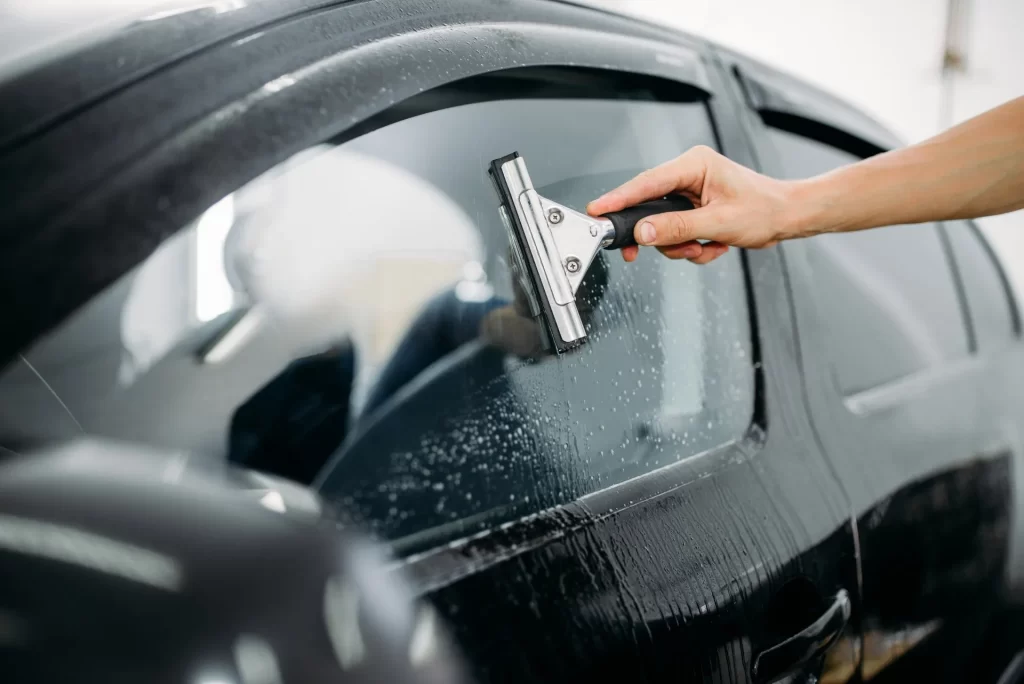
Car window tinting is an increasingly popular service for vehicle owners, not only for its aesthetic appeal, but also for the numerous practical benefits it offers. Despite varying car window tinting prices, investing in this service can be a wise decision that enhances your driving experience and protects your vehicle. This article will discuss some of the most significant benefits of car window tinting and why it’s worth considering for your vehicle.

Enhanced Appearance 

The most obvious advantage of car window tinting is its ability to enhance the appearance of a vehicle. Tinted windows give a sleek, polished look to your car, making it stand out from other vehicles on the road. Choosing the right shade of tint can complement your vehicle’s paint job and overall aesthetic, adding a touch of sophistication and class to your ride. Although car window tinting prices can vary depending on your chosen provider, vehicle and window type, car owners generally find the process of getting their windows tinted well worth the cost.

Increased Privacy & Security

Tinted windows provide an added layer of privacy and security for car owners. With darker shades of tint, it’s more difficult for passers-by to see the interior of your vehicle, keeping your belongings and passengers hidden from prying eyes. This added privacy can deter potential thieves from targeting your car, as they’re less likely to spot any valuable items inside.

Protection from Harmful UV Rays

One of the most practical benefits of car window tinting is the protection it offers from harmful ultraviolet (UV) rays. High-quality window tints can block up to 99% of these damaging rays, which are not only known to cause skin cancer, but can also fade and damage your car’s interior over time. By investing in car window tinting, you can extend the longevity of your vehicle’s upholstery and dashboard. 

Reduced Glare & Improved Visibility

Driving in bright sunlight or with the sun low on the horizon can cause significant glare, making it difficult to see the road ahead and increasing the risk of accidents. Car window tinting can help to reduce this glare by filtering out bright light, leading to improved visibility and a safer driving experience. This benefit is particularly important for those who spend long hours on the road. 

Enhanced Climate Control

Tinted windows can contribute to a more comfortable driving environment by helping to regulate your car’s interior temperature. In hot weather, window tints can prevent excessive heat buildup inside your vehicle by reflecting sunlight and reducing the amount of heat that enters your car. This decreased heat can lead to less reliance on air conditioning, ultimately saving you money on fuel consumption.

Increased Glass Safety

In the event of an accident, car window tinting can provide increased safety by holding shattered glass together. The tint film acts as a barrier, preventing glass shards from causing further harm to passengers during a collision or impact. This added layer of protection can be especially beneficial for those who regularly travel with young children or pets in their vehicles.

Conclusion

Car window tinting offers numerous benefits that make it worth the car window tinting prices. From improved appearance to increased security and protection from harmful UV rays, it’s clear that car window tinting is a smart choice for those looking to improve their driving experience and protect their vehicle. 


Have you ever been far from home just driving and chilling when your vehicle experiences a machinery failure? Despite your efforts, it was unable to be fixed. In such cases, the services of a tow truck become crucial in providing you with assistance. This article will talk about the benefits of availing the services of professional tow truck service providers. 

Reasons To Call A Professional Towing Service 

There are several benefits of calling a professional tow service. Here are three main reasons to consider to avail the services of a tow truck service provider. 

·       Quick Assistance 

One of the biggest advantages of availing the services of a slide car [รถสไลด์, which is the term in Thai] or a tow truck service provider is to be rescued quickly. If your transport breaks down at an unforeseen time such as midnight, a tow truck can transport it safely to the desired location. This service is crucial when you are stuck on a busy road or unsafe area. 

·       They Are Readily Available

Breakdowns and accidents occur when you least expect it and at the most important time. You may be stuck either on a highway or in the middle of anywhere at any hour without any assistance. Fortunately, respectable and professional towing services are available and provide their services 24*7. So, if you get stuck with your faulty car on a highway or any place at the time, you just need to call a qualified towing service provider. They will make sure to transport your vehicle safely. 

·       Convenient And Time-Saving 

Dealing with a car breakdown can be mentally exhausting, especially when it happens at an important time. However, calling a towing service provider can provide little relief to you. Moreover, the services of a slide car or tow truck will save you time and effort. 

A tow truck service provider will take care of all the logistics required. This will allow you to focus on more important things such as contacting your insurance company or arranging transportation. 

In A Nutshell 

The reasons mentioned above should be sufficient to understand the services of a tow truck provider. They offer you mental peace and assistance during unexpected breakdowns at affordable pricing. Their assistance helps you to reduce the inconvenience and transport your vehicle safely to the desired location. Additionally, they offer skilled personnel to ensure that you get help quickly and safely. 

In the ever-evolving landscape of the automotive industry, innovative advancements continue to reshape the way vehicles are transported from one location to another. Among the latest breakthroughs, aluminum car haulers have emerged as a game-changer, revolutionizing the efficiency, durability, and sustainability of automotive transport. By combining lightweight construction with uncompromising strength, these modern marvels have quickly gained traction, offering a host of benefits for manufacturers, dealerships, and car enthusiasts alike. In this article, we delve into the world of aluminum carhaulers, exploring their key features, advantages, and the impact they have on the future of automotive logistics.

Unmatched Efficiency and Payload Capacity:
The utilization of aluminum in car hauler construction has proven to be a game-changer, offering unparalleled efficiency and enhanced payload capacity. Thanks to its lightweight nature, aluminum enables car haulers to transport more vehicles while reducing fuel consumption and operating costs. With lower weight, these haulers deliver improved fuel efficiency, allowing for longer journeys with fewer stops for refueling. Additionally, the increased payload capacity means that more vehicles can be transported in a single trip, resulting in optimized logistical operations and reduced carbon emissions.

Durability and Strength:
Contrary to misconceptions about aluminum’s strength, modern engineering techniques and advancements have made aluminum car haulers incredibly robust. Manufacturers employ innovative construction methods, such as reinforced aluminum alloys and structural design enhancements, to ensure these haulers withstand the demanding rigors of automotive transportation. By integrating strength and durability, aluminum car haulers offer a reliable and long-lasting solution, reducing the need for frequent repairs and replacement parts.

Corrosion Resistance and Longevity:
One of aluminum’s standout qualities is its inherent resistance to corrosion. Unlike traditional steel car haulers, aluminum counterparts are not susceptible to rust or degradation when exposed to environmental elements. This corrosion resistance extends the lifespan of aluminum car haulers, reducing maintenance costs and ensuring sustained performance over an extended period. With increased longevity, manufacturers can enhance their return on investment while promoting sustainable practices through reduced waste and resource consumption.

Enhanced Maneuverability and Safety:
Aluminum car haulers provide enhanced maneuverability, making them more agile and adaptable in various transport scenarios. The reduced weight of aluminum allows for improved handling, easier navigation through tight spaces, and smoother acceleration and braking. Additionally, the lightweight construction contributes to safer transportation by minimizing the risk of rollovers and tire blowouts, ultimately prioritizing the protection of both the transported vehicles and the drivers.

Sustainability and Environmental Impact:
As the world continues to prioritize eco-friendly practices, the introduction of aluminum car haulers aligns perfectly with sustainability goals. Their lightweight construction significantly reduces fuel consumption, resulting in fewer greenhouse gas emissions and a smaller carbon footprint. By choosing aluminum car haulers, automotive manufacturers and logistics companies can contribute to a greener future while meeting regulatory standards and consumer demands for environmentally conscious solutions.

Conclusion:
Aluminum car haulers represent a groundbreaking innovation within the automotive transport industry. With their unmatched efficiency, durability, and sustainability features, they offer a new standard for transporting vehicles, paving the way for a more streamlined, environmentally friendly future. As technology continues to advance, it is foreseeable that aluminum car haulers will become the go-to choice for manufacturers, dealerships, and transport companies looking to optimize their operations while minimizing their impact on the environment. With aluminum car haulers leading the charge, the automotive logistics industry is entering an exciting era of efficiency and sustainability.


Think that you have made the decision to sell your dependable bike, and you’ve located someone who will buy it from you for the price you desire. You are thrilled with the sale and eager to receive the cash. But first, there’s something crucial you need to do: finish the required documentation. Then hand over the keys and take the money. Although it may seem laborious, completing the necessary paperwork when selling your bike is essential to safeguard both you and the buyer from any unforeseen legal or financial concerns. In this post, we’ll explore the reasons why documentation is necessary when you are about to sell big bike (ขายบิ๊กไบค์, term in Thai) as well as the forms that must be filled out in order to complete the sale.


Defending both yourself and the customer


To protect both you and the buyer, paperwork is a necessity when selling your bike. Make sure you’re not held accountable for any problems that develop after the sale when you transfer ownership of a vehicle. You are able to safeguard yourself against any financial or legal implications of the transaction by completing the required documentation.


Similar to this, the buyer must make sure they have the legal right to own the bike and that it is not stolen or encumbered in any way. Buyers can safeguard themselves from potential legal or financial problems by completing the necessary papers.


Get a bill of sale: You can get a bill of sale template from the department of motor vehicles (DMV) in your state or online. The date of the sale, the names and addresses of the buyer and the seller, the make, model, and year of the bike, as well as the transaction price, should all be listed on the bill of sale.

Transferring the Certificate of Title: When selling a bicycle, the seller must sign and provide the buyer with the certificate of title. In some cases, if the original title is lost or stolen, the seller might need to request a duplicate from the DMV.

Complete the Liability Release: Once the bike has been sold, the seller is shielded by a release of obligation from any legal or financial liability. The seller and the buyer should both fill out and sign this document.

Fill out the odometer disclosure form: An official document that attests to the accuracy of the bike’s odometer reading is called the odometer disclosure statement. Both the buyer and the seller must fill out and sign this form.

Any further essential documentation, such as the owner’s manual, warranty details, and maintenance logs, must be provided to the buyer by the seller. Therefore, it’s crucial to finish the required papers when selling your bike in order to protect both yourself and the buyer. A bill of sale, title certificate, liability release, odometer disclosure statement, and other pertinent papers are needed. You can assure a smooth and successful bike sale by taking the right actions and completing the necessary paperwork. Take advantage of a hassle-free service before selling your bike on a reliable platform. They are dependable and can speed-up the procedure.

When it comes to shipping your car to Florida, choosing the right auto transport service is crucial. With so many options available, it can be difficult to know which company to trust with your vehicle. In this blog, we will provide you with some tips on how to choose the right auto transport service for shipping your car to Florida.

  1. Research Multiple Companies

The first step in choosing the right auto transport service is to research multiple companies. Look for companies that specialize in Auto transport Florida and have experience shipping cars to and from Florida. Check their reviews, ratings, and references to ensure that they have a good reputation for reliability, safety, and customer service.

  1. Compare Services and Prices

Once you have a list of potential auto transport companies, compare their services and prices. Look for companies that offer a variety of services, such as open or enclosed transport, door-to-door or terminal-to-terminal delivery and expedited or standard shipping. Compare their prices and ensure that you understand any additional fees or charges that may be added.

  1. Check for Licenses and Insurance

It’s important to ensure that the auto transport company you choose is licensed and insured. Check with the Federal Motor Carrier Safety Administration (FMCSA) to ensure that the company has an active Motor Carrier (MC) number and USDOT number. This information can also be found on the company’s website. Additionally, check the company’s insurance policy to ensure that your vehicle will be fully covered during transport.

  1. Verify Their Equipment and Facilities

Another important factor to consider when choosing an auto transport service is the quality of their equipment and facilities. Look for companies that have well-maintained trucks and trailers and a secure facility for storage and loading. This will ensure that your vehicle is protected from damage or theft during transport.

  1. Check for Customer Service

Finally, it’s important to consider the quality of customer service provided by the auto transport company. Look for companies that have dedicated customer service representatives who are available to answer your questions and provide updates on your shipment. Additionally, look for companies that have a clear and transparent process for filing claims if your vehicle is damaged during transport.

In conclusion, choosing the right auto transport service is essential for a smooth and stress-free experience shipping your car to Florida. Research multiple companies, compare their services and prices, check for licenses and insurance, verify their equipment and facilities, and check for customer service. By following these tips, you can ensure that your vehicle is shipped safely and reliably to its destination.

  1. Look for Specialized Expertise

When choosing an auto transport service for shipping your car to Florida, consider looking for companies that have specialized expertise in transporting specific types of vehicles. For example, if you own a classic car, look for companies that have experience transporting vintage or high-end vehicles. This will ensure that your vehicle is handled with the care and attention it deserves during transport.

  1. Read and Understand the Contract

Before choosing an auto transport service, make sure to carefully read and understand the contract. This will ensure that you know exactly what services are being provided, what the price includes, and what your responsibilities are as the owner of the vehicle. Make sure to ask any questions or raise any concerns you have before signing the contract.

  1. Get a Written Quote

Make sure to get a written quote from the auto transport company before committing to their services. This will help you avoid any unexpected fees or charges and ensure that you have a clear understanding of the cost of shipping your vehicle to Florida.

  1. Plan Ahead

Finally, it’s important to plan when shipping your Car Hauler South Florida. Give yourself plenty of time to research auto transport companies, compare services and prices, and decide. This will help you avoid last-minute stress and ensure that your vehicle is shipped safely and on time.

In conclusion, choosing the right auto transport service for shipping your car to Florida requires careful research, comparison, and consideration of various factors. Look for companies with specialized expertise, read and understand the contract, get a written quote, and plan. By following these tips, you can ensure that your vehicle is transported safely and reliably to its destination.

Keeping your car looking clean and shiny can be a daunting task, but with the right techniques and products, it can be done quickly and easily. Detailing your car involves cleaning, restoring, and protecting every aspect of your vehicle, from the exterior to the interior. In this article, we’ll provide the ultimate guide to detailing your car, including the best products and techniques to make your car shine like new.

Exterior Detailing

Wash and Dry: The first step in detailing your car is to wash and dry the exterior. Use a high-quality car wash soap and a microfiber wash mitt to avoid damaging the paint. Rinse thoroughly and use a chamois or microfiber towel to dry the car.

Clay Bar: To remove any remaining contaminants, use a clay bar. This will remove any impurities that remain after washing and leave the surface of the car smooth and ready for polishing.

Polish: Apply a high-quality car polish to restore the shine and gloss of your car’s paint. Use a dual-action polisher for the best results.

Wax: Apply a layer of car wax to protect your car’s paint and give it a long-lasting shine. Use a high-quality carnauba wax or synthetic wax for the best results.

Interior Detailing

Vacuum: The first step in interior detailing is to vacuum the interior. Use a crevice tool to reach tight spaces and remove any debris.

Clean Surfaces: Use an all-purpose cleaner to clean the dashboard, door panels, and other surfaces. Use a microfiber towel to avoid leaving behind streaks or residue.

Carpet and Upholstery: Use a carpet and upholstery cleaner to remove any stains or dirt from your car’s seats and carpets. Follow the instructions on the cleaner carefully for the best results.

Leather: If your car has leather seats, use a leather cleaner and conditioner to keep them looking clean and soft. This will help prevent cracking and fading over time.

Tips and Tricks

Use the right products: Using high-quality car detailing products can make a big difference in the quality of your results. Look for products that are specifically designed for cars and use them as directed.

Take your time: Detailing your car can take time, so be patient and take your time to ensure that every surface is cleaned and protected.

Don’t forget the wheels: The wheels are an important part of your car’s appearance, so don’t forget to clean and polish them as well. Use a wheel cleaner and a microfiber towel to remove brake dust and other debris.

Protect your car: After detailing your car, consider using a car cover or garage to protect it from the elements. This will help keep your car looking its best for longer.

Conclusion

Detailing your car can be a time-consuming process, but the results are worth it. By following the steps outlined in this guide and using high-quality products, you can keep your car looking clean and shiny for years to come. Remember to take your time, use the right products, and protect your car from the elements for the best results. With these tips in mind, you’ll be able to detail your car like a pro and enjoy a car that looks like new.

Every vehicle owner knows that timely oil changes are essential for maintaining a healthy engine. One important tool that simplifies this process and makes it more efficient is a full oil drain tank system. In this article, we’ll explore the key reasons why you need one in your garage and how it can improve your oil change routine.

1. Efficiency & Safety: No More Messy Oil Changes

When you use a full oil drain tank system, the process of changing oil becomes a clean and efficient operation. Gone are the days of spilled oil and messy garage floors. A well-designed oil drain tank can be easily positioned under the vehicle, collecting the used oil without any spills or splashes. This not only saves your garage floor from a mess but also keeps you safe by preventing slips and falls caused by slippery oil.

2. Impressive Capacity and User-Friendly Design

A high-quality oil drain tank system comes with a large capacity tank that can hold up to 16 gallons of waste oil, eliminating the need for frequent emptying. With a larger capacity, you can perform multiple oil changes without worrying about where to dispose of the used oil. Also, an ergonomic design ensures easy handling and maneuverability, making the process hassle-free.

3.    Built-in Fluid Evacuation System

A standout feature of a full oil drain tank system is the built-in fluid evacuation system. This enables you to easily transfer the waste oil from the tank to an appropriate disposal container. With the help of a properly equipped oil drain tank system, you no longer need to lift heavy and cumbersome pans to dispose of the used oil.

4. Environmentally Responsible Waste Disposal

Disposing of used oil in an eco-friendly manner is vital for ensuring a cleaner environment. An oil drain tank system allows you to collect and contain used oil before recycling or safe disposal in compliance with local regulations. By using such a system, you contribute to environmental sustainability and demonstrate your commitment to responsible waste disposal.

5. Cost-Efficient Investment

While purchasing an oil drain tank may initially seem like an extra expense, it is a wise investment in the long run. A full oil drain tank system with an impressive capacity and multiple features saves both time and money. You no longer need to invest in disposable containers or clean up oily messes in your garage. The time saved during an efficient oil change process also translates to cost savings.

Conclusion

Adding a full oil drain tank system to your garage brings substantial benefits. From improving the efficiency and safety of oil changes to contributing to environmental responsibility, an oil drain tank system is a valuable addition to your maintenance toolkit. So, if you’re looking to simplify your oil change routine, investing in a high-quality system is an excellent decision.