Tag

highway

Browsing

Buying a car touches your savings and the way you are going to feel every day, being on the road. Thinking of buying a car will lead to thoughts about the car and the typical day’s life of a driver driving around. Many people meet a seller with no plan, and the price keeps creeping up as they agree to things. A short checklist changes that. When you arrive with notes and comparison prices, contact space city toyota becomes just one small task instead of the whole mission.

Know Your Needs

Before considering the price, determine the type of vehicle that is compatible with your lifestyle. Take into account the number of passengers, their bags, and the driving environment, whether it’s urban or highway. Also, factor in your driving frequency. Then, decide on a short list of features that you cannot do without; for instance, such as safety technology or space. When you have determined what is important, it becomes easier to turn a blind eye to the luxuries that will only make the price higher.

Set A Spending Limit

  • First and main, the most essential milestone is to set up a price range so that it will allow you to calm your fears at some point in the process. 
  • Apart from the promotional price, it is strongly recommended to recollect all prices related to gasoline, coverage, preservation, parking, and maintenance. 
  • Pay attention to 3 numbers: one for the first-class circumstance, one for an affordable fee, and one for your absolute restriction.
  •  Promise yourself you will walk away if the offer crosses that figure.

Study Real Market Prices

Then you can look through the real world to find out what prices the vehicle in question is similar to. Look through online ads and local classified ads and try to find a similar model, year, mileage, and condition. Write down the prices you see – maximum and minimum. This range becomes your guide and gives you proof when you explain your offer.

Inspect And Test Drive

Vehicle selection based on the money factor is always a good idea. Just imagine who will be riding along, how much their luggage will be, and if the route is through the city or on the highway. Furthermore, think about the driving frequency. Take your time walking around the car and try to discover if there are any rusty spots, dents, and paint differences, as well as bad tires. Inside the car, inspect the upholstery for any signs of wear, and at the same time check the monitors, switches, and signals. While driving, be alert for odd noises and judge the condition of the steering and brakes. Any problem you detect can justify a lower price or a decision to leave.

Plan The Conversation

Good negotiation feels relaxed, but it works best with a short plan.

  • Start with an offer below your fair price so you have room to move
  • Give one or two reasons for your number, then stay quiet
  • If the seller pushes back, move in small steps and stay polite, ready to walk away

Check The Whole Offer

When the seller prepares an offer, read it slowly from top to bottom. Look at taxes, registration, added products, service plans, and any finance costs. Ask about every line you do not understand and remove anything you did not ask for. Some deals seem cheap but hide cost in small print, so a few extra minutes here can save real money.

Use Your Checklist

On the day you decide, keep your notes in front of you. Check needs, budget, inspection points, and total cost before you say yes. Compare this offer with one or two others and trust how it feels. When you treat contact space city toyota as one small stop in your search, you stay in charge of where you buy and what you pay.

Strong buyers do not rely on luck; they rely on habits. First, choose the right vehicle for you, then set a budget you don’t mind living with, find out the real price, and read all clauses carefully before signing the contract. With this checklist, price negotiation is a normal part of the buying process, and you can feel relaxed and confident about the deal you’re making.
Obtaining a driving license and confidently navigating the roads are fundamental steps for any resident in the UAE. The process, governed by regulatory bodies like the Roads and Transport Authority (RTA) in Dubai, is rigorous and ensures every driver is well-versed in both general road safety and the specific, often complex, local regulations. Central to this training are the rules governing roundabouts, a common feature of the UAE’s road network.

This guide explores the structure of driving classes in Dubai and details the crucial roundabout rules UAE drivers must follow to ensure safety and avoid penalties.

Part 1: Driving Classes in Dubai – The Path to Proficiency

The process of securing a light vehicle driving license in Dubai is highly standardized, mandatory for all new drivers and those whose existing foreign licenses are not eligible for direct exchange.

The Cornerstone of Training: Theoretical and Practical Hours

The foundation of the licensing journey is built on mandatory hours of instruction tailored to the applicant’s existing experience:

  • Theoretical Classes: This initial phase requires attendance at lectures covering the official curriculum. Topics include traffic laws, critical safety principles, road signs, and the basics of accident prevention. Passing the subsequent Knowledge Test is a non-negotiable prerequisite to beginning hands-on driving.
  • Practical Training Hours: The number of hours mandated by the authority depends on prior experience, ensuring adequate exposure to driving scenarios:
    • Absolute Beginners: A minimum of 20 hours of practical lessons.
    • Intermediate Experience (2-5 years licensed): A minimum of 15 hours of practical lessons.
    • Experienced Drivers (Over 5 years licensed): A minimum of 10 hours of practical lessons.

This structured training, delivered by certified instructors at approved driving schools, systematically prepares the learner for the complexities of urban and highway driving.

The Final Assessments

The training culminates in a series of mandatory examinations designed to test the learner’s skill under pressure:

  1. Internal Assessments: The driving school conducts internal tests (including initial parking and maneuver assessments) before permitting the learner to sit for the official examinations.
  2. The RTA Yard Test: This test evaluates the driver’s ability to perform essential low-speed maneuvers like parallel and angle parking within a controlled environment.
  3. The Final RTA Road Test: This is the ultimate, non-negotiable hurdle. An official RTA examiner evaluates the driver’s overall skill, confidence, lane discipline, signaling accuracy, and adherence to all traffic laws on public roads.

Failure at the final road test requires the applicant to book a minimum of four additional practical training hours before a retest can be scheduled, adding both time and cost (with the RTA test rebooking fee being around 200 AED plus additional administrative charges) to the process.

Part 2: Mastering the Circle – UAE Roundabout Rules

Roundabouts are engineered to maintain smooth, continuous traffic flow, but they demand precise adherence to a set of rules unique to this type of intersection. Mismanaging a roundabout is a common cause of accidents and can lead to significant penalties.

The Golden Rule: Right of Way

The most critical principle governing all UAE roundabouts is: Vehicles already inside the roundabout have the absolute right of way.

  • Drivers approaching the circle must Yield to any traffic coming from the left (which is already circulating). You must wait until there is a safe, sufficient gap before entering. Never force your way into the flow of traffic.

Lane Discipline and Intent

Correct lane choice and adherence are crucial for safe navigation, particularly on multi-lane roundabouts:

Intended ExitCorrect Lane on Entry (General Rule)Signaling on Entry
First Exit (Turning Right)Right-most laneSignal right immediately upon approach.
Second Exit (Going Straight)Right lane or Center lane (Check road markings)Do not signal.
Third Exit (Turning Left)Left laneDo not signal.
Fourth Exit (U-Turn)Left-most laneDo not signal.

Signaling and Exiting

The correct use of indicators is essential inside the roundabout:

  • Circulating: Once inside the roundabout, do not use your indicator until you are preparing to exit (unless you initially signaled right for the first exit).
  • Exiting: You must signal right immediately after passing the exit before the one you intend to take. This alerts drivers behind you and those waiting to enter the circle of your departure, allowing them to proceed safely.
  • Lane Change (Prohibited): It is illegal and highly dangerous to change lanes while circulating inside a multi-lane roundabout. You must maintain the lane you chose on entry until you exit.

Penalties for Roundabout Violations

Violating lane and right-of-way rules within roundabouts can result in significant financial consequences, typically ranging from 400 AED to 800 AED, often accompanied by demerit black points on the driver’s license. Serious offenses, such as failing to yield and causing a collision, can lead to much higher fines and substantial black point accumulation.

By mastering the principles taught during driving classes in Dubai, particularly the strict rules governing roundabouts, drivers ensure their safety, adhere to the law, and contribute to the overall traffic efficiency of the UAE.

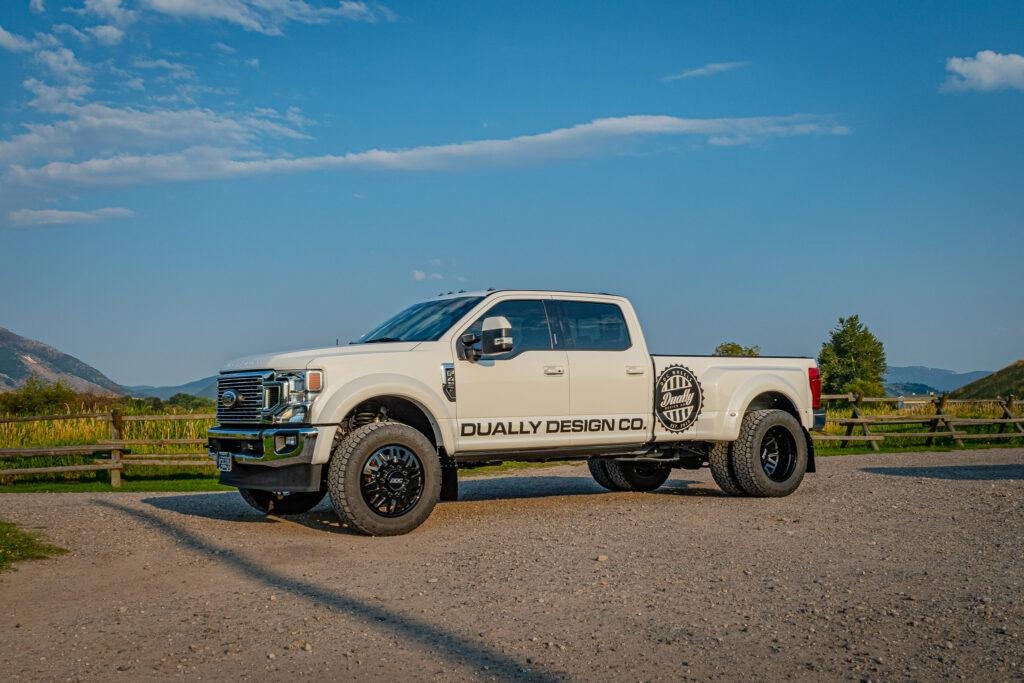
I’ve spent enough time around heavy pickups to see the same pattern play out again and again. People get serious about their truck, then start hunting for wheels, then get hit with a wall of confusing options.

You probably know that feeling.

That’s exactly why I’m writing this. I’ve seen what works, why it works, and where people waste money without getting anything in return.

And one thing I’ll tell you early, before we get deeper into the steps, is that companies with proven engineering are the ones that consistently deliver the results people expect. That’s why I usually point people toward brands with real design depth, like DDC Wheels, whose lineup covers everything from forged dually wheels to matched inner and outer sets that bolt directly to OEM chassis.

You’ll see why this matters in a second.

In this guide, I’m walking you through the process I’ve used to help people compare dually wheels, understand real quality markers, and choose wheels that actually improve fit, stability, and long term reliability.

By the time you finish this, you’ll know exactly how to pick the right setup for your Chevy, Ford, GMC, or Ram dually without second guessing every detail.

Let’s get into it.


Step #1: Start With The Fit, Not The Finish

Most people start by judging the look.

I start with the fit.

If the wheel design isn’t made for direct bolt-on installation, you’re instantly dealing with adapters, spacers, and extra hardware you don’t need.

This is where DDC stands out. They engineer their wheels to fit OEM dually chassis across all six positions, which means front, inner, and outer fit the way they should.

No added parts. No compromises.

When you get true hub centric fitment, you get stability that cheap dually rims can’t match. And the truck feels different right away. You’ll notice it in towing, braking, and long highway drives.


Step #2: Compare Load Ratings Before Anything Else

Here’s something I tell people all the time.

If you own a heavy pickup, your wheels aren’t a cosmetic decision. They’re part of your truck’s safety system.

That’s why load ratings matter more than any finish or style.

A solid benchmark is this:

  • Cast wheels that can carry both axles with a combined 20,000 pounds
  • Forged wheels that hit 24,000 pounds combined
  • Per-wheel ratings around 4,000 pounds on both front and rear positions

That’s the level DDC builds to, and it’s the level I look for when helping someone choose between forged dually wheels, GMC 3500 dually wheels, Ford dually wheels, or specialized setups for Ram and Chevy trucks.

Anything lighter than these numbers is just unnecessary risk.


Step #3: Match Your Wheel Design To Your Use Case

Different designs are built for different goals.

If you want something bold and structured, The Shield or The Ten might be closer to your style.

If you want a design with sharper detail, The Mesh Forged or The Spoke Forged deliver a more aggressive profile.

And if you want something that brings a wide stance with a clean cut, the Aftermath design is one of the more versatile options.

The key is making sure the inner wheels match the outers. DDC solves this with inner wheels that follow the same styling and come in raw machined or black finishes. Matching your inner and outer wheels creates a complete look instead of a mismatched setup that looks unfinished.

This is one of those details many people overlook until the wheels are installed.


Step #4: Choose The Right Tire Width Support

A lot of dually owners underestimate the role of tire width.

Here’s the quick guide I use:

  • 20 inch wheels that support up to 12.50 inch wide tires
  • 20 inch Shield designs that support up to 11.50 inches
  • 22 and 24 inch wheels that support wider profiles like 315/45R24 or 315/50R24

If your wheel design doesn’t support the tire you want, you get rubbing, heat buildup, and reduced contact patch.

This is why I always check each design’s max width support before making any recommendations.


Step #5: Use Materials And Hardware As A Quality Filter

One of the easiest ways to judge a dually wheel brand is to check their hardware.

If you see plastic center caps, skip it.

If the lug covers feel cheap, skip it.

If the bolts look like low grade imports, skip it.

Companies building real wheel systems use:

  • Aluminum center caps
  • Billet lug covers
  • Stainless cap bolts
  • Precision machined fitment

DDC removes plastic from their packages entirely. That tells me they expect their wheels to live through salt, towing, winter roads, dirt, and actual mileage. That’s the standard you should expect from anyone making aftermarket dually wheels.


Step #6: Choose A Brand With Real Engineering Behind It

Here’s the honest truth.

The dually wheel market is full of options, but very few companies design a full matched six wheel system with high load ratings, real machining, consistent finishes, and a true bolt-on process.

And that’s the main reason I recommend DDC to people comparing dually rims across Chevy, Ford, GMC, and Ram trucks.

They build for strength.
They build for direct fit.
They build with real materials instead of shortcuts.

You get function and design without chasing adapters or worrying about inner wheel mismatch.

If you want wheels that last, track straight, and carry real weight, brands with this type of engineering are the ones worth your time.


Final Thoughts

If you follow the steps above, you’ll avoid the usual traps and spend your money on wheels that actually make your truck better.

Start with fit.
Check the load rating.
Match the design.
Verify tire width.
Inspect materials.
Choose engineering over hype.

Once you do that, the right choice becomes clear.

And if you want a place to start, the lineup at DDC gives you every major style, every major fitment, and the kind of build quality that takes the guesswork out of the process.

You’ll feel the difference.

Curacao, a jewel in the southern Caribbean, is famous for its turquoise waters, pristine sandy beaches, and year-round sunshine. Whether you’re a beach lover, snorkeler, or simply seeking a relaxing day under the sun, the island has something for everyone. While some beaches are easy to access, many of Curacao’s hidden gems are best explored with a rental car. Renting a car not only gives you freedom and flexibility, but it also allows you to reach remote beaches, navigate varying road conditions, and stop along the way at other must-see spots.

In this guide, we highlight the top 10 must-visit beaches in Curacao and explain why having a rental car is the ideal way to experience them.

1. Playa Knip (Kenepa Beach)

Playa Knip is one of the most famous beaches in Curacao, known for its dramatic cliffs, crystal-clear waters, and ideal snorkeling conditions. The beach is divided into two sections: Knip Beach and Knip Little Beach, both offering stunning views and a serene environment.

Getting There with a Rental Car: The roads to Playa Knip are paved but narrow in some areas, so a compact or SUV rental works well. Parking is available on-site, though it can fill up quickly during peak hours. Along the way, you’ll pass scenic viewpoints perfect for photos of the coastline.

2. Cas Abao Beach

Cas Abao is a picture-perfect beach with white sand, calm waters, and excellent snorkeling opportunities. Facilities include restaurants, restrooms, and shaded areas.

Getting There with a Rental Car: The beach is accessible via well-maintained roads, and parking is plentiful. Renting a car allows you to visit early in the morning before crowds arrive, and you can explore nearby beaches like Porto Mari for a full day of seaside adventure.

3. Playa Porto Mari

Playa Porto Mari is famous for its double reef, making it ideal for snorkeling and diving. It features picnic areas, bars, and lounge chairs for a relaxing beach day.

Getting There with a Rental Car: The paved road leading to Porto Mari is straightforward, and onsite parking is available. With a rental car, you can combine your visit with nearby beaches and natural attractions like the Christoffel National Park, just a short drive away.

4. Playa Lagun

Playa Lagun is a small cove popular with snorkelers and divers due to its calm waters and vibrant marine life. The beach has a more secluded vibe, making it ideal for quiet relaxation.

Getting There with a Rental Car: The road to Playa Lagun is partially paved, with some narrower turns that require careful driving. Having a rental car ensures you can stop at Grote Knip and other viewpoints along the way. Parking is limited, so early arrival is recommended.

5. Mambo Beach (Seaquarium Beach)

Mambo Beach is lively, with a long promenade featuring restaurants, bars, and shops. It’s perfect for visitors who enjoy a mix of beach and entertainment.

Getting There with a Rental Car: Located near Willemstad, Mambo Beach is easily accessible via well-paved roads. Ample parking is available near the promenade, making it convenient for families or large groups.

6. Playa Jeremi

Playa Jeremi is a hidden gem with a serene atmosphere, perfect for those seeking a peaceful beach experience. It has soft sand, clear waters, and limited crowds.

Getting There with a Rental Car: The road to Playa Jeremi is mostly paved but becomes slightly rough closer to the beach. A compact car or SUV rental is ideal. The beach has parking for a few vehicles, so arriving early is recommended.

7. Kenepa Grandi

Kenepa Grandi, also known as Grote Knip, is famous for its stunning cliffs and panoramic ocean views. It’s a favorite spot for photographers and snorkelers.

Getting There with a Rental Car: The road is mostly paved, but it narrows in sections. With a rental car, you can stop at nearby Klein Knip for an equally breathtaking but less crowded experience. Parking is available at the entrance.

8. Playa Kalki

Playa Kalki is known as Alice in Wonderland Beach for its exceptional snorkeling and diving. The waters are calm and clear, perfect for underwater exploration.

Getting There with a Rental Car: The beach is accessible via paved roads, with parking available close to the sand. A rental car allows you to explore nearby attractions like Westpunt, where the landscape is rugged and beautiful.

9. Cas Abao Beach

Not to be confused with Cas Abao, this small beach offers seclusion and quiet waters. It’s ideal for travelers seeking privacy and relaxation.

Getting There with a Rental Car: While the roads are well-paved, they are narrow in some stretches. Having a rental car allows you to easily access this hidden beach and enjoy flexible arrival and departure times.

10. Klein Curacao (Little Curacao)

Klein Curacao is an uninhabited island off the southeast coast, famous for its white sand beaches, lighthouse, and incredible snorkeling.

Getting There with a Rental Car: To reach the boat dock for Klein Curacao, you’ll need a rental car to navigate the island’s roads. The roads leading to the docking point may be rough and require careful driving. Parking is available near the port. Renting a car ensures you can manage your schedule and combine your trip with other nearby attractions.

Benefits of Using a Rental Car to Visit Curacao’s Beaches

Flexibility and Freedom

A rental car allows you to create your own schedule, visit multiple beaches in one day, and stay as long as you like at each location. You’re not dependent on taxis or public transport timetables.

Access to Remote Beaches

Many of Curacao’s best beaches are off the beaten path. With a rental car, you can easily reach secluded spots, hidden coves, and scenic viewpoints that are difficult to access otherwise.

Convenient Parking

Most of Curacao’s beaches have dedicated parking areas. Renting a car ensures you have a place to park without relying on taxis or walking long distances from public transportation stops.

Road Conditions

Curacao has a mix of paved and rough roads. While main highways are smooth and well-maintained, some hidden beaches require navigating narrower or uneven paths. A rental car gives you the flexibility to drive safely and comfortably, with options ranging from compact cars to SUVs or 4x4s for rugged terrain.

Combine Beach Trips with Other Attractions

With a rental car, you can combine beach visits with other island experiences, such as exploring national parks, historical landmarks, or scenic viewpoints. It’s the perfect way to make the most of your day on the island.

Conclusion

Exploring Curacao’s top beaches is a must for any visitor, and having a rental car makes it easy, convenient, and enjoyable. From lively beaches like Mambo Beach to secluded gems like Playa Jeremi and Klein Curacao, a rental vehicle provides the freedom to explore the island at your own pace, reach hidden spots, and enjoy all that Curacao has to offer. Whether you’re planning a family trip, a romantic getaway, or a solo adventure, renting a car ensures that every beach day is a perfect experience.

Hauling a car across state lines in Australia isn’t something you do every day — and it doesn’t come cheap. If you are purchasing a car across state lines or moving out of your current state, understanding how interstate car towing services rates are determined will save you a lot of headache and unexpected expenses.

Here’s a definitive, yet plain English, explanation of what factors determine your final towing bill — and how much it might set you back.

Average Price Range in Australia

The average cost of cars towing from state to state (across Australia) is between $400 to $1,500. The actual price you’ll pay will vary depending on a combination of distance, type of car, towing technique, and extras.

For example:

  • The shorter ones (less than 300 km) could be US$400 – $700.
  • Intermediate distances (300 – 800 km) typically vary from $700 – $1;000
  • Long hauls (over 800 km) can cost $1,500 or more

Do your due diligence and always compare interstate car towing services before you make your commitment.

What Factors Influence the Price of Pulling a Vehicle on the Highway?

  • Distance Matters Most

More money will be charged to you if your vehicle has to go further. That’s because of additional fuel, time, and labour. And finally, out of the way or hard to reach areas can end up costing extra because of detours or special routing.

  • Vehicle Size & Type

Different cars come with different price tags. Here’s a rough idea:

  • Compact or Midsize passenger cars – Base rates apply
  • 4WDs or SUVs – Around $100 – $200 extra
  • Luxury or sports – May want enclosed for protection

High-value vehicles, or those with low ground clearance, might require a little more care — and a higher equipment quote.

  • Towing Method Chosen

Two common methods are:

  • Open towing – More affordable, good for most vehicles
  • Captive towing – Significantly safer but costs up to 50% more

Car aficionados, as well as owners of unique or fragile vehicles, are the ones who make use of enclosed towing.

Special Conditions That Raise Prices

  • Car Condition

Does the car run okay? If not, figure on an extra $50 – $150 for winches, dollies, or labor.

Non-runners, wheels off vehicles, or issues with the steering of the car take more time — and add up to more charges.

  • Timing & Flexibility

Do you require the automobile to be picked up immediately or sent in a hurry? You’ll likely pay a premium. On the other hand, if you are flexible, you can save money — some companies offer discounts on group transport for trips that aren’t time sensitive.

If you can settle for terminal-to-terminal drop-off, as opposed to door-to-door, you may be able to reduce your expense as well.

  • Extras & Insurance

Basic insurance is typically included for most companies, but if you’re shipping a high-end car, you might want extra cover. Options such as GPS tracking, after-hours service, or temporary storage drive the total cost up even more.

How to Save on Towing Fees

  • Book in advance for better pricing and to skip the rush fees
  • Stay away from the holidays where towing is in high demand
  • Consider open towing if your car doesn’t require extra protection
  • Be open with your pickup/drop-off times
  • Always compare interstate car towing services. It always pays to take the time to compare auto towing services.

Tech & Skill Matters

Long-distance cars towing often requires specialised equipment and personnel, not to mention for cars such as delicate, expensive, or modified ones. That’s why selecting the right company is so important.

The good news is that one of the most respected names in this sector is Motorsport Towing, they have a proven record with secured, on time, and reliable car transport nationwide.

Final Word

There are a few moving parts — both figuratively and financially — to towing a car interstate in Australia. From how far you’re moving the car to the kind of car it is, and exactly when it needs to be moved, every detail affects your final cost.

With the right provider, and a little bit of smart planning and flexibility, towing your car across state lines doesn’t have to be a big headache.

Oil changes are essential car maintenance. Technicians and automakers may disagree on oil change frequency. How often you change your oil depends on the type, where you drive, and your car’s needs. Don’t know when to update your car’s oil or obtain professional help? Here are the details to know before you visit Auto Repair Services in Tyler, TX.

Standard Recommendations for Oil Changes

Oil should be changed every 3,000 miles or three months, according to most. This plan used normal oil and older automobiles. Modern engines and complicated synthetic oils have greatly improved. Many automakers recommend oil changes every 5,000, 7,500, or 10,000 miles. Always reference your car’s owner’s manual for manufacturer-approved info.

City Driving vs. Highway Driving

Various weather requires various oil changes. Frequently starting and stopping in cities affects your engine. Driving this way may accelerate oil breakdown. Constant speeds and fewer pauses on a highway reduce engine stress.

Severe Driving Conditions

Driving might cause problems that affect oil change timing. These include short trips (less than five miles), bad weather, heavy lifting, and dusty or sandy conditions. These increase engine oil breakdown and emissions. Those traveling in bad weather should change their oil every 3,000–5,000 miles.

Synthetic vs. Conventional Oil

How often you change your oil depends on its type. In harsh conditions, synthetic oils last longer and function better. Enhanced viscosity retention, sludge reduction, and engine wear protection. No synthetic oil change for 7,500–10,000 kilometres. Use synthetic oil, but check quality and quantity often.

Monitoring Oil Quality

You can determine the best time for an oil change by routinely testing your oil, regardless of kind or driving style. Look for dark, dirty oil, burning smell, or oil level drop. Even if the mileage is unknown, these may indicate an oil change. Changing oil frequently can detect engine troubles early.

The Role of Oil Filters

The purpose of oil filters is to purify engine oil by capturing dirt and particulates. Over time, oil screens clog and lose performance. Change the oil and replace the filter. Protects your engine most. No matter how often you change the oil, the engine will wear out faster and operate poorly without the filter.

When to Contact Professionals

Though many car owners can change their own oil, it’s occasionally advisable to call a pro. Professional mechanics can assist you choose oil, change it and filter, and identify your car’s oil. Professional oil changers check brakes, tires, and fluid levels.

Conclusion

Many considerations go into determining a car oil change frequency. This includes oil type, driving style, and car needs. Regular oil changes prevent costly engine issues and keep it running smoothly. Check oil quality and follow driving style instructions to keep your car running smoothly. Professional assistance can reduce stress and help you maintain your car.


It is a surprisingly common dream held by lots of, particularly white-colored-colored-colored collar workers who feel stuck within the 9-5 office job, to carry all things, open a food van within the used enclosed vehicle trailer and travel the nation selling food, drinks or any other goods. Even if this may appear like a complete fantasy, the quickly reducing price of second hands commercial enclosed vehicle trailers and used equipment ensures that with a few investment and lots of effort, that dream can come true. Although not suggested that folks give everything up and pursue this concept, it’s difficult to deny it’s increasingly more attractive and far simpler to achieve.

Navigating your dreams

Even when you are selecting to look at an illusion or proven fact that you’ve held for almost any extended time, you need to stay realistic if you wish to create a effective business. For instance, intending to travel our planet selling gourmet, Michelin Stars food behind the little, cramped used enclosed vehicle trailer is nearly impossible. Make certain that whatever commercial covered vehicle trailers you consider have sufficient space incorporated following conversion that you need to move and satisfaction in correctly. There might be an chance that you simply become incredibly well-loved and efficient, by which situation you might like to hire additional staff. In this circumstance, maybe there’s enough space that you need to move making food without the potential for injuries? Requirements for example types of exactly what you need to think about.

As with other business, it’s also advisable to completely investigate sector you need to maintain. Maybe there is space to meet your requirements or even can it be a saturated market? Can you really produce a marketplace for that leave? If damaged whipped cream these two questions isn’t any, it is time to return to enter board and re-think your idea or even the chance of beginning the venture. Some would-be entrepreneurs choose to invest all their savings into commercial enclosed vehicle trailers without getting done proper research first. They are frequently playing their commercial covered vehicle trailers wasting away on their own drives plus their old jobs, or sometimes something less thrilling. It might seem like counterproductive to judge and plan the right, if you just don’t, then it will likely be a really short-term dream.

Selecting the best trailer

Unless of course obviously clearly you are really wealthy and possess an incredible understanding of renovating and converting commercial enclosed vehicle trailers, you will need to actually aren’t investing in a complete stinker in the used enclosed vehicle trailer. Cosmetic damage, like scrapes or dents, are super easy to repair but structural or internal damage may become pricey and complex to workout. It’s simpler to cover a bigger wind generator than skimp inside your trailer and handle up getting to cover increasingly more more lower the road simply to keeping it on the highway.

Another aspect that should be considered is space. If you’re searching at selling food, you’ll need somewhere to arrange it, store ingredients, drinks, utensils etc. Lots of food vans use flat tops to arrange their food (i.e. burgers, sausages), which may be quite wide, necessitating room in your trailer. You will observe lots of small commercial covered vehicle trailers available on the market, and it is sometimes complicated to visualise a clip while using the equipment you will need there so don’t hurry into any purchase.