
Tag

conditions

Browsing

Singapore Car Rental functions, in many respects, as an adaptive response to the complex ecosystem of modern urban life, much as organisms develop specialized strategies to navigate their environments. Having spent a lifetime observing patterns in nature, from ant colonies to human societies, I find the phenomenon of vehicle rental in this densely populated island city-state a fascinating case study in how humans create systems to address fundamental needs for mobility and autonomy. The decision to rent a vehicle represents more than mere transportation logistics; it reveals something essential about human behaviour when confronted with the constraints of limited space and the desire for individual agency.

The Ecological Context of Movement

Consider Singapore as a biological system, a carefully managed habitat where 5.9 million humans coexist within 734 square kilometres. Population density exceeds 8,000 individuals per square kilometre, comparable to the crowding observed in certain colonial insect societies. Yet unlike ants or bees, which follow predetermined paths through pheromone trails, humans exhibit a preference for choice in their movement patterns.

Singapore car rental emerges as one adaptive strategy within this constrained environment. The system operates according to clearly defined parameters:

  • Valid driving credentials from one’s country of origin for temporary residents
  • International Driving Permit requirements for specific nationalities
  • Age thresholds typically ranging from 21 to 23 years
  • Financial instruments capable of securing deposits
  • Demonstrated understanding of local regulatory frameworks

The Land Transport Authority states unequivocally: “Motorists must adhere to all traffic rules including Electronic Road Pricing charges during designated periods.” This represents the codification of behaviour, the establishment of social norms through formal regulation, a phenomenon observed across all complex human societies.

Behavioural Patterns and Decision Making

Human decision-making regarding Singapore Car Rental follows patterns that would interest any student of behaviour. The choice involves cost-benefit analysis not unlike that performed by foraging animals weighing energy expenditure against nutritional gain. A family unit must calculate whether the monetary investment in vehicle rental yields sufficient returns in time savings, convenience, and access to resources.

The variables are numerous. Daily rental rates fluctuate based on vehicle size and features. Insurance provisions add layers of security but increase immediate costs. Fuel expenses reflect Singapore’s position as a resource-importing nation, dependent entirely on external energy sources. The Electronic Road Pricing system functions as a form of artificial selection, encouraging behavioural modification through economic incentives.

These calculations demonstrate the remarkable cognitive capacity humans bring to navigating their constructed environments. We weigh multiple variables simultaneously, project future scenarios, and make decisions based on incomplete information, abilities honed through millions of years of evolution.

The Geography of Opportunity

Singapore’s physical landscape, whilst compact, contains remarkable diversity. The island encompasses urbanized cores of extraordinary density, industrial zones of concentrated economic activity, residential sectors of varying character, preserved natural areas including primary and secondary forest, and coastal ecosystems both natural and constructed.

Singapore Car Rental provides access to this ecological and social diversity. The northern territories harbour the Sungei Buloh Wetland Reserve, a critical stopover point for migratory birds travelling the East Asian-Australasian Flyway. The central catchment area preserves tropical forest fragments, remnants of the island’s pre-development ecology. These sites remain challenging to access via public transport optimized for moving large numbers between commercial and residential zones.

The freedom to explore these varied habitats enriches human experience in ways that parallel the benefits animals derive from expanded territories. Greater range typically correlates with increased access to resources, enhanced reproductive success, and improved survival odds. Whilst modern humans face different pressures than our ancestors, the psychological benefits of expanded mobility remain significant.

Regulatory Systems and Social Order

Singapore’s traffic enforcement exemplifies how complex societies maintain order through systematic rule application. The system employs technological monitoring, automated penalty assessment, and consistent enforcement regardless of individual status. This approach mirrors the regulatory mechanisms observed in social insects, where colony success depends on individual adherence to collective rules.

Speed limits are absolute. Safety requirements are non-negotiable. Distracted driving invites immediate consequences. Such rigidity might appear oppressive from certain perspectives, yet it generates remarkable efficiency and safety outcomes. The system works because rules are transparent, enforcement is predictable, and compliance yields tangible benefits to all participants.

The Adaptive Value of Choice

From an evolutionary perspective, humans are adapted for small-group living with considerable autonomy over daily decisions. Modern urban environments often constrain this autonomy, requiring individuals to synchronize their movements with mass transit schedules and predetermined routes. Singapore car rental restores a measure of that ancestral freedom, allowing individuals to determine their own paths through the urban landscape.

This matters psychologically. Studies across multiple disciplines suggest that perceived control over one’s environment correlates with improved wellbeing, reduced stress, and enhanced cognitive function. The ability to depart when ready, stop when interested, and explore according to personal preference satisfies deep-seated human needs for agency and self-determination.

Concluding Observations

The phenomenon of Singapore car rental, examined through the lens of natural science, reveals fundamental truths about human nature and social organization. We are creatures that evolved in conditions of relative mobility and autonomy, now adapting to the constraints of dense urban living. Rental vehicles represent one mechanism through which individuals reclaim some measure of that ancestral freedom whilst operating within the regulatory frameworks that make modern cities functional. The system succeeds because it balances individual liberty with collective order, personal choice with social responsibility. For those seeking to understand this adaptive strategy in practice, to experience Singapore’s diverse habitats on your own terms, the opportunity exists here.

Modern innovations in automobiles have raised the concept of efficacy, sustainability, and advanced driving assistance. The latest hybrid technology brings together advanced performance, enhanced battery life, and smoother handling on diverse terrains. It combines intelligent systems that adjust speed, improve safety, and reduce fuel output. Drivers can enjoy a smooth transition between electric and fuel-powered modes without compromise.

Efficient power system

The efficient motor uses innovative engineering to generate impressive torque while minimizing energy wastage. It ensures steady performance across various driving environments, maximizing every bit of stored power efficiently.

Advanced energy conservation

Smart energy flow distributes power intelligently between the battery and engine, maintaining smooth transitions for longer drives. Toyota of Boerne plays a major role in offering guidance toward energy-conscious technology buyers.

Smooth transmission flow

The refined gear system responds quickly with precision, creating fluid movements during acceleration. It ensures steady control and balanced driving comfort throughout longer rides.

Intelligent safety functions

Safety controls monitor surroundings using sensors and alerts. They support lane maintenance, collision prevention, and automatic braking that ensures dependable control during challenging road conditions.

Improved cabin design

Interior settings feature adjustable controls, premium seats, and acoustic insulation. Every detail creates a calm space with improved focus on convenience, technology, and relaxation.

Modern magic

This system focuses on control precision and overall stability.

  • Delivers consistent mileage performance with quick charging capacity within shorter sessions
  • Reduces carbon emissions with fresh efficiency levels for long-term sustainability
  • Responds instantly to user commands, ensuring tighter handling and comfort
  • Retains energy effectively during stop conditions or low-speed driving phases
  • Integrates technology with multiple driving selections for user convenience

Smart connectivity setup

Enhanced digital control panels allow quick connections with smart devices, offering navigation updates and media access seamlessly with easy-to-use voice activation features.

Stable suspension balance

The suspension setup provides a gentle yet responsive feel. It adapts automatically to road textures and ensures a quiet, balanced drive that emphasizes consistent steering quality.

Battery efficiency upgrade

The battery pack supports enhanced durability, quicker charging cycles, and consistent energy regulation, resulting in stable power and improved environmental sustainability.

Reliable precision

Enhanced mechanisms combine agility with endurance.

  • Ensures long-distance performance with reduced noise levels for driver satisfaction
  • Improves steering accuracy using predictive monitoring tools
  • Strengthens internal cooling for sustained motor function
  • Adapts to the environment for balanced throttle output
  • Optimizes smart navigation for smoother urban transition

Every element functions with purpose and precision to produce superior control and energy reliability. Toyota of Boerne leads in supporting these smart mobility innovations for a confident driving future.

Driving in a car that feels too hot or allows people to see everything inside can be uncomfortable and distracting. Many car owners face this issue, especially during sunny days or while driving in busy areas. One effective and affordable solution is window tinting. It not only enhances your vehicle’s appearance but also makes your driving experience more pleasant and private. In this article, we’ll discuss how window tinting can improve your car’s comfort and privacy, along with its other practical benefits.

Understanding Window Tinting

Window tinting is the process of applying a thin, transparent film to the interior side of a car’s windows. This film is made from special materials designed to reduce heat, block ultraviolet (UV) rays, and minimize glare from sunlight. Depending on the level of tint, it can range from nearly invisible to dark shades that offer maximum privacy. Professional window tinting is done using high-quality materials and precise techniques to ensure a smooth and long-lasting finish.

Enhancing Interior Comfort

One of the main reasons people choose window tinting is to make their car’s interior more comfortable. During hot weather, car interiors can heat up quickly due to direct sunlight. Tinted windows help block a significant amount of solar heat, keeping the inside cooler. This means your air conditioning system doesn’t have to work as hard, saving energy and improving fuel efficiency.

Window tinting also helps regulate temperature more evenly throughout the vehicle. Passengers in the back seat will feel just as comfortable as those in the front, even on long drives. By reducing heat buildup, the tint protects your car’s interior materials, such as the dashboard and seats, from cracking or fading over time.

Protecting Against Harmful UV Rays

Ultraviolet rays from the sun can be harmful not only to your car’s interior but also to your health. Long exposure to UV rays can cause skin damage and premature aging. Quality window tinting can block up to 99% of these harmful rays, providing an extra layer of protection for you and your passengers.

Additionally, by reducing UV exposure, window tinting helps preserve your car’s upholstery, leather, and dashboard. This protection keeps your vehicle looking newer for longer, maintaining its value and appearance.

Increasing Privacy and Security

Privacy is another major benefit of window tinting. When you park your car in public areas, tinted windows make it more difficult for outsiders to see inside. This helps protect your personal belongings, such as bags, electronics, or documents, from potential thieves.

Even while driving, window tinting offers a sense of privacy. You can enjoy your journey without worrying about people staring into your car. It creates a more personal and secure environment, especially for those who value discretion or travel with family members.

Reducing Glare and Improving Visibility

Driving in bright sunlight or at night when facing headlights can be uncomfortable and dangerous due to glare. Window tinting helps minimize glare by filtering excessive light, allowing you to see the road more clearly. With less strain on your eyes, you can focus better and drive more safely, regardless of the lighting conditions.

Tinted windows are particularly helpful for long-distance drivers or those who spend a lot of time on the road. The improved visibility and reduced glare contribute to a smoother and more enjoyable driving experience.

Adding Style and Value to Your Car

Apart from its functional benefits, window tinting also enhances the look of your vehicle. Tinted windows give your car a sleek and modern appearance, making it stand out on the road. Whether you prefer a light shade for a subtle look or a darker tint for a bold statement, professional tinting adds a touch of sophistication.

Moreover, window tinting can increase your car’s resale value. Many buyers appreciate the added comfort, protection, and style that tinted windows provide, making your vehicle more attractive in the market.

Conclusion

Window tinting is more than just an aesthetic upgrade—it’s a smart investment in your car’s comfort, privacy, and safety. By blocking heat, reducing glare, and protecting against harmful UV rays, tinted windows make every ride more pleasant. At the same time, they add privacy and style, enhancing your vehicle’s overall value. Whether you drive daily or occasionally, professional window tinting can significantly improve your driving experience and help keep your car in great condition for years to come.

Curacao, a jewel in the southern Caribbean, is famous for its turquoise waters, pristine sandy beaches, and year-round sunshine. Whether you’re a beach lover, snorkeler, or simply seeking a relaxing day under the sun, the island has something for everyone. While some beaches are easy to access, many of Curacao’s hidden gems are best explored with a rental car. Renting a car not only gives you freedom and flexibility, but it also allows you to reach remote beaches, navigate varying road conditions, and stop along the way at other must-see spots.

In this guide, we highlight the top 10 must-visit beaches in Curacao and explain why having a rental car is the ideal way to experience them.

1. Playa Knip (Kenepa Beach)

Playa Knip is one of the most famous beaches in Curacao, known for its dramatic cliffs, crystal-clear waters, and ideal snorkeling conditions. The beach is divided into two sections: Knip Beach and Knip Little Beach, both offering stunning views and a serene environment.

Getting There with a Rental Car: The roads to Playa Knip are paved but narrow in some areas, so a compact or SUV rental works well. Parking is available on-site, though it can fill up quickly during peak hours. Along the way, you’ll pass scenic viewpoints perfect for photos of the coastline.

2. Cas Abao Beach

Cas Abao is a picture-perfect beach with white sand, calm waters, and excellent snorkeling opportunities. Facilities include restaurants, restrooms, and shaded areas.

Getting There with a Rental Car: The beach is accessible via well-maintained roads, and parking is plentiful. Renting a car allows you to visit early in the morning before crowds arrive, and you can explore nearby beaches like Porto Mari for a full day of seaside adventure.

3. Playa Porto Mari

Playa Porto Mari is famous for its double reef, making it ideal for snorkeling and diving. It features picnic areas, bars, and lounge chairs for a relaxing beach day.

Getting There with a Rental Car: The paved road leading to Porto Mari is straightforward, and onsite parking is available. With a rental car, you can combine your visit with nearby beaches and natural attractions like the Christoffel National Park, just a short drive away.

4. Playa Lagun

Playa Lagun is a small cove popular with snorkelers and divers due to its calm waters and vibrant marine life. The beach has a more secluded vibe, making it ideal for quiet relaxation.

Getting There with a Rental Car: The road to Playa Lagun is partially paved, with some narrower turns that require careful driving. Having a rental car ensures you can stop at Grote Knip and other viewpoints along the way. Parking is limited, so early arrival is recommended.

5. Mambo Beach (Seaquarium Beach)

Mambo Beach is lively, with a long promenade featuring restaurants, bars, and shops. It’s perfect for visitors who enjoy a mix of beach and entertainment.

Getting There with a Rental Car: Located near Willemstad, Mambo Beach is easily accessible via well-paved roads. Ample parking is available near the promenade, making it convenient for families or large groups.

6. Playa Jeremi

Playa Jeremi is a hidden gem with a serene atmosphere, perfect for those seeking a peaceful beach experience. It has soft sand, clear waters, and limited crowds.

Getting There with a Rental Car: The road to Playa Jeremi is mostly paved but becomes slightly rough closer to the beach. A compact car or SUV rental is ideal. The beach has parking for a few vehicles, so arriving early is recommended.

7. Kenepa Grandi

Kenepa Grandi, also known as Grote Knip, is famous for its stunning cliffs and panoramic ocean views. It’s a favorite spot for photographers and snorkelers.

Getting There with a Rental Car: The road is mostly paved, but it narrows in sections. With a rental car, you can stop at nearby Klein Knip for an equally breathtaking but less crowded experience. Parking is available at the entrance.

8. Playa Kalki

Playa Kalki is known as Alice in Wonderland Beach for its exceptional snorkeling and diving. The waters are calm and clear, perfect for underwater exploration.

Getting There with a Rental Car: The beach is accessible via paved roads, with parking available close to the sand. A rental car allows you to explore nearby attractions like Westpunt, where the landscape is rugged and beautiful.

9. Cas Abao Beach

Not to be confused with Cas Abao, this small beach offers seclusion and quiet waters. It’s ideal for travelers seeking privacy and relaxation.

Getting There with a Rental Car: While the roads are well-paved, they are narrow in some stretches. Having a rental car allows you to easily access this hidden beach and enjoy flexible arrival and departure times.

10. Klein Curacao (Little Curacao)

Klein Curacao is an uninhabited island off the southeast coast, famous for its white sand beaches, lighthouse, and incredible snorkeling.

Getting There with a Rental Car: To reach the boat dock for Klein Curacao, you’ll need a rental car to navigate the island’s roads. The roads leading to the docking point may be rough and require careful driving. Parking is available near the port. Renting a car ensures you can manage your schedule and combine your trip with other nearby attractions.

Benefits of Using a Rental Car to Visit Curacao’s Beaches

Flexibility and Freedom

A rental car allows you to create your own schedule, visit multiple beaches in one day, and stay as long as you like at each location. You’re not dependent on taxis or public transport timetables.

Access to Remote Beaches

Many of Curacao’s best beaches are off the beaten path. With a rental car, you can easily reach secluded spots, hidden coves, and scenic viewpoints that are difficult to access otherwise.

Convenient Parking

Most of Curacao’s beaches have dedicated parking areas. Renting a car ensures you have a place to park without relying on taxis or walking long distances from public transportation stops.

Road Conditions

Curacao has a mix of paved and rough roads. While main highways are smooth and well-maintained, some hidden beaches require navigating narrower or uneven paths. A rental car gives you the flexibility to drive safely and comfortably, with options ranging from compact cars to SUVs or 4x4s for rugged terrain.

Combine Beach Trips with Other Attractions

With a rental car, you can combine beach visits with other island experiences, such as exploring national parks, historical landmarks, or scenic viewpoints. It’s the perfect way to make the most of your day on the island.

Conclusion

Exploring Curacao’s top beaches is a must for any visitor, and having a rental car makes it easy, convenient, and enjoyable. From lively beaches like Mambo Beach to secluded gems like Playa Jeremi and Klein Curacao, a rental vehicle provides the freedom to explore the island at your own pace, reach hidden spots, and enjoy all that Curacao has to offer. Whether you’re planning a family trip, a romantic getaway, or a solo adventure, renting a car ensures that every beach day is a perfect experience.

Whether you’re using your UTV for work, recreation, or off-road adventures, your cargo bed is one of the most important areas of your vehicle. It’s where you load up gear, tools, and supplies. It’s also the most vulnerable spot. Exposed to the elements, your gear is at risk of getting damaged by rain, snow, dust, or even theft.

That’s where a UTV cargo bed cover comes in. Not only does it protect your gear, but it can also make your UTV more secure, organized, and versatile. In this guest post, we’ll dive into everything you need to know about UTV cargo bed covers, from the types available to key features and installation tips.

Why a UTV Cargo Bed Cover is Essential

When it comes to maximizing the utility of your UTV, a cargo bed cover is one of the most important accessories you can invest in. Here’s why:

  • Protection from the Elements – Your cargo bed is exposed to all kinds of weather. Whether it’s rain, snow, or intense sunlight, a bed cover keeps your gear dry and free from UV damage.
  • Security – No one wants to leave valuable equipment exposed. A secure bed cover helps deter theft by keeping your tools and supplies hidden.
  • Organization – A cargo bed cover helps to keep your gear in place. Say goodbye to shifting cargo or items that fly out when you’re on the move.
  • Enhanced Versatility – A bed cover gives you the option to use your UTV bed for multiple purposes, whether it’s hauling gear, transporting hunting supplies, or carrying tools for work.

If you’re someone who relies on your UTV for tough jobs or fun outdoor activities, investing in a cargo bed cover can significantly improve your experience.

Types of UTV Cargo Bed Covers

There are several types of UTV cargo bed covers, each offering different levels of protection and convenience. Here’s a breakdown of the most common styles:

1. Hard Covers

If you’re looking for maximum security and durability, a hard cover is the way to go. These covers are typically made from sturdy materials like aluminum, composite plastic, or fiberglass. They’re built to withstand heavy use, extreme weather, and the rigors of off-roading.

Advantages:

  • Lockable for added security.
  • Offers the highest level of protection from rain, snow, and dust.
  • Durable and long-lasting.

Ideal For: UTV owners who need top-notch security and are regularly transporting expensive or valuable tools and equipment.

2. Soft Covers

For those who want a more lightweight and flexible option, soft covers made from vinyl, fabric, or canvas are a great choice. Soft covers are easy to install and remove, making them perfect for UTV owners who need quick access to their cargo.

Advantages:

  • Easy to install and remove.
  • More affordable than hard covers.
  • Flexible and lightweight, offering convenience.

Ideal For: Casual riders who want basic protection from the weather and prefer easy access to their cargo.

3. Folding Covers

Folding covers are a combination of both hard and soft styles. They allow you to fold the cover back to access your cargo easily, while still providing a solid layer of protection when closed.

Advantages:

  • Versatileadjustable access to the cargo bed.
  • Sturdy and durable.
  • Often more compact than full hard covers.

Ideal For: Users who need a balance between security and accessibility for large items or gear that needs to be stored quickly.

4. Roll-Up Covers

Roll-up covers are another convenient option for UTV owners. These covers roll back toward the cab, offering full access to the cargo bed in seconds. They’re typically made from durable vinyl or fabric.

Advantages:

  • Quick and easy access to the cargo area.
  • Lightweight and affordable.
  • Often come with built-in tensioning systems to keep the cover taut.

Ideal For: Those who need regular access to their cargo and prefer a simple, no-fuss option.

What to Look for in a UTV Cargo Bed Cover

When shopping for a UTV cargo bed cover, there are several important factors to consider that can make a significant difference in functionality and longevity:

1. Weather Resistance

You’ll want a bed cover that can stand up to whatever weather conditions your UTV is exposed to. Whether it’s the pouring rain, intense sun, or freezing snow, a good bed cover should keep your gear protected from the elements.

Look for covers that are waterproof, UV-resistant, and designed to handle the extreme conditions often encountered in off-roading.

2. Security Features

If you’re carrying valuable tools or equipment, security is key. Lockable hard covers are ideal for those who need to keep their gear hidden and safe. Soft covers typically don’t offer the same level of security, but can still provide decent protection from prying eyes.

3. Ease of Installation

Most UTV cargo bed covers are designed to be easy to install and remove. Opt for a cover that doesn’t require complicated tools or a professional installation. Many covers feature clamp-on or snap-on designs that make installation a breeze.

4. Fitment

Make sure the bed cover is designed specifically for your UTV model. A well-fitted cover will provide a better seal, better weather resistance, and a more professional appearance. Always check for compatibility before purchasing.

5. Durability

Your UTV is built for rough conditions, and so should your bed cover. Choose a cover that is made of durable materials like heavy-duty vinyl, aluminum, or composite plastics. These materials will ensure that your cover lasts through all kinds of wear and tear.

How a Bed Cover Can Improve Your UTV Experience

A UTV cargo bed cover isn’t just about keeping your gear dry or secure; it’s about improving your overall experience with your vehicle. Whether you’re using your UTV for work or recreation, the right cover can help you get more done, more efficiently.

For example, imagine you’re heading out on a hunting trip. The last thing you want is to arrive at your campsite only to find that your gear has been damaged by the weather. A bed cover can keep everything safe and secure, ensuring that your trip goes off without a hitch.

For farmers or contractors, a bed cover can protect expensive tools and equipment while you’re traveling between job sites. No more worrying about tools getting wet or exposed to dirt and grime.

Installation and Maintenance Tips for Long-Term Use

Installing a UTV cargo bed cover is usually simple, but there are a few things to keep in mind for long-term success:

Installation Tips:

  • Check the Instructions: Always follow the manufacturer’s instructions carefully for proper installation.
  • Check for Compatibility: Ensure the cover fits your specific UTV model for a perfect seal and fit.
  • Secure Fastenings: Make sure all clamps or fasteners are tightly secured to avoid movement.

Maintenance Tips:

  • Regular Cleaning: Keep your cover clean by wiping it down with mild soap and water regularly.
  • Lubricate Moving Parts: For folding or roll-up covers, use a lubricant on hinges and rollers to maintain smooth operation.
  • Inspect Fasteners: Periodically check the cover’s fasteners and seals to ensure everything is secure.
  • Store Soft Covers Properly: If you have a soft cover, store it in a dry place to prevent wear from prolonged exposure to the sun.

Final Thoughts

Investing in a UTV cargo bed cover is a smart decision for anyone who relies on their UTV for work or recreation. Whether you choose a hard, soft, folding, or roll-up style, a bed cover provides protection, security, and peace of mind.

When choosing the right cover, make sure to consider your needs, budget, and climate conditions. With the right bed cover, you’ll be able to enjoy a more secure, organized, and efficient UTV experience.

I’ve worked with diesel equipment long enough to know that when your fuel system fails, everything grinds to a halt. I’ve seen gelled fuel sideline fleets, injector issues cripple performance, and filter ice-ups turn into repair nightmares. That’s why I always recommend using additives that are built for real conditions, not just claims on a label. I don’t suggest anything unless it’s been proven across time, mileage, and situations that actually matter.

I look for a few things when I make my recommendations. First, I want a full range of protection—not just a quick fix. Second, I want additives that are safe to use in any type of diesel setup. And third, I only talk about brands that stand behind their products with solid guarantees and no nonsense.

What you’ll get below is my take on a company that’s been doing it longer than most, with products that cover everything from winter rescue to year-round maintenance. If you’re tired of buying different additives for every little issue, this will help simplify your approach.

Why I Recommend Howes

Howes is a name I bring up often because they’ve proven themselves where it counts. Their line of diesel fuel additives has been used across industries—trucking, farming, commercial fleets—for decades. They’re not chasing buzzwords. They’ve built a product line based on reliability and performance under tough conditions.

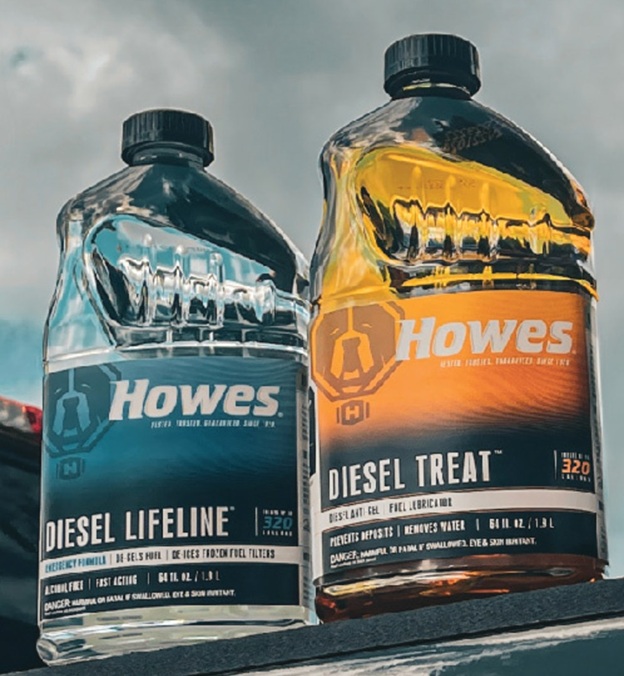
If you’re looking for a cold-weather fix, I always point people to Howes Diesel Lifeline. This stuff is built specifically for emergencies. It melts gelled diesel and de-ices fuel filters fast. You don’t need to mix anything. You don’t even have to replace the filter. It’s safe, petroleum-based, and works directly in your system without damaging components. Temperatures down to -35°F? Covered.

Now, if you’re trying to avoid that kind of emergency in the first place, their Diesel Treat is the one to look at. It’s their most recognized product for a reason. This is your daily driver for winter protection. It prevents gelling, removes water, adds lubricity, and cuts down emissions. It’s alcohol-free, solvent-free, and it’s safe for diesel, biodiesel, and even home heating oil. I’ve talked to fleet managers who won’t run a tank without it.

For Deep Cleaning and Injector Protection

Let’s say you’re more focused on performance and long-term fuel system health. That’s where Diesel Defender comes in. It’s a dual-purpose additive that cleans injectors and boosts lubricity by 2.5x compared to standard additives. It uses a powerful detergent formula to clear out internal injector deposits, even the ones that most cleaners miss.

You’ll usually see better fuel economy within three treatments. It’s also great if your engine’s been showing signs of hesitation or if emissions are creeping up. I’ve seen engines run smoother and more responsive after consistent use. And because it’s emissions-system safe, there’s no risk of damaging sensitive components.

Stability for Storage and Off-Season Use

If you’re storing fuel or using equipment seasonally, you need a stabilizer that actually works. Meaner Power Kleaner is their answer to that. It keeps stored fuel from breaking down and forming sludge or microbial growth. Plus, it has the same IDX4 detergent for full-system cleaning, making it a solid year-round option for heavy equipment, agriculture, or even marine use.

The difference is in how much it treats. It’s a concentrated formula, so a little goes a long way. I’ve recommended it to clients who run backup generators, seasonal rigs, or bulk fuel tanks. It keeps things clean and ready to go when you need them.

What Sets Howes Apart

One of the things I respect about Howes is how consistent they are. They don’t pad their product line with unnecessary variations. Each product has a specific use, and they cover the core needs better than most. Their additives don’t rely on gimmicks. They’re alcohol-free, solvent-free, and made to perform under real-world conditions.

They also back their products with a full money-back guarantee. That includes things like their Winter Tow Guarantee, which offers reimbursement if Diesel Treat fails to prevent gelling. I don’t see many companies willing to stand behind their product like that.

Their focus on system-wide care—from injectors to fuel lines to filters—means you’re not just addressing one issue at a time. You’re treating your entire fuel system in a way that’s preventative, not just reactive. That’s a big deal if you’re running equipment in extreme climates or under heavy loads.

My Advice to You

If you’re still grabbing whatever additive’s on sale at the truck stop, it’s time to think bigger. I’ve seen too many engines damaged by bad fuel and poor maintenance. Howes offers a solution that’s built for people who rely on their diesel equipment every day. Whether you need to rescue a frozen tank or just want a better-performing engine, they’ve got you covered.

Stick with a company that’s built its reputation over a century of field use. You’ll save money, avoid breakdowns, and get peace of mind that your engine’s running how it should.

A properly functioning windshield washer pump is essential for maintaining clear visibility and safe driving conditions. When drivers report issues such as weak or no spray, it is crucial for repair specialists to accurately diagnose whether the washer pump is the culprit. Diagnostic labs use specialized testing methods to evaluate the pump’s performance before proceeding with costly replacements. These tests primarily focus on assessing the pump’s ability to generate adequate fluid pressure and maintain a steady flow rate, ensuring the system operates efficiently under real-world conditions.

Visual and Electrical Inspection

Before performing pressure and flow tests, technicians begin with a thorough visual and electrical inspection. They check the pump’s exterior for signs of physical damage, corrosion, or leaks. The electrical system powering the pump—including fuses, wiring, and connectors—is also tested using a multimeter to ensure the pump receives the proper voltage and current. Any electrical irregularities detected during this phase may explain pump malfunction without the need for further hydraulic testing. If the electrical system is intact, the pump is then subjected to detailed pressure and flow evaluations. Going for the Auto Repair in Lihue, HI  based service would be a very important part.

Pressure Testing the Washer Pump

Pressure testing measures the washer pump’s ability to generate enough hydraulic pressure to propel washer fluid through the system effectively. In diagnostic labs, technicians connect the pump to a pressure gauge setup that simulates operating conditions inside a vehicle. By activating the pump, specialists observe the pressure levels achieved, comparing them to manufacturer specifications. Insufficient pressure readings indicate the pump is struggling or failing, which can lead to weak spray or no fluid delivery on the windshield. Consistent pressure within recommended ranges confirms the pump’s hydraulic health.

Flow Rate Testing for Consistent Fluid Delivery

Flow rate testing complements pressure testing by measuring the volume of washer fluid the pump delivers over time. Technicians capture the output in a calibrated container while running the pump at normal operating conditions. This test reveals whether the pump can maintain a steady and adequate flow rate to cover the windshield effectively. Low flow rates suggest internal wear, clogged components, or partial pump failure. High flow rates that exceed standards may indicate issues such as leaks or improper pressure regulation. Accurate flow rate testing helps determine if the washer pump requires repair, replacement, or further system inspection.

Comprehensive Diagnostics and Next Steps

After completing pressure and flow tests, repair specialists compile results to diagnose the washer pump’s condition thoroughly. If the pump passes both tests within manufacturer tolerances, attention shifts to other system parts, such as clogged nozzles, faulty hoses, or control switches. If test results show pump failure, the technician recommends replacement to restore reliable washer system function. Additionally, labs may perform post-replacement calibration, ensuring spray nozzles align correctly and fluid delivery meets vehicle requirements. This methodical diagnostic approach helps avoid unnecessary repairs and ensures drivers receive safe, effective windshield cleaning performance.

Hauling a car across state lines in Australia isn’t something you do every day — and it doesn’t come cheap. If you are purchasing a car across state lines or moving out of your current state, understanding how interstate car towing services rates are determined will save you a lot of headache and unexpected expenses.

Here’s a definitive, yet plain English, explanation of what factors determine your final towing bill — and how much it might set you back.

Average Price Range in Australia

The average cost of cars towing from state to state (across Australia) is between $400 to $1,500. The actual price you’ll pay will vary depending on a combination of distance, type of car, towing technique, and extras.

For example:

  • The shorter ones (less than 300 km) could be US$400 – $700.
  • Intermediate distances (300 – 800 km) typically vary from $700 – $1;000
  • Long hauls (over 800 km) can cost $1,500 or more

Do your due diligence and always compare interstate car towing services before you make your commitment.

What Factors Influence the Price of Pulling a Vehicle on the Highway?

  • Distance Matters Most

More money will be charged to you if your vehicle has to go further. That’s because of additional fuel, time, and labour. And finally, out of the way or hard to reach areas can end up costing extra because of detours or special routing.

  • Vehicle Size & Type

Different cars come with different price tags. Here’s a rough idea:

  • Compact or Midsize passenger cars – Base rates apply
  • 4WDs or SUVs – Around $100 – $200 extra
  • Luxury or sports – May want enclosed for protection

High-value vehicles, or those with low ground clearance, might require a little more care — and a higher equipment quote.

  • Towing Method Chosen

Two common methods are:

  • Open towing – More affordable, good for most vehicles
  • Captive towing – Significantly safer but costs up to 50% more

Car aficionados, as well as owners of unique or fragile vehicles, are the ones who make use of enclosed towing.

Special Conditions That Raise Prices

  • Car Condition

Does the car run okay? If not, figure on an extra $50 – $150 for winches, dollies, or labor.

Non-runners, wheels off vehicles, or issues with the steering of the car take more time — and add up to more charges.

  • Timing & Flexibility

Do you require the automobile to be picked up immediately or sent in a hurry? You’ll likely pay a premium. On the other hand, if you are flexible, you can save money — some companies offer discounts on group transport for trips that aren’t time sensitive.

If you can settle for terminal-to-terminal drop-off, as opposed to door-to-door, you may be able to reduce your expense as well.

  • Extras & Insurance

Basic insurance is typically included for most companies, but if you’re shipping a high-end car, you might want extra cover. Options such as GPS tracking, after-hours service, or temporary storage drive the total cost up even more.

How to Save on Towing Fees

  • Book in advance for better pricing and to skip the rush fees
  • Stay away from the holidays where towing is in high demand
  • Consider open towing if your car doesn’t require extra protection
  • Be open with your pickup/drop-off times
  • Always compare interstate car towing services. It always pays to take the time to compare auto towing services.

Tech & Skill Matters

Long-distance cars towing often requires specialised equipment and personnel, not to mention for cars such as delicate, expensive, or modified ones. That’s why selecting the right company is so important.

The good news is that one of the most respected names in this sector is Motorsport Towing, they have a proven record with secured, on time, and reliable car transport nationwide.

Final Word

There are a few moving parts — both figuratively and financially — to towing a car interstate in Australia. From how far you’re moving the car to the kind of car it is, and exactly when it needs to be moved, every detail affects your final cost.

With the right provider, and a little bit of smart planning and flexibility, towing your car across state lines doesn’t have to be a big headache.

Modern vehicles are equipped with a range of warning and control systems that significantly enhance safety and improve the driving experience. These systems continuously monitor the vehicle’s surroundings using advanced sensors and cameras, alerting drivers to potential hazards. Whether it’s an obstacle ahead, a lane departure, or a sudden change in traffic conditions, these systems help drivers respond swiftly, potentially preventing accidents. As automotive technology evolves, these systems are becoming more precise and effective, offering an additional layer of safety and convenience.

Types of Warning and Control Systems

There are several critical warning and control systems commonly found in today’s vehicles. Lane departure warning is one of the most widely used, alerting the driver if the car unintentionally drifts out of its lane. Another essential system is forward collision warning, which identifies potential collisions with objects or vehicles in the path of the car, providing timely alerts to prevent accidents. Adaptive cruise control, on the other hand, automatically adjusts the vehicle’s speed to maintain a safe distance from the car in front, reducing the need for constant speed adjustments.

Other helpful systems include parking sensors, which assist drivers in parking by detecting nearby obstacles, and blind-spot monitoring, which alerts drivers when another vehicle is in their blind spot, reducing the risk of accidents during lane changes. Automatic emergency braking is another key feature, which applies the brakes if a collision is imminent, helping to reduce the impact or even prevent the crash altogether.

In addition to these advanced features, systems like the ABS light also contribute to safety. When the ABS light illuminates, it alerts the driver to a potential issue with the anti-lock braking system, ensuring that the vehicle’s braking system remains effective in emergency situations.

The Future of Warning and Control Technologies

The future of warning and control systems in vehicles is set to become even more advanced, largely driven by the integration of artificial intelligence (AI) and machine learning (ML). These technologies will enable vehicles to adapt to individual driving behaviors and specific road conditions, offering more personalized and intelligent safety features. For example, AI could help vehicles predict potential accidents by processing data from sensors and cameras in real-time, allowing them to take preemptive action. Key Benefits of AI and ML in Future Vehicle Safety:

  1. Personalized Safety Features: Vehicles will adapt to individual driving habits, providing tailored safety responses based on the driver’s behavior.
  2. Real-Time Accident Prediction: AI will process data from various sensors and cameras to anticipate accidents and take preemptive action to prevent them.
  3. Enhanced Obstacle Detection: As autonomous technologies progress, vehicles will become more adept at detecting and avoiding obstacles, improving overall safety.
  4. Smarter Decision Making: AI and ML will enable real-time decision-making for self-driving cars, ensuring optimal safety in any situation.
  5. Improved Road Safety: The integration of AI and ML will minimize human error, significantly reducing accidents and enhancing overall road safety.

Auto transmission maintenance often takes a backseat in vehicle care discussions, overshadowed by engine checks and oil changes. However, neglecting your car’s transmission can lead to significant issues down the road. In this guide, we’ll explore the critical role of transmission maintenance, dispel common misconceptions, and shed light on what most people aren’t told about keeping their transmission in top shape.

Understanding Your Vehicle’s Transmission

The transmission is one of the most complex and essential components of your car. Its primary role is to ensure the right amount of power is delivered to the wheels at varying speeds. Automatic transmissions use intricate systems of gears, clutches, and hydraulic fluid to shift gears seamlessly without driver intervention. Over time, this complex mechanism is subject to wear and tear, making proper maintenance crucial.

What Happens If You Skip Transmission Maintenance?

Many car owners underestimate the importance of routine transmission care, assuming it’s only necessary when something goes wrong. However, skipping maintenance can lead to:

  1. Overheating: Dirty or degraded transmission fluid loses its ability to cool and lubricate, causing the system to overheat and fail prematurely.
  2. Slipping Gears: A poorly maintained transmission can cause gear slippage, resulting in unpredictable vehicle performance and safety hazards.
  3. Costly Repairs: Transmission repair or replacement is among the most expensive car repairs, often costing thousands of dollars. Routine maintenance can help avoid such expenses.
  4. Shortened Lifespan: Ignoring maintenance can significantly reduce the lifespan of your transmission, forcing you to replace it far earlier than expected.

Misconceptions About Transmission Maintenance

There are several myths about transmission maintenance that can mislead car owners:

  1. “Modern Transmissions Are Maintenance-Free”: While some manufacturers market their vehicles as having “lifetime” transmission fluid, this is often misleading. Fluids degrade over time and need periodic replacement to ensure optimal performance.
  2. “Only High-Mileage Cars Need Maintenance”: Even low-mileage vehicles can benefit from transmission care. Driving conditions, such as frequent stop-and-go traffic or towing heavy loads, can put extra strain on the system.
  3. “If It’s Shifting Fine, It’s Fine”: Transmission problems often develop gradually, making them hard to detect until significant damage has occurred.
  4. “You Can Use Any Transmission Fluid”: Using the wrong type of fluid can cause severe damage. Always refer to your vehicle’s manual for the correct specification.

Signs Your Transmission Needs Attention

Your car often gives subtle signs when the transmission requires maintenance. Ignoring these warning signs can lead to larger problems:

  • Delayed Gear Shifts: If there’s a delay or hesitation when shifting gears, it may indicate low or dirty transmission fluid.
  • Unusual Noises: Grinding, whining, or clunking sounds during gear shifts often signal internal wear.
  • Fluid Leaks: Transmission fluid is usually red or pink. Leaks can indicate a failing seal or gasket.
  • Burning Smell: Overheated fluid can emit a burnt odor, signaling an urgent need for service.
  • Dashboard Warning Light: Many modern vehicles are equipped with sensors that alert you to transmission issues.

What Transmission Maintenance Involves

Routine maintenance isn’t as daunting as it sounds. Here are the key components:

  1. Fluid Check and Replacement: Transmission fluid lubricates and cools the system. Checking its level and condition regularly can prevent overheating and wear. Replace the fluid as per your vehicle’s service schedule.
  2. Filter Replacement: Some vehicles have transmission filters that collect debris. Over time, these filters become clogged and require replacement.
  3. Inspection for Leaks: A professional mechanic can check for leaks and ensure seals and gaskets are in good condition.
  4. System Flush: A transmission flush removes old, dirty fluid and replaces it with fresh fluid, ensuring the system operates smoothly.
  5. Software Updates: Many modern vehicles have computerized transmissions. Manufacturers may release updates to improve performance, which can be installed during routine service.

The Cost of Neglecting Maintenance vs. Routine Care

Many people avoid maintenance due to the perceived cost, but neglecting your transmission can lead to far greater expenses. A typical fluid change costs between $100 and $250, while a complete transmission replacement can range from $3,000 to $7,000 or more, depending on the vehicle.

Investing in regular care not only saves money in the long run but also ensures better vehicle performance and safety.

Tips for Extending Transmission Life

To get the most out of your transmission, follow these tips:

  1. Drive Smoothly: Avoid sudden starts and stops, as aggressive driving can stress the transmission.
  2. Avoid Overloading: Carrying heavy loads or towing beyond your vehicle’s capacity puts extra strain on the system.
  3. Use the Right Fluid: Always stick to the manufacturer-recommended fluid for your vehicle.
  4. Let It Warm Up: In cold weather, let your car warm up for a few minutes before driving to ensure the fluid flows properly.
  5. Regular Maintenance: Follow the recommended maintenance schedule in your vehicle’s manual.

What They Don’t Tell You About Transmission Maintenance

Many vehicle owners aren’t aware of the proactive steps they can take to prevent transmission issues. Some of these include:

  • Early Detection Saves Money: Minor transmission issues are easier and cheaper to fix than major failures. Regular maintenance helps catch problems early.
  • Custom Maintenance Schedules: Your driving habits can impact how often maintenance is needed. For instance, city driving with frequent stops and starts may require more frequent fluid changes.
  • DIY Checks Are Easy: Checking your transmission fluid is a simple task that you can do at home. Look for clear, reddish fluid. If it’s dark or smells burnt, it’s time for a change.

Final Thoughts

So, is auto transmission Newark, DE necessary? Absolutely. While it’s often overlooked, proper care of your vehicle’s transmission is essential to avoid costly repairs, ensure smooth performance, and extend the life of your car. By staying proactive and informed, you can keep your vehicle running at its best and enjoy peace of mind on the road.

Take the time to schedule regular maintenance and pay attention to warning signs—it’s an investment that pays off in reliability, safety, and savings. Don’t wait until it’s too late to give your transmission the attention it deserves.