
Category

Auto

Category

When your vehicle sustains dent damage, whether from a minor collision, hail, or other impacts, you are faced with a decision: should you choose Paintless Dent Repair (PDR) or replace the damaged parts entirely? Understanding the cost-effectiveness and benefits of each option is crucial to making an informed decision. This article explores the scenarios where Paintless Dent Repair is the most suitable choice and when it might be more prudent to opt for part replacement.

Understanding Paintless Dent Repair (PDR)

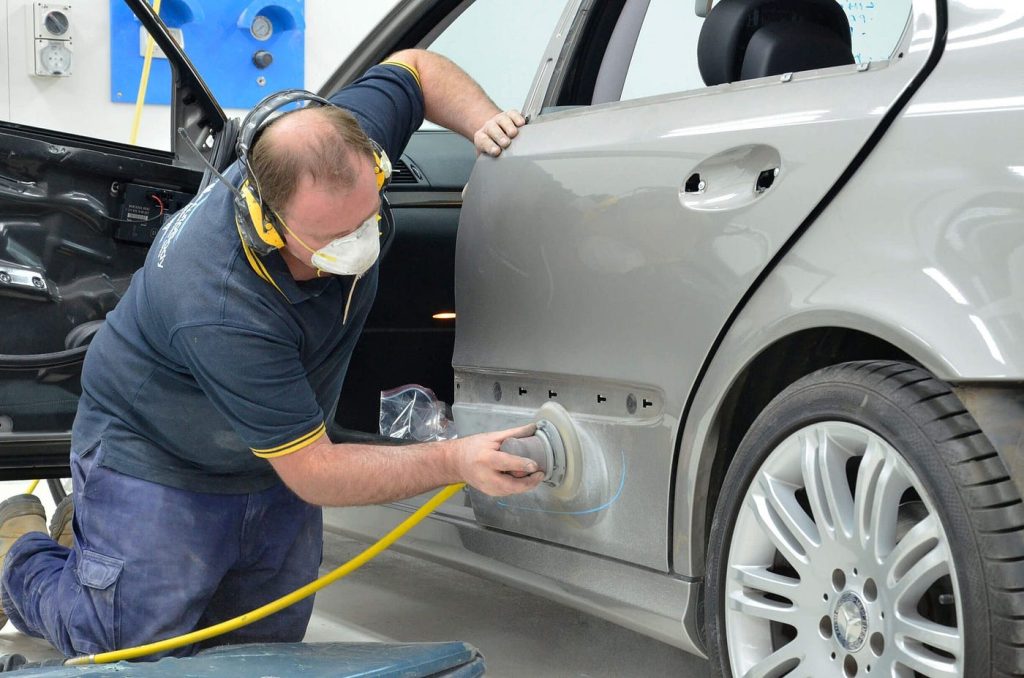
Paintless Dent Repair is a specialized technique used to restore a vehicle’s body to its original condition without damaging the paint. This method is ideal for small to medium-sized dents where the paint surface has not been cracked or broken. PDR involves using specific tools to carefully push the metal back into its original shape from behind the dent.

Evaluating the Suitability of PDR

  1. Nature of the Damage:
  • PDR is Most Effective When:
    • The dent is shallow, and the paint is intact.
    • The dent is accessible from the backside.
    • The metal has not been stretched too severely.
  • Replacement is Recommended When:
    • The damage involves sharp creases or tears.
    • There are signs of paint damage, such as cracking or splitting.
    • The metal has been severely stretched or deformed beyond simple PDR repair.
  1. Cost Considerations:
  • Cost of PDR:
    • Generally, less expensive than full part replacements as it requires fewer materials and less labor.
    • Costs can vary based on the number and size of dents, as well as the vehicle’s make and model.
  • Cost of Replacement:
    • More costly as it involves purchasing new parts and potentially more complex labor.
    • Includes costs for the part itself, painting to match the vehicle’s original color, and labor for installation.
  1. Time Required for Repair:
  • PDR:
    • Typically completed within a few hours to a day, depending on the severity and number of dents.
  • Replacement:
    • May take several days, especially if parts need to be ordered or extensive painting is required.

Benefits of Opting for Paintless Dent Repair

  1. Maintains Original Paint:
  • Retaining the original factory paint is a significant advantage of PDR, crucial for maintaining the vehicle’s resale value and aesthetic integrity.
  1. Cost Efficiency:
  • PDR avoids the costs associated with painting and sourcing new parts, making it a more budget-friendly option for suitable damages.
  1. Time-Saving:
  • The quicker turnaround time of PDR means less downtime for your vehicle, an important consideration for those who rely on their vehicle daily.

When Replacement Is the Better Option

  1. Structural Integrity:
  • In cases where the vehicle’s structural integrity might be compromised by severe denting, replacing the affected parts ensures safety and durability.
  1. Extensive Damage:
  • When multiple panels are affected or when damage is extensive, replacing the damaged parts might be more effective to restore the vehicle fully.
  1. Long-Term Durability:
  • Replacement with new parts can sometimes offer better long-term durability, especially in cases where the original material has weakened.

Conclusion

Deciding between Paintless Dent Repair and part replacement involves considering several factors, including the nature of the damage, cost implications, and how long the repair will take. Paintless Dent Repair offers a cost-effective, quick, and efficient solution for minor dents and maintains the original paintwork. However, for more severe damage, part replacement might be necessary to ensure the vehicle’s structural integrity and aesthetic appearance. Ultimately, consulting with a professional repair technician can provide guidance tailored to your specific situation, helping you make the best decision for your vehicle’s needs.


When you buy an electric scooter online, choosing one with a good suspension system can make a big difference in how comfortable and safe your ride will be. The suspension helps smooth out bumps in the road, giving you a stable and enjoyable experience. The best electric scooters for adults often come with a suspension that adds stability, especially when turning or going over rough surfaces.

What Is an Electric Scooter Suspension? 

An electric scooter suspension is a system that helps balance how the scooter handles the road and how smooth the ride feels. It works by absorbing the impact when you ride over uneven surfaces, which keeps you from feeling every bump and helps you maintain control of the scooter and therefore is no surprise that finding the best electric scooters with suspension is imperative.

Types of Electric Scooter Suspension Electric scooters can have one or more types of suspension systems. Each type has its own benefits:

  1. Spring Suspension A spring suspension uses coils that move up and down to reduce the impact when you hit a bump. This type of suspension helps make the ride smoother and is common in many electric scooters.
  2. Hydraulic Suspension A hydraulic suspension uses liquid to absorb shocks when going over bumps. It reacts quickly and provides a firmer, more stable ride. Many riders consider it one of the best suspension types for electric scooters.
  3. Rubber Suspension Rubber suspension offers natural softness and flexibility, making it great for absorbing impacts. It also reduces vibrations, road noise, and overall scooter weight, improving ride comfort.

How Does an Electric Scooter Suspension Work? 

The suspension system in an electric scooter is simpler than in cars or motorcycles, but it still plays a crucial role in making the ride smoother. It consists of key components that work together to absorb shocks:

  • Preload: Keeps the suspension raised and ensures it stays on top of its travel range.
  • Coil/Spring: Moves up and down to reduce shocks and supports the rider’s weight.
  • Shock: Manages the spring’s movement and helps keep the wheels on the ground.
  • Limiter Straps: Reduce the impact on the rider when going over bumps.

Why Is Suspension Important? 

Electric Scooter Suspension

Riding conditions are not always perfect. Roads can be bumpy, and paths might be uneven. A good suspension system helps make your ride smoother and safer by absorbing shocks and protecting the scooter’s frame from damage. It also improves handling, making it easier to steer and control the scooter.

Maintenance Tips for Electric Scooter Suspension To keep your scooter’s suspension in good shape, here are some tips:

  • Tighten all screws regularly.
  • Make sure the folding axis is correctly positioned.
  • Check if the height adjustment button is secure.
  • Ensure the handlebar blocking button is in place.
  • Test the brakes and lights before every ride.

If you notice loose screws, you might need to adjust the suspension. Also, remember to lubricate the coils occasionally to prevent damage.

Should You Buy an Electric Scooter with Suspension? 

Whether you need a scooter with suspension depends on your riding needs. If your route includes bumpy roads, hills, or uneven paths, a suspension will make a big difference. However, if your rides are mostly on smooth pavements, you might not need one.

If an e-scooter with suspension is out of your budget, consider models with pneumatic (air-filled) tires. These also help cushion your ride and provide more comfort. Many brands offer budget-friendly scooters with good suspension or quality tires to improve your ride.

Final Thoughts 

Choosing the right electric scooter involves considering your riding needs and the type of suspension that suits them best. A good suspension system can provide comfort, safety, and stability, especially on rough roads. Whether you opt for a scooter with full suspension or just good-quality tires, make sure to choose a model that meets your needs and budget for the best riding experience.


In the realm of diesel engines, Cummins stands as a symbol of power, durability, and reliability. However, even the most robust engines can benefit from enhancements to boost both fuel economy and power output. This article delves into the world of Cummins aftermarket parts, exploring how upgrading various components can unlock hidden potential, delivering economic and performance benefits.

The Importance of Efficiency in Cummins Engines

Cummins engines are renowned for their power and torque output, making them popular choices for a wide range of applications, including heavy-duty trucks, construction equipment, and recreational vehicles. However, with the increasing focus on environmental sustainability and fuel efficiency, optimizing Cummins engines for better fuel economy has become a priority for many owners and operators.

Improved fuel efficiency not only reduces operating costs but also minimizes environmental impact by lowering emissions. Additionally, enhancing power output allows vehicles to handle heavier loads or operate more effectively in demanding conditions. Therefore, upgrading Cummins parts to achieve both fuel economy and power gains is essential for maximizing the engine’s performance and longevity.

Upgrading Fuel Systems for Efficiency and Power

The fuel system is a critical component of any diesel engine, directly influencing performance, efficiency, and emissions. Upgrading Cummins fuel systems can yield significant improvements in all these areas. Aftermarket fuel injectors, for example, offer precise fuel delivery and improved atomization, resulting in more efficient combustion and reduced fuel consumption.

High-performance injectors also contribute to increased power output by delivering a more consistent and controlled fuel spray pattern, enhancing combustion efficiency across the engine’s operating range. Moreover, advanced injector designs help minimize emissions by promoting cleaner combustion, reducing the production of harmful pollutants such as nitrogen oxides (NOx) and particulate matter (PM).

Another aspect of the fuel system worth upgrading is the fuel filtration system. High-quality aftermarket fuel filters provide superior filtration efficiency, removing contaminants and water from the fuel supply to prevent injector clogging and fuel system damage. By maintaining clean fuel injectors and fuel lines, upgraded filtration systems help ensure optimal engine performance, reliability, and longevity.

Turbocharger Upgrades for Enhanced Performance

Turbochargers play a crucial role in Cummins engines by increasing airflow and boost pressure, thereby improving power output and engine response. Upgrading to a high-performance turbocharger can unlock significant gains in both fuel economy and power. Advanced turbo designs offer improved aerodynamics, allowing for higher flow rates and reduced turbo lag, resulting in a more responsive throttle and smoother acceleration.

Moreover, aftermarket turbochargers often feature larger compressor and turbine wheels, as well as upgraded bearings and seals, to withstand higher operating pressures and temperatures. This increased durability ensures long-term reliability, even under extreme conditions such as towing heavy loads or operating at high altitudes.

In addition to upgrading the turbocharger itself, optimizing the entire turbocharging system can further enhance efficiency and performance. Upgraded intercoolers, for example, help reduce intake air temperatures, increasing air density and improving engine efficiency. Similarly, aftermarket wastegates and boost controllers allow for precise control of boost pressure, optimizing power delivery and fuel economy based on driving conditions and performance goals.

Maximizing Air Intake Efficiency

Efficient airflow is essential for maximizing the performance and efficiency of any combustion engine, including Cummins diesel engines. Upgrading the air intake system can significantly improve airflow, resulting in better combustion efficiency and power output. Aftermarket air intake kits offer larger-diameter intake pipes, high-flow air filters, and streamlined intake runners, reducing airflow restrictions and increasing air volume.

By allowing the engine to breathe more freely, upgraded air intake systems improve throttle response and overall engine performance. Additionally, high-flow air filters provide superior filtration compared to stock filters, ensuring clean air enters the engine while maintaining optimal airflow. This combination of increased airflow and improved filtration results in better fuel economy, reduced emissions, and enhanced engine longevity.

Performance Tuning for Customized Performance

Performance tuning allows Cummins owners to customize their engine’s parameters for optimal efficiency and power output. Aftermarket performance tuners offer a wide range of features, including adjustable fuel maps, ignition timing, and boost levels, allowing for precise control of engine performance characteristics.

By optimizing fuel delivery, timing, and turbocharger boost pressure, performance tuners can unlock additional horsepower and torque while also improving fuel economy. Customized tuning profiles can be tailored to specific driving conditions and performance goals, whether it’s maximizing fuel efficiency for long-distance hauling or enhancing power output for off-road adventures.

Furthermore, performance tuners often include features such as diagnostic monitoring and data logging, allowing users to track engine performance metrics in real-time and identify areas for improvement. This data-driven approach to performance tuning ensures that Cummins engines operate at peak efficiency and reliability, regardless of the application or operating conditions.

Enhancing Reliability with Quality Aftermarket Parts

In addition to performance upgrades, investing in quality aftermarket parts can enhance the reliability and longevity of Cummins engines. Upgraded cooling system components, such as high-capacity radiators and upgraded water pumps, help maintain optimal engine temperatures under heavy loads, reducing the risk of overheating and engine damage.

Similarly, aftermarket transmission and drivetrain components, such as performance torque converters and reinforced gear sets, improve power transfer and durability, especially in high-horsepower applications or when towing heavy loads. Upgraded differentials, locking differentials, or limited-slip differentials enhance traction and stability, improving both fuel efficiency and overall drivability.

Conclusion

Upgrading Cummins parts for fuel economy and power offers numerous benefits for diesel enthusiasts. Whether it’s optimizing the fuel system, turbocharging system, air intake system, or performance tuning, aftermarket upgrades provide the means to achieve better fuel economy, increased power output, and enhanced reliability. By investing in quality aftermarket parts and accessories, Cummins owners can enjoy improved performance, efficiency, and longevity, ensuring years of driving satisfaction and peace of mind.

For owners and operators of heavy-duty vehicles, maintaining peak engine performance is crucial. This is especially true in industries where reliability and efficiency directly impact productivity and costs. One critical component in achieving this is the turbo speed sensor, particularly the Cummins X15 X12 Turbo Speed Sensor. Understanding its role, features, and maintenance needs can significantly enhance your vehicle’s performance.

The Crucial Role of Turbo Speed Sensors

The turbo speed sensor is an integral part of the turbocharger system, which plays a vital role in engine efficiency and power output. Turbochargers use the engine’s exhaust gas to spin a turbine, which in turn compresses air into the engine’s intake manifold, allowing more fuel to be burned and, thus, increasing the engine’s power and efficiency. The speed sensor’s primary function is to monitor the speed of the turbocharger’s turbine, which is essential for optimal engine performance and health.

Why the Cummins X15 X12 Turbo Speed Sensor Stands Out

The Cummins X15 and X12 engines are renowned for their robust performance and dependability in heavy-duty vehicles. The Cummins X15 X12 Turbo Speed Sensor is specifically designed to enhance these engines by providing accurate and reliable data about the turbocharger’s speed. This data is crucial for the engine control unit (ECU), which uses it to make adjustments to the fuel injection timing and turbocharger control, optimizing both performance and fuel efficiency.

Features of the Cummins X15 X12 Turbo Speed Sensor

This turbo speed sensor is engineered to withstand the harsh conditions of a heavy-duty engine environment. It features a robust design that resists heat and wear from high-speed turbine operation. Additionally, its high precision ensures that it delivers accurate speed readings, which are critical for maintaining the engine’s performance and longevity.

Installation and Maintenance

Installing the Cummins X15 X12 Turbo Speed Sensor is straightforward, but accuracy is key. It’s advisable to have a professional technician handle the installation to ensure it is done correctly. Regular maintenance checks are also recommended to ensure the sensor continues to function accurately. This includes checking for any signs of wear or damage, especially in high-performance environments, and ensuring that the sensor remains clean and free from debris.

Troubleshooting Common Issues

Common issues with turbo speed sensors include faulty readings, which can lead to suboptimal engine performance. Symptoms of a failing sensor include unexpected changes in engine power, poor fuel economy, and sometimes even error messages from the engine control system. Regular diagnostics and timely replacement of the sensor can prevent these issues from escalating into more significant engine problems.

The Benefits of Regular Maintenance

Maintaining your Cummins X15 X12 Turbo Speed Sensor is not just about preventing failure. Regular checks and timely intervention ensure optimal engine performance, which translates to better fuel efficiency, lower emissions, and extended engine life. This proactive approach to maintenance saves money on repairs and ensures that your heavy-duty vehicle remains reliable and efficient.

The Cummins X15 X12 Turbo Speed Sensor (https://turbokott.com/product/5643241-cummins-x15-x12-turbo-speed-sensor/) is a small component with a significant impact on the performance and efficiency of heavy-duty engines. By ensuring this part is correctly installed and regularly maintained, you can enhance your vehicle’s performance, extend its lifespan, and optimize operational expenses. For those looking to purchase or need expert advice on this sensor, visiting specialists like Kott Turbo Works can provide you with the products and assistance needed to keep your engine running at its best.

Remember, the health of your turbocharger system plays a critical role in your engine’s overall performance. Don’t overlook the importance of components like the turbo speed sensor, as they are pivotal in maintaining the power and efficiency that Cummins engines are known for.

Accidents, regardless of how trivial or tragic they may be, can throw people into a whirlwind of bewilderment, worry, and anxiety once they occur. It is possible to gain clarity, direction, and eventually peace of mind by obtaining the legal counsel of an accident attorney during times like these, which are often difficult. Consultation with an expert attorney might be the most important step in addressing the aftermath of an accident. This is so because having an attorney on your side may make all the difference in navigating the maze of legal processes and claiming your compensation.

Understanding Legal Rights And Responsibilities

A thorough awareness of one’s legal rights and duties is one of the key advantages of speaking with an attorney specializing in accident lawyers. There is a complicated set of laws and regulations governing liability, insurance claims, and accidents, but few are aware of them. There are several legislation, case precedents, and legal techniques that may be adapted to the individual circumstances of the accident that an attorney can give that are of great use.

Navigating Complex Legal Procedures

For those unfamiliar with legal procedures, the accident-related legal process can be particularly intimidating and complicated. There are a lot of formalities to go through, such as submitting paperwork and negotiating with insurance providers. An expert accident lawyer may help their client through the process by taking care of paperwork, collecting evidence, and arguing on their side. The accident victim will save time, energy, and aggravation thanks to their mastery of the procedure.

Assessing Damages And Seeking Compensation

Calculating the total damages caused by an accident might be trickier than it seems. Beyond immediate medical expenses and property damage, there may be long-term medical costs, lost wages, pain and suffering, and other intangible losses. An accident attorney utilizes their knowledge and resources to comprehensively assess these damages and pursue fair compensation on behalf of their client. Whether through negotiation or litigation, they work tirelessly to ensure their client’s rights are protected and that they receive the compensation they deserve.

Dealing With Insurance Companies

After an accident, dealing with the insurance company is one of the most annoying parts of the process. Insurance adjusters may use a variety of strategies in their pursuit of minimizing compensation. You are on an equal footing with the help of a seasoned accident lawyer. They are adept at representing their client’s best interests while knowing the tricks insurance firms utilize. Whether settling out of court or going to trial, the client’s rights are protected by the attorney’s knowledge and experience.

Providing Emotional Support And Guidance

Beyond the legal aspects, consulting with an accident attorney can also provide invaluable emotional support and guidance during a tumultuous time. Accidents can take a significant toll on individuals, both physically and emotionally. Having a compassionate and knowledgeable advocate by their side can alleviate stress, anxiety, and uncertainty. The attorney’s reassurance, guidance, and commitment to their client’s well-being can provide security and peace of mind amidst the chaos.

Conclusion

From confusion to clarity, consulting with an accident attorney offers a path toward peace of mind for accident victims. By understanding legal rights, navigating complex procedures, assessing damages, dealing with insurance companies, and providing emotional support, an experienced attorney plays a pivotal role in guiding clients through the aftermath of an accident. Their experience and dedication empower accident victims to assert their rights, pursue rightful compensation, and ultimately regain control over their lives. The decision to seek legal representation after an accident can greatly impact the path to settlement and healing.

The pharmaceutical industry relies heavily on cold chain logistics to ensure the safe and effective delivery of temperature-sensitive products, including vaccines, biologics, and certain medications. The stakes in pharmaceutical cold chain logistics are incredibly high, as any deviation in temperature can compromise the efficacy of the products, posing serious health risks. This article explores the special considerations and challenges in the cold chain logistics for pharmaceuticals and the emerging solutions to address these issues.

Stringent temperature requirements

Critical temperature control

Pharmaceutical products often require strict temperature control, sometimes within a narrow range. For instance, some vaccines must be stored and transported at temperatures between 2°c and 8°c, and others, like certain covid-19 vaccines, at ultra-low temperatures of about -70°c.

Advanced refrigeration solutions

To meet these stringent requirements, advanced refrigeration technologies are being developed and implemented. These include high-performance insulated containers and cryogenic cooling systems for ultra-low temperature needs.

Regulatory compliance and standards

Adhering to global regulations

Pharmaceutical cold chain logistics must comply with numerous international regulations, including good distribution practices (gdp) for pharmaceuticals. These regulations ensure that products are consistently stored, transported, and handled under suitable conditions.

Certification and audit trails

Maintaining detailed records and audit trails is crucial for compliance. This includes documentation of temperature data throughout the supply chain. Implementing systems for real-time data logging and gps tracking is becoming a standard practice.

Specialized packaging and handling

Protective packaging solutions

Developing protective packaging solutions that can maintain temperature stability is crucial. This includes vacuum-insulated panels and phase change materials that adapt to temperature variations.

Handling protocols

Special handling protocols are required to ensure the integrity of pharmaceutical products. This includes training personnel in handling sensitive products and maintaining cleanliness and hygiene standards.

Risk management and contingency planning

Mitigating risks

Identifying potential risks in the supply chain and implementing contingency plans is essential. This might include backup refrigeration systems and alternative transportation routes.

Emergency response strategies

Having emergency response strategies in place is vital to address any breaches in the cold chain promptly, minimizing the impact on product efficacy.

Technological innovations

Iot and blockchain technology

The use of iot devices for real-time monitoring and blockchain technology for secure, tamper-proof data management is growing. These technologies enhance visibility and traceability in the cold chain.

Ai and predictive analytics

Artificial intelligence and predictive analytics are being used to optimize routes, predict potential disruptions, and enhance the overall efficiency of the cold chain.

Environmental considerations

Sustainable practices

There is an increasing focus on implementing environmentally sustainable practices in pharmaceutical cold chain logistics. This includes using eco-friendly refrigerants and reducing carbon emissions through efficient route planning.

Conclusion

Cold chain logistics for pharmaceuticals is a complex and highly regulated field, requiring precision, advanced technology, and strict adherence to global standards. The critical nature of pharmaceutical products demands impeccable temperature control, specialized packaging, thorough compliance, and robust risk management strategies. Technological innovations such as iot, blockchain, ai, and predictive analytics are playing a key role in enhancing the efficiency and reliability of the pharmaceutical cold chain. As the industry continues to evolve, staying abreast of these advancements and adapting to emerging challenges will be crucial for ensuring the safe and effective delivery of life-saving pharmaceuticals.

When you need assistance transporting your family car because you are moving to a new home or when you just bought a car from a state that is many hours away from where you currently reside, you might be concerned that shipping a car from Texas to Florida will take too much time. This is because shipping a car from Texas to Florida is a lengthy process.

In spite of this, it is possible that you will be able to save a significant amount of time, effort, and money if you are successful in locating a reliable company that specializes in relocations of this nature. Before embarking on a lengthy journey with your vehicle mounted on a carrier, there are a few things that you should take into mind before you set out on your excursion.

You may have peace of mind knowing that your vehicle will be transported across the country in a secure manner that is provided by AutoStar shipping, which is one of the most successful organizations in the United States that operates in this sector.

Our professional staff will make sure that you are aware of what to anticipate at each stage of the operation before we transfer your vehicle. This will ensure that you are prepared for the process. We are widely recognized across the transportation industry as being among the most dependable businesses that are currently operating. Our reputation is already well known. Our highly trained carriers will finish the task in a timely manner while also ensuring that it is safe and offering our customers with exceptional service.

To What Extent Do the Various Modes of Transportation

When it comes to transporting your automobile across the country, you have the ability to select from a variety of various solutions. Additionally, we provide supplementary services that enable you to track the development of your delivery at any moment. When driving across the country, there are two distinct routes that can be taken, depending on the vehicle that is being utilized.

With open-air carrier trailers serving as their favorite method of transportation, the vast majority of people take pleasure in going on excursions when traveling in these transport vehicles. The vast majority of customers may anticipate a simplified door-to-door delivery experience as a result of the fact that this service is capable of transporting many autos at the same time. Our drivers are permitted to transport your vehicle anywhere they like after they have finished their duties, provided that the sites where we pick up and drop off your vehicle are of a secure nature. In the event that you already have a strategy in place to allocate funds to pay the cost of transferring your automobile, you will discover that this strategy is especially helpful for you.

The second reason we employ enclosed car transport is when we are relocating vehicles that are either valuable, historic, or antique. The automobiles are protected from the elements as a result of this. By selecting this alternative, you will ensure that your vehicle has a ride that is both smooth and risk-free. This is because the enclosed trailer offers additional protection. In the event that you drive your vehicle through mud, water, snow, or debris that has been created by storms or roadwork, you will not have any problems. Everything is in order with those goods. For the reason that we are fully aware of how important it is for you to keep your vintage car in pristine condition, we would like to suggest that you take things to the next level by organizing enclosed auto shipping through AutoStar shipping. In the event that you are willing to spend a little bit more money, covered vehicle shipping will provide your automobile with an improved level of security while it is being transported.

Developing Strategies and Making Arrangements in Relation to Your Automobile

Prior to making a reservation with us, you are able to acquire instantaneous and cost-free estimates if you have already visited our website. This is something that you are aware of. It is important to note that the amount that you will be required to pay at the time that the service is performed is only a preliminary estimate; the precise price will not be known until the work is completed. AutoStar Transport will not charge you for your shipping until one of their carriers actually picks up your box, so if you schedule your shipment with them, you won’t have to worry about paying anything. The most enjoyable aspect of the process is this stage. When you engage with us, we will always supply our customers with honest information, which means that your vehicle will be transported to its destination without any problems.

A reservation must be made with our company at least seven days before the time that you would want to be picked up. If you would like to make a reservation with our company, please do so. This guarantees that a shipping company will be able to deliver your things on the date and time that you indicate they will arrive once they have been shipped. Once the company has located a transportation provider that is suitable for your car and has confirmed all of the details with the driver, then and only then will you be needed to make the payment for the reservation. Following the completion of the reservation process with our company, you are highly encouraged to get your vehicle ready for delivery as soon as possible.

When it comes to the transportation process as a whole, the most important step is the method of getting your vehicle ready for delivery and pickup. After you have removed all of the stuff from the vehicle and given it a thorough cleaning, you will have a clear picture of any problems that may be occurring with the vehicle. During the process of inspecting your vehicle, it is crucial that you document everything that you find. This will ensure that your vehicle is ready for the road and will not experience any damage while it is being transported. images of the car should be taken from every aspect in the case that additional inspections are required after delivery. This is because it is advised that images be taken.

Take the time to remove any toll tags from your vehicle before you set out on a lengthy journey. This is an additional safety action that you should take before you go on your journey. Installing toll tags on your vehicle, which will then automatically collect money as you travel, will enable you to save time and eliminate the need to stop at a toll booth throughout the entire journey. It is possible that you will not be required to pay any of the accompanying tolls if you remove the license plates from your car before passing through any of the checkpoints that are located along the route. It is recommended that the antenna be removed and the side mirrors be stored away in order to reduce the likelihood of getting involved in an accident. If you prepare your vehicle in advance, the process of the carrier picking it up could be simplified, which would be beneficial to you.

Time at Which the Product Was Delivered

At long last, the time that was scheduled for the delivery of your vehicle has actually arrived. If you want the car delivered to a specific location, the driver of the carrier truck will call you when they are getting close to the location where you want the car delivered. After making certain that everything is in good working order, the driver will then remove the vehicle from the trailer. Without either your presence or the presence of another responsible adult who is at least 18 years old, the driver of your vehicle will not be able to proceed with the delivery of your vehicle.

Before we start on the road, you need to make sure that your vehicle was not damaged in any way while it was being carried, so make sure that you give it a thorough inspection. As a result of the fact that you are going to study all of the driver’s documents, they will accompany you to the vehicle so that you may examine it. If the test is successful and you are interested in continuing with the procedure, you will be given the opportunity to sign the driver’s inspection report so that it may be submitted to the appropriate authorities.

The Assistance of Autostar Transport Is Available

In the event that you would like to receive a quick price for a trip in the future or any other information concerning the services that we offer, please click here. Our customer service representatives are available for live chat and are prepared to assist you immediately in the event that you have any questions or issues regarding the process of making a reservation or the reservation itself. Furthermore, you are free to contact us at any time that is convenient for you in order to discuss our services and obtain answers to any questions that you might have.

Road trips can be enjoyable, but they require careful planning to ensure everything goes according to schedule. Here are some tips for planning your road trip so you can have fun!

Make a route plan.

Even when you are aware of your ultimate destination, there are numerous routes you can take to get there. Extended road trips provide you the opportunity to view more sights along the way that you might not otherwise see. Additionally, you can schedule your travel to avoid congested areas near cities during particular hours of the day. Just be careful not to overbook one day of the journey and exhaust yourself before continuing the rest of the way. If you’re organizing a low-cost road trip, mark down the hotels and gas stations with reward points to save even more money.

Get your car ready.

Making sure your car is up to date on all of its maintenance should be one of your priorities before heading out on a road trip. You might exceed the mileage for your following oil change, depending on the length of your road trip. If that is true, begin your journey with a brand-new oil change at the D Wells Auto shop. Additionally, you want to inspect your fluids, including brake, engine coolant, and windshield wiper fluid. Remember to check the wiper blades and the wear on your tires.

Pack everything you’ll need.

You’ll avoid making pointless stops if you pack your car with everything you need for the journey. Try writing a list in advance to avoid rushing to recall everything you need at the last minute. Ensure you have many snacks, entertainment, and a car repair kit. Also, download your music, podcasts, and audiobooks in advance in case of a service outage.

Sleep well the night before your drive.

Consider fatigue before you set out on your adventure, not after. Get at least seven or more hours of sleep for two nights to boost your energy before the road trip. Unless you want to stop, beginning your road trip in the morning following a restful night’s sleep is preferable to following a long, exhausting workday. Make frequent stops along the trip, every 100 miles or two hours, to keep yourself hydrated and focused.

Be ready for bad weather.

You should constantly be mindful of the weather along the path of your road journey, especially in light of the season. To avoid any significant weather delays, keep an eye out for severe storms such as thunderstorms, tornadoes, and blizzards in the places you’ll be driving through by paying attention to a national weather forecast. Road conditions sometimes force you to take an unexpected day off, particularly in the winter when the roads are impassable.

Conclusion

Planning is required for a successful road trip. You can keep yourself and your vehicle safe by following the above long-distance driving recommendations. In addition to good driving practices, your insurance coverage is crucial to your safety while driving.


Infographic created by Golen Engine Service, Offering Built to Order LSx Crate Engines


Jeeps have a storied history of being rugged and reliable vehicles, and restoring an older Jeep can be a rewarding and exciting project for enthusiasts. Whether you have a sentimental attachment to a vintage Jeep or simply love the classic design, embarking on a restoration journey can bring new life to an old classic. In this blog post, we’ll explore the process of restoring an older Jeep, from finding the right vehicle to the restoration steps involved.

1. Finding the Right Jeep:

The first step in any restoration project is finding the right vehicle to work on. When searching for an older Jeep to restore, consider the following factors:

Budget: Determine how much you’re willing to invest in both purchasing the Jeep and the restoration process. Be realistic about your budget, as restoration costs can add up quickly.

Model and Year: Decide on the specific Jeep model and year you want to restore. Classic Jeeps like the CJ series (CJ-5, CJ-7) and the Jeep Wrangler YJ are popular choices for restoration projects.

Condition: Assess the condition of potential candidates. Some rust and wear are expected in older vehicles, but extensive rust or structural damage can significantly increase the complexity of the restoration.

Title and Documentation: Ensure that the Jeep has a clear title and any necessary documentation. Verify the vehicle’s history and check for any outstanding liens.

Availability of Parts: Consider the availability of replacement parts for the chosen model. Some vintage Jeep parts may be rare or expensive, so it’s essential to research parts availability before starting the project.

2. Creating a Restoration Plan:

Once you’ve acquired your chosen Jeep, the next step is to create a detailed restoration plan. This plan should outline the scope of the project, the budget, and the timeline. Key aspects of the plan include:

Mechanical Restoration: Assess the engine, transmission, suspension, and drivetrain components. Determine what needs repair or replacement to ensure the Jeep runs smoothly.

Body and Frame Restoration: Address any rust, dents, or damage to the body and frame. Decide whether you’ll perform a full frame-off restoration or focus on specific areas.

Interior Restoration: Evaluate the condition of the interior, including seats, dashboard, and trim. Decide if you want to maintain a vintage look or upgrade to modern amenities.

Paint and Finish: Consider whether you want to maintain the Jeep’s original paint color or choose a new one. Decide if you’ll tackle the paint job yourself or hire a professional.

3. Mechanical Restoration:

Restoring the mechanical components of your Jeep is crucial to ensure it runs reliably. Steps involved in mechanical restoration include:

Engine Rebuilding: Disassemble, inspect, and rebuild the engine if necessary. Replace worn or damaged components, such as pistons, rings, and bearings.

Transmission and Drivetrain: Check the transmission, transfer case, and axles for wear or damage. Replace worn-out components and seals.

Suspension and Brakes: Inspect the suspension components, including shocks, springs, and control arms. Ensure the brakes are in good working order, including pads, rotors, and brake lines.

Electrical System: Assess the electrical system, including wiring, lights, and accessories. Repair or replace damaged wiring and components.

4. Body and Frame Restoration:

Restoring the body and frame can be a time-consuming and labor-intensive process. Steps include:

Rust Removal: Address rust by sandblasting or using rust converters. Repair or replace any rusted panels or sections of the frame.

Body Repair: Repair dents and damage to the body using body filler, sanding, and repainting. Replace damaged panels or sections if necessary.

Frame Inspection: Carefully inspect the frame for any structural damage or weaknesses. Reinforce or repair areas that need attention.

Undercoating: Apply undercoating to protect the frame and undercarriage from rust and corrosion.

5. Interior Restoration:

Restoring the interior of your Jeep can significantly improve its overall appearance and comfort. Steps include:

Seat Upholstery: Reupholster seats or replace worn-out seat covers.

Dashboard and Trim: Repair or replace damaged dashboard components, trim pieces, and instrumentation.

Carpets and Flooring: Install new carpets or flooring if the old ones are worn or damaged.

Soundproofing and Insulation: Add soundproofing and insulation materials to reduce noise and improve comfort.

6. Paint and Finish:

The final step in the restoration process involves painting and finishing the Jeep:

Prepare Surfaces: Sand and prep the surfaces to be painted, ensuring a smooth and even finish.

Paint Application: Apply primer, basecoat, and clearcoat layers for a professional finish. You can choose to replicate the original color or select a new one.

Detailing: Detail the Jeep’s exterior, including polishing, waxing, and applying any necessary finishing touches.

7. Reassembly and Testing:

After completing the individual restoration steps, it’s time to reassemble the Jeep. Reattach all components, ensuring that everything is properly aligned and secured. Before considering the project complete, conduct thorough testing to ensure that all mechanical and electrical systems are functioning correctly.

8. Regular Maintenance and Preservation:

Once your Jeep restoration is complete, it’s essential to maintain the vehicle properly to preserve its condition. Regular maintenance, such as oil changes, fluid checks, and inspections, will help ensure that your restored Jeep remains in excellent shape for years to come.

In conclusion, restoring an older Jeep can be a labor of love and a rewarding experience for enthusiasts. It allows you to breathe new life into a classic vehicle and preserve its heritage. By following a well-thought-out plan and dedicating time and effort to each restoration step, you can bring your old Jeep back to life, ready to hit the road or trail with a renewed sense of adventure. Whether you’re tackling the project yourself or working with Jeep restoration professionals, the journey of Jeep restoration is filled with challenges and satisfaction that true Jeep enthusiasts will appreciate.


The car detailing services sector has seen substantial growth globally, and Singapore is no exception. The industry, worth a staggering USD 37.4 billion in 2022, is set to grow at an annual rate of about 5.5% from 2023 to 2030. By 2033, it’s projected to reach an astounding value of USD 68.8 billion.

The car detailing industry in Singapore has seen significant growth and transformation, driven by various factors. A key catalyst is the rising consciousness among Singaporeans about regular vehicle maintenance’s benefits. Car detailing services, including deep cleaning, paint restoration, and finishing, can notably enhance a vehicle’s longevity and visual allure.

Moreover, the industry has expanded its range of services, drawing in a wider demographic. Companies now offer an array of packages designed to meet diverse needs and budgets, thereby making car detailing services more accessible and appealing to a larger audience.

Moving beyond traditional detailing services, innovative methods like ceramic coatings have become popular due to their ability to protect vehicles from scratches, dust, grime, and harsh weather conditions. This service not only preserves a vehicle’s paint but also imparts a sleek, glossy finish, boosting demand further.

Despite the strong market growth, businesses face certain hurdles. They must carry out extensive market research to comprehend the demand for car detailing services in Singapore, identify their target market, competition, and potential business opportunities.

In conclusion, the car detailing services market in Singapore is swiftly evolving, shaped by shifting consumer preferences, ground-breaking service offerings, and market growth. Businesses that can adapt to these changes and formulate effective strategies stand a good chance of reaping the benefits of this expanding industry.