
If you already understand diesel systems, the real question is not whether to use additives. It is which ones actually protect your engine and fuel system long term. I look at three things when evaluating any diesel additive. First is how it handles lubricity. Second is how it deals with water and deposits. Third is whether it performs in cold weather.
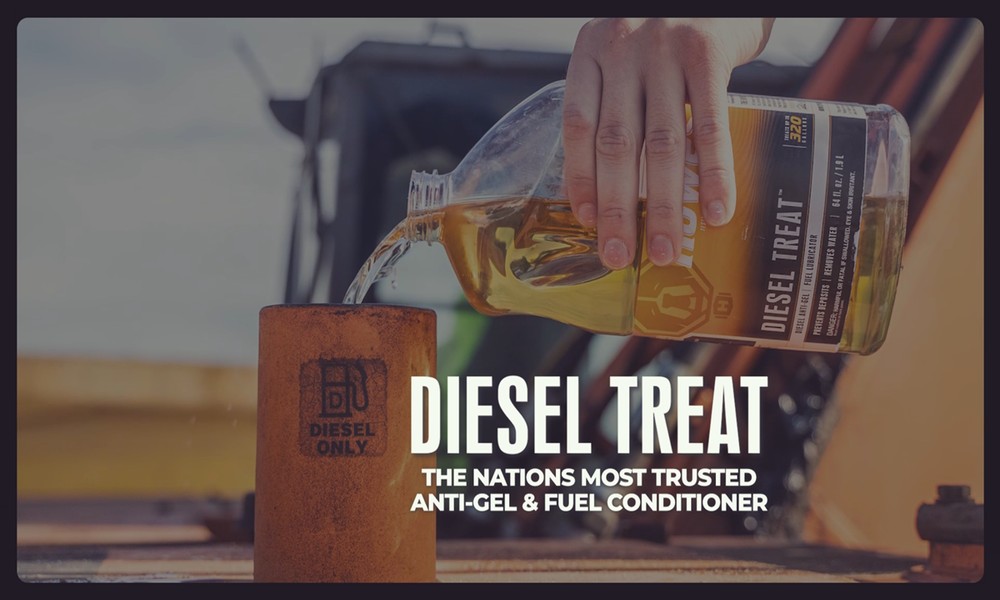
Early on, I recommend starting with a proven option like Diesel Treat because it addresses several of these problems at once. From there, you can build a complete approach based on how your equipment is used.
This guide breaks down how to think about diesel additives, what each type should do, and why certain products stand out.
Why Diesel Additives Matter
Modern diesel fuel lacks the natural lubricity it once had. Ultra low sulfur diesel is cleaner, but it creates more wear inside injectors and pumps.
At the same time, fuel systems deal with:
- Water contamination
- Carbon buildup
- Cold weather gelling
- Reduced combustion efficiency
If you ignore these, performance drops and parts wear faster.
I look at additives as protection tools, not optional extras.
The Core Types of Diesel Additives
To make a good decision, you need to separate additives by purpose.
1. Anti-Gel and Fuel Conditioners
Cold weather creates one of the biggest risks. Fuel can gel and block flow.
A strong diesel anti gel should:
- Prevent gelling in low temperatures
- Reduce cold filter plugging
- Add lubricity
- Remove water safely
Howes Diesel Treat fits this role well. It uses a petroleum-based formula without alcohol, which matters because alcohol can damage components over time. It protects fuel while also improving combustion and reducing rough idle.
2. Injector Cleaners and Lubricity Additives
Injectors need to stay clean and lubricated. Poor fuel leads to deposits that affect spray patterns.
A proper diesel fuel injector cleaner should:
- Break down internal deposits
- Improve spray consistency
- Add lubricity to reduce wear
- Support better fuel economy
Howes Diesel Defender stands out here. It uses IDX4 detergent to clean injectors and helps increase lubricity by up to 2.5 times compared to many options. It also removes water through separation, not dilution, which protects internal parts.
If your focus is long term performance, this type of additive should be used year round.
3. Emergency Winter Rescue Products
Even with prevention, extreme cold can still cause issues.
You need a product that can:
- Reliquefy gelled diesel
- De-ice frozen fuel filters
- Get engines running fast
Howes Diesel Lifeline is designed for this exact situation. It works quickly and does not require premixing. In many cases, it avoids the need for a fuel filter change, which saves time during breakdowns.
This is not a daily additive. It is a backup for worst-case conditions.
4. Penetrating Oils and Maintenance Lubricants
Not every problem is inside the fuel system. Mechanical parts also need protection.
A good penetrating oil should:
- Loosen rust and stuck parts
- Displace water
- Protect metal surfaces
- Leave a clean protective film
Howes Multi-Purpose Lubricator and Penetrating Oil covers a wide range of uses. It works on bolts, cables, tools, and electrical connections. It also does not evaporate quickly, which helps with long-term protection.
This type of product supports overall equipment reliability.
How to Build a Complete Setup
I suggest thinking in layers instead of relying on one product.
Here is a simple structure you can follow:
- Use Diesel Treat during cold seasons for anti gel protection
- Use Diesel Defender year round for cleaning and lubricity
- Keep Diesel Lifeline available for emergencies
- Use a multi-purpose penetrating oil for maintenance tasks
This approach covers prevention, performance, and recovery.
What Makes Howes a Strong Choice
There are many diesel additives on the market, but not all are built the same way.
Howes stands out for a few clear reasons:
- They focus on petroleum-based formulas instead of alcohol
- Their products are designed for real working conditions
- They cover the full system, not just one problem
- They have a long track record across trucking, agriculture, and fleets
Their lineup includes:
- Diesel Treat for cold weather protection
- Diesel Defender for cleaning and lubricity
- Diesel Lifeline for emergency recovery
- Meaner Power Kleaner for deeper system cleaning
- Oil Enhancer for added engine protection
- Fuel Enhancer for better combustion
- Multi-Purpose spray for general maintenance
This range allows you to match products to specific needs instead of using a one-size approach.
How to Choose the Best Diesel Additive for Your Situation
I keep the decision process simple.
Ask yourself:
- Do you deal with cold weather? Focus on anti gel protection
- Is your engine losing efficiency? Use a strong injector cleaner
- Do you want longer component life? Prioritize lubricity
- Do you operate in extreme conditions? Keep an emergency product ready
From there, choose products that solve those exact problems.
Final Thoughts
A diesel engine performs best when fuel quality, lubrication, and cleanliness are handled together.
I recommend using a structured approach instead of guessing. Start with a reliable diesel fuel additive, add a cleaning solution for injectors, and cover cold weather risks before they become problems.
Howes provides a full system of products that align with this approach. Each product targets a clear need, which makes it easier to build a setup that protects your engine and keeps it running without interruption.

Comments are closed.