
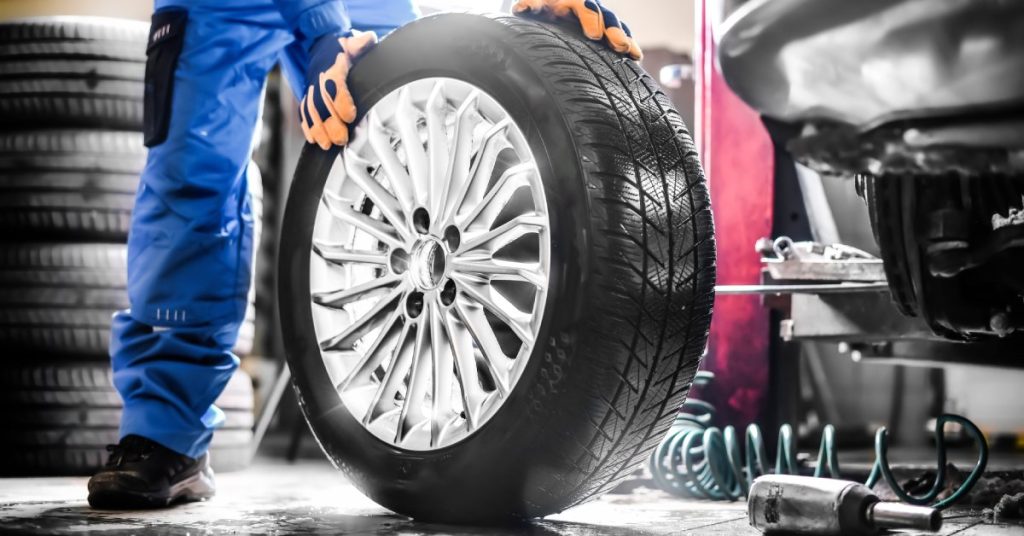
Smooth motion on the road depends on careful air balance inside each wheel. A stable tire condition supports steady movement while reducing wasted energy during daily driving. Small checks done often can protect running parts and lower fuel spending over time. Many people ignore pressure balance even though it shapes performance strongly. Paying attention to air levels builds better habits that support savings, safer movement, and informed choices guided by tire reviews.
Accurate Pressure Check Routine
Checking air levels often prevents uneven rolling resistance and wasted fuel. A correct reading supports stable contact with the ground and smooth motion. Consistent inspection builds awareness about slow air loss before damage grows. This simple habit protects rubber parts and keeps driving predictable. When people rely on tire reviews, they gain guidance that improves decision-making and long-term upkeep.
Balanced Air Level Control
Maintaining proper air balance reduces strain on moving parts during daily use. Even pressure spreads weight evenly, which lowers drag and supports fuel savings. Drivers who follow a steady routine notice smoother steering and quieter motion. A correct balance also protects the outer rubber from early wear.
Daily Monitoring Habits Guide
Simple habits make air care easier and more dependable each day. A quick visual check encourages awareness before long drives begin. Gentle handling avoids sudden stress that harms the rubber structure. Calm driving patterns support stable rolling and lower fuel waste.
Smart Inflation Adjustment Tips
- Careful inflation keeps rolling smoothly while lowering energy waste during motion.
- Gentle correction protects the outer rubber and improves steady ground contact daily.
- Regular inspection encourages awareness and reduces hidden pressure imbalance risk.
- Balanced air levels support fuel savings and extend rubber working life.
- Calm adjustment habits prevent strain while promoting stable driving behavior.
Long-Term Efficiency Planning
Planning regular inspection schedules prevents neglect and supports dependable motion. Structured routines create discipline that protects running parts over time. Small adjustments made early avoid larger repair costs later. A thoughtful plan builds steady fuel control and smoother handling.
Steady care of air balance shapes smoother movement and lowers fuel use across daily driving. Gentle habits combined with routine inspection protect rubber parts while extending working life. The article shows that attention does not require complex tools but depends on discipline and awareness. Following a simple schedule creates dependable motion and reduces surprise failures.
FAQs
Why does correct air balance improve daily fuel savings during motion?
Proper balance lowers drag and supports smooth rolling, which saves energy.
How often should air levels be checked for steady driving performance?
Weekly inspection maintains stability and prevents hidden pressure loss problems.
Can stable pressure habits extend the rubber lifespan during regular driving?
Yes, consistent care reduces strain and protects the outer structure over time.

Comments are closed.