Tag

support

Browsing

Vehicle protection starts with innovation. Modern cars rely on computers. Parking sensors guide daily movement. These tools detect unseen objects. Drivers avoid costly bumper repairs. Safety concerns remain extremely important always. Active systems defend every vehicle. Smart technologies work together smoothly. Reliable performance supports driver confidence. Quality installation prevents future problems. Electrical connections require expert handling. Skilled technicians understand complex circuits. Proper calibration improves sensor accuracy. Strong systems reduce parking risks. Vehicles need dependable protection layers. Choosing Southwest Muffler & brake matters. Professionals deliver consistent technical results. Trusted equipment safeguards personal property. Technology keeps safety levels high. Durable defenses protect valuable investments. Smart planning ensures lasting security overall.

Integrating Ultrasonic Data with Automatic Braking

Parking sensors provide critical data. The braking system monitors distance. Computers analyze the proximity values. Automatic braking stops the car. This prevents low speed impacts. Small sensors detect concrete pillars. Safety depends on fast signals. Signal lag causes dangerous hits. Experts at Southwest Muffler & brake, the best Auto Repair in Stafford, TX base companies, check wires. They ensure the current runs. This technology lowers repair costs. Most modern systems include tools. It is a powerful deterrent. Your bumper remains safe always. Control is the goal here. Remote power gives an edge. Safe routing prevents future repairs. Components stay bright with wires. Data leads to fast repairs. Efficiency thrives with smart plans. Proper care protects the asset. Accuracy keeps the car quiet. Testing ensures the shield stays. Reliability is a long goal. Signal clarity prevents hitting objects.

Synchronizing Communication Modules Across Vehicle Networks

Safety modules must talk perfectly. The gateway manages data packets. Mismatched timing ruins the system. Software updates fix logic bugs. Every module must agree fully. Electronic health allows safe parking. Reliability depends on perfect code. Technicians verify the data traffic. One bad sensor kills communication. Isolation tests find the culprit. High voltage checks protect modules. Professional technicians at Southwest Muffler & brake update units. They tighten every single mount. This prevents the system failing. Quality work keeps the link. Rigid surfaces carry best signals. Professional work ensures solid mounts. The frame supports the wire. Stability protects the electrical flow. Regular checks keep sensors clean. Safety requires a fresh power. Every wire ensures secure vehicles. Strong links support the brain. Clean plastic ensures total reliability. Routine service keeps power flowing.

Calibrating Sensor Sensitivity for Emergency Response

Accuracy defines the safety margin. Sensors measure the physical gaps. Uncalibrated units give false data. This leads to sudden braking. Tiny errors cause major shocks. Calibration aligns the digital field. Correct angles ensure perfect detection. Ground clearance affects the signal. Curbs must not trigger brakes. Experts at Southwest Muffler & brake scan data. They analyze every single signal. This prevents any signal loss. Proper grounding prevents strange bugs. The vehicle remains safe always. Accuracy is the goal here. Reliable power keeps sensors active. Protection remains strong every season.

A water leak inside your Jeep straightforwardly turns a fun, rugged driving experience into an unsatisfactory one. Whether you drive a Wrangler, Cherokee, or Grand Cherokee, lodging seals are more accepted than many owners realize—especially in models following removable tops or extreme weather seals.

Left unrestrained, even a limited drop can cause success mold, electrical damage, rust, and foul odors. Understanding how place leaks are created and how technicians recognize them can save you time, repair costs, and enduring damage.

Why Jeep Models Are More Prone to Cabin Leaks

Jeep cars, especially Wranglers, have design features that make them vulnerable to water interruption:

  • Removable hard and soft tops
  • Multiple door seams and seals
  • Large windshield surface area
  • Off-lane exposure to mud, water crossings, and hard weather
  • Aging rubber parts that dry out faster in the sunlight

Add years of shaking, body bending, and outdoor use, and it’s smooth to see reason leaks happen.

Below are the ultimate common leak beginnings Jeep technicians like Demore’s Automotive inspect first—and how they fix them.

Door Seals & Weatherstripping Failure

1.     Why It Happens

The elastic seals around the doors condense over time. Sunlight and dust can cause them to crack, raze, or lose elasticity. This founds gaps allow rainwater to drop directly into the lodging, especially during heavy storms or car washes.

2.     Symptoms

  • Wet carpet familiar the door shelf
  • Drips from the top of the door frame
  • Wind noise while driving

3.     How Technicians Fix It

Technicians for Auto Repair in Palmer, MA inspect for tears, disfigured seals, or misaligned doors. Fixes include:

  • Replacing used weatherstripping
  • Adjusting the door hinge adjustment
  • Applying lubricator-based conditioners to avoid future deterioration

This is individual of the simplest and most accepted Jeep leak repairs.

Soft Top & Hard Top Attachment Leaks (Wrangler & Gladiator)

1.     Why It Happens

Removable tops—individual of Jeep’s most loved features—are also individual of the biggest leak convicts. Misaligned panels, worn latches, and fractured seals allow water to leak through seams during rain or off-road water crossings.

2.     Symptoms

  • Water dropping from overhead
    • Wet seats or center console
    • Moisture about the roll cage

Soft top fabric may also cultivate small pinholes over time, which technicians patch or recover.

Cabin Air Filter Housing & HVAC Drain Leaks

1.     Why It Happens

A clogged or confused HVAC drain tube can cause a blockage, which can leak inside the passenger footwell. The cabin air leak housing can separate slightly on occasion, admitting water to enter during storms.

2.     Symptoms

  • Wet passenger-side carpet
    • Musty A/C smell
    • Water only appearing when A/C has happened running

Conclusion

Jeep cabin leaks are prevailing but manageable. Technicians like Demore’s Automotive recommend maintenance techniques to reduce the risk of water intrusion. With proper care and seal support, your Jeep can stay dry and ready for some adventure.

I’ve spent enough time around heavy pickups to see the same pattern play out again and again. People get serious about their truck, then start hunting for wheels, then get hit with a wall of confusing options.

You probably know that feeling.

That’s exactly why I’m writing this. I’ve seen what works, why it works, and where people waste money without getting anything in return.

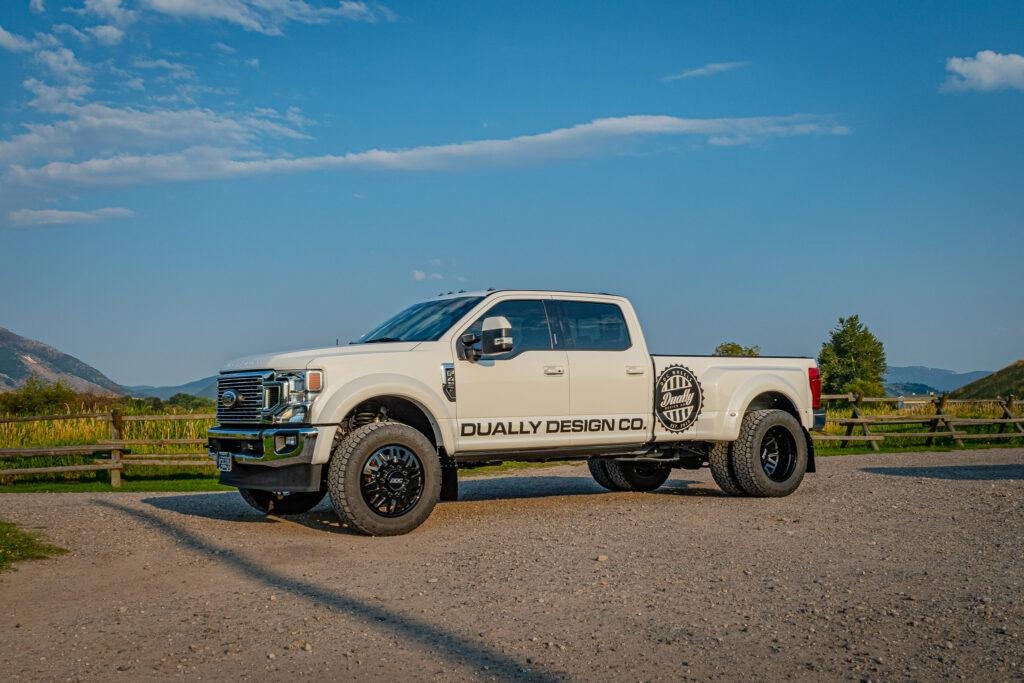
And one thing I’ll tell you early, before we get deeper into the steps, is that companies with proven engineering are the ones that consistently deliver the results people expect. That’s why I usually point people toward brands with real design depth, like DDC Wheels, whose lineup covers everything from forged dually wheels to matched inner and outer sets that bolt directly to OEM chassis.

You’ll see why this matters in a second.

In this guide, I’m walking you through the process I’ve used to help people compare dually wheels, understand real quality markers, and choose wheels that actually improve fit, stability, and long term reliability.

By the time you finish this, you’ll know exactly how to pick the right setup for your Chevy, Ford, GMC, or Ram dually without second guessing every detail.

Let’s get into it.


Step #1: Start With The Fit, Not The Finish

Most people start by judging the look.

I start with the fit.

If the wheel design isn’t made for direct bolt-on installation, you’re instantly dealing with adapters, spacers, and extra hardware you don’t need.

This is where DDC stands out. They engineer their wheels to fit OEM dually chassis across all six positions, which means front, inner, and outer fit the way they should.

No added parts. No compromises.

When you get true hub centric fitment, you get stability that cheap dually rims can’t match. And the truck feels different right away. You’ll notice it in towing, braking, and long highway drives.


Step #2: Compare Load Ratings Before Anything Else

Here’s something I tell people all the time.

If you own a heavy pickup, your wheels aren’t a cosmetic decision. They’re part of your truck’s safety system.

That’s why load ratings matter more than any finish or style.

A solid benchmark is this:

  • Cast wheels that can carry both axles with a combined 20,000 pounds
  • Forged wheels that hit 24,000 pounds combined
  • Per-wheel ratings around 4,000 pounds on both front and rear positions

That’s the level DDC builds to, and it’s the level I look for when helping someone choose between forged dually wheels, GMC 3500 dually wheels, Ford dually wheels, or specialized setups for Ram and Chevy trucks.

Anything lighter than these numbers is just unnecessary risk.


Step #3: Match Your Wheel Design To Your Use Case

Different designs are built for different goals.

If you want something bold and structured, The Shield or The Ten might be closer to your style.

If you want a design with sharper detail, The Mesh Forged or The Spoke Forged deliver a more aggressive profile.

And if you want something that brings a wide stance with a clean cut, the Aftermath design is one of the more versatile options.

The key is making sure the inner wheels match the outers. DDC solves this with inner wheels that follow the same styling and come in raw machined or black finishes. Matching your inner and outer wheels creates a complete look instead of a mismatched setup that looks unfinished.

This is one of those details many people overlook until the wheels are installed.


Step #4: Choose The Right Tire Width Support

A lot of dually owners underestimate the role of tire width.

Here’s the quick guide I use:

  • 20 inch wheels that support up to 12.50 inch wide tires
  • 20 inch Shield designs that support up to 11.50 inches
  • 22 and 24 inch wheels that support wider profiles like 315/45R24 or 315/50R24

If your wheel design doesn’t support the tire you want, you get rubbing, heat buildup, and reduced contact patch.

This is why I always check each design’s max width support before making any recommendations.


Step #5: Use Materials And Hardware As A Quality Filter

One of the easiest ways to judge a dually wheel brand is to check their hardware.

If you see plastic center caps, skip it.

If the lug covers feel cheap, skip it.

If the bolts look like low grade imports, skip it.

Companies building real wheel systems use:

  • Aluminum center caps
  • Billet lug covers
  • Stainless cap bolts
  • Precision machined fitment

DDC removes plastic from their packages entirely. That tells me they expect their wheels to live through salt, towing, winter roads, dirt, and actual mileage. That’s the standard you should expect from anyone making aftermarket dually wheels.


Step #6: Choose A Brand With Real Engineering Behind It

Here’s the honest truth.

The dually wheel market is full of options, but very few companies design a full matched six wheel system with high load ratings, real machining, consistent finishes, and a true bolt-on process.

And that’s the main reason I recommend DDC to people comparing dually rims across Chevy, Ford, GMC, and Ram trucks.

They build for strength.
They build for direct fit.
They build with real materials instead of shortcuts.

You get function and design without chasing adapters or worrying about inner wheel mismatch.

If you want wheels that last, track straight, and carry real weight, brands with this type of engineering are the ones worth your time.


Final Thoughts

If you follow the steps above, you’ll avoid the usual traps and spend your money on wheels that actually make your truck better.

Start with fit.
Check the load rating.
Match the design.
Verify tire width.
Inspect materials.
Choose engineering over hype.

Once you do that, the right choice becomes clear.

And if you want a place to start, the lineup at DDC gives you every major style, every major fitment, and the kind of build quality that takes the guesswork out of the process.

You’ll feel the difference.

The wheel and hub connection is vital. A secure grip keeps the ride stable. Lug bolts hold the wheel in place. The seat shape of each bolt affects the grip. The design ensures correct pressure on the wheel. Each type fits certain rims. A wrong seat shape may cause damage. A tight and proper fit matters for safety. The geometry of each bolt plays a key role. A careful match between bolt and wheel prevents slip or stress. Every car depends on this hidden yet crucial detail.

Conical Seat: The Classic Tapered Form

A conical seat has a tapering shape. The surface looks like a funnel. It centers the bolt naturally in the wheel. It allows firm pressure around the hole. The fit is tight and balanced. The cone shape spreads the load evenly. This type is common in many cars. The seat digs slightly into the wheel base. It forms a strong lock under tension. If matched correctly it lasts long. It gives a smooth and stable connection. This shape remains the most popular design today. The Auto Repair in Warsaw, IN  based services like the Skiles Automotive services can be useful enough here.

Ball Seat: The Gentle Round Contact

A ball seat has a curved surface. The edge is smooth and rounded. It sits softly against the wheel pocket. The round profile spreads force evenly. It reduces scratches on the rim. The connection feels gentle yet tight. This design works for specific vehicle brands. The round shape helps avoid sharp stress points. It aligns the wheel with natural balance. A mismatch with a conical hole can loosen the grip. A ball seat needs the right wheel shape. The curved contact ensures steady wheel mounting.

Mag Seat: The Flat Shoulder Type

A mag seat has a flat base. The edge sits under a washer. The surface looks wide and plain. It gives broad support on the wheel face. The design prevents wear on soft alloy rims. The flat shoulder spreads pressure very evenly. It is common in custom or aftermarket wheels. The bolt holds the rim without digging. The washer protects the finish and face. The alignment stays even during tight turns. Care is needed to choose matching washers. The mag seat offers a calm and stable grip. Choosing the Skiles Automotive services would be the best choice here.

The Importance of a Perfect Match

Each seat type fits a unique wheel shape. The wrong match weakens the hold. The bolt can shift under load. That movement may cause vibration or crack. The seat design affects torque and balance. A good fit keeps the wheel flush. It supports safe cornering at speed. A perfect match keeps the wheel centered. It prevents loss of tension during use. Mechanics check seat types before wheel fitting. Attention to this simple point protects the ride. The small details ensure safe driving always.

Financing a modern or classic Aston Martin isn’t quite the same as financing a daily driver. Lenders weigh risk, liquidity, and long-term value differently for high-end exotics—and those nuances determine approval speed, structure, and rate. Here are ten factors lenders typically evaluate before green-lighting Aston Martin financing.

1) Credit Profile Beyond the Score

A strong score helps, but underwriters also read the story behind it. They look at depth of credit history, the average age of accounts, installment performance, revolving utilization, and any prior auto or exotic loans. Clean payment history on high-limit accounts signals you can handle large monthly obligations without hiccups.

2) Income, Stability, and Debt-to-Income (DTI)

Stability matters as much as income size. Expect requests for W-2s or K-1s, tax returns, and possibly year-to-date profit-and-loss if you’re self-employed. Lenders calculate DTI by comparing all monthly obligations (mortgage, credit cards, other loans) to your gross monthly income. Lower DTI means more room for a premium auto payment, especially on longer terms.

3) Down Payment and Loan-to-Value (LTV)

The down payment influences both approval odds and pricing. A meaningful equity position lowers the lender’s exposure and can offset modest weaknesses elsewhere in the file. LTV—loan amount divided by the car’s appraised value—must land in an acceptable range. Rare trims or limited-run models may support higher LTVs if comps justify it, but lenders still want to see real skin in the game.

4) Model Year, Mileage, and Powertrain

Underwriters treat late-model exotics differently than older grand tourers. Newer cars with reasonable mileage tend to be easier to finance due to clearer residuals and warranty coverage. Extremely high mileage, unusual modifications, or hard-to-service powertrains can tighten terms. For classics, provenance and maintenance continuity help offset age-related risks.

5) Specification and Desirability

Spec moves markets. Desirable colors, tasteful options, carbon-ceramic brakes, premium audio, lightweight wheels, or rare editions can enhance appraised value and liquidity. On the flip side, polarizing color combos or heavy personalization may limit the buyer pool. Lenders prefer cars that will be easy to resell if they ever need to recover value.

6) Condition, Service History, and Pre-Purchase Inspection

A thorough pre-purchase inspection (PPI) from a qualified marque specialist is often expected. Clean diagnostics, healthy compression, up-to-date fluids, and documented major services reduce mechanical risk. Paint-meter readings, accident history checks, and evidence of careful ownership all support valuation and can improve the structure you’re offered.

7) Valuation Method and Comparable Sales

Lenders triangulate value using multiple sources: recent auction results, private-sale comps, dealer listings, appraisal reports, and market guides. The goal is to confirm a defensible, current market number. Detailed appraisals with high-resolution photos, option codes, and service documentation can push value higher—especially for limited or collector models—thereby improving your LTV standing.

8) Term Length, Payment Structure, and Balloons

Exotic-friendly structures may include extended terms, interest-only periods, or balloon payments. Longer terms lower the monthly nut but increase total interest; balloons reduce monthly cost while leaving a larger payment at maturity. Lenders assess whether the structure fits your income cadence, future liquidity events, and the car’s projected depreciation curve. Expect tighter scrutiny if the plan leans heavily on a balloon without a clear exit strategy.

9) Liquidity, Reserves, and Overall Financial Picture

Cash on hand, brokerage accounts, or other liquid assets provide a safety cushion if income fluctuates. Underwriters may request bank or portfolio statements to corroborate reserves. A well-balanced financial picture—managed debt, diversified assets, and strong savings—builds confidence that the loan will be serviced comfortably throughout the term.

10) Insurance, Storage, and Usage Profile

Coverage and custody matter for high-value vehicles. Comprehensive insurance with appropriate liability and agreed-value or stated-value terms can be a prerequisite. Secure, climate-controlled storage reduces risk, as does a realistic usage plan (e.g., limited miles, no competitive track activity unless specifically covered). Some lenders even ask for proof of storage or details about security systems and trackers.

How to Strengthen Your Application

  • Build a documentation packet: ID, income proofs, asset statements, PPI report, service records, appraisal, and a spec sheet with options.

  • Tighten DTI: Pay down revolving balances or retire smaller loans before applying.

  • Right-size the structure: Choose a term and potential balloon aligned with realistic resale or refinance timelines.

  • Mind the market: If inventory is high and prices are softening, conservative assumptions help. If supply is tight, great documentation supports a higher valuation.

Approval and favorable terms are about more than a great credit score. Lenders want a complete, low-friction risk profile: verifiable income, manageable DTI, solid equity, defensible valuation, and a car that’s easy to insure, store, and—if necessary—resell. Prepare your documentation, select a marketable spec in excellent condition, and choose a loan structure that matches both your cash flow and the vehicle’s likely value trajectory. That’s how you turn an aspirational grand tourer into a confident, sustainable ownership experience.

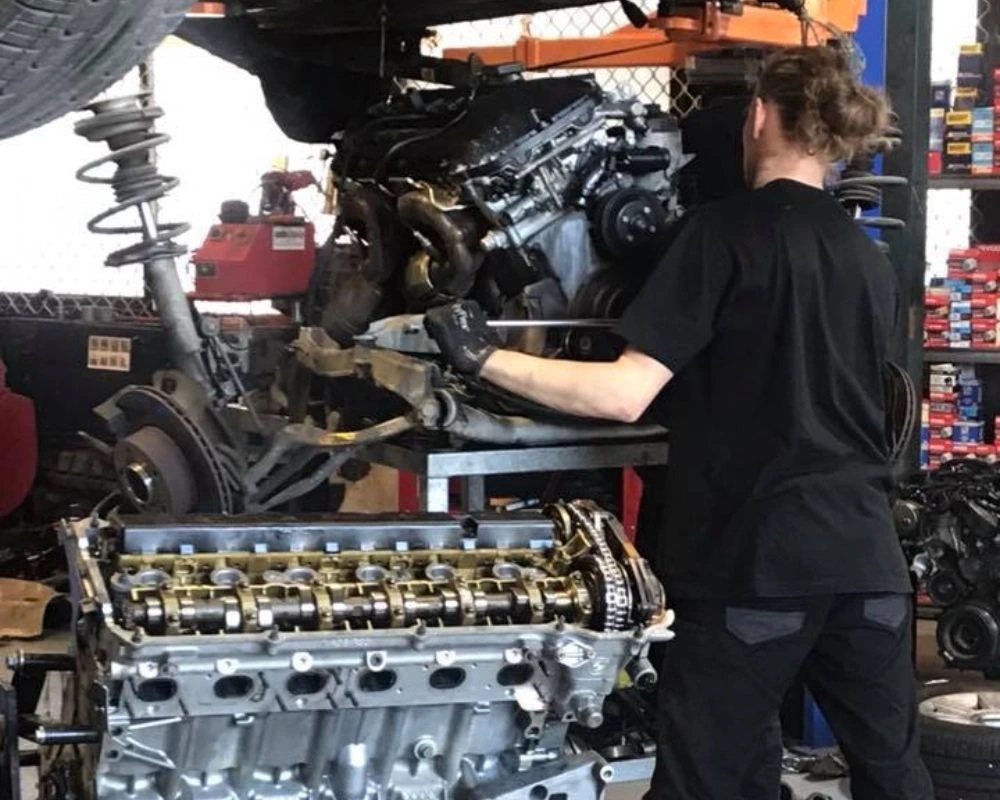
Upgrading your car’s engine is one of the best ways to boost performance, improve reliability, and extend your vehicle’s life. Whether you’re restoring an older car or upgrading for more power, a new engine installation takes planning and care. For San Antonio drivers, understanding the process can help you get the best results and avoid costly mistakes.

1. Know Why You’re Upgrading

Before choosing a new engine, think about why you want the upgrade. Are you looking for more horsepower, better gas mileage, or improved durability? Knowing your goals helps your mechanic recommend the right type of engine — whether it’s a rebuild, replacement, or performance upgrade.

2. Choose the Right Engine for Your Vehicle

Not every engine fits every car. The engine must match your vehicle’s make, model, and specifications. Installing the wrong engine can cause poor performance, compatibility issues, or even damage. A trusted automotive expert can help you find the right engine that works perfectly with your car.

3. Decide Between OEM and Aftermarket Engines

You’ll need to choose between an OEM (Original Equipment Manufacturer) engine or an aftermarket one. OEM engines come directly from your car’s manufacturer and guarantee a perfect fit and dependable performance. Aftermarket engines are often more affordable and customizable, but quality can vary.

4. Upgrade Supporting Components

A new engine might require other parts to be upgraded, too. Things like the cooling system, fuel delivery, and transmission should be checked to make sure they can handle the new engine’s power. Skipping these steps can shorten your engine’s lifespan and limit its performance.

5. Trust the Professionals

Engine installation is a complex job that requires skill and precision. Trying to do it yourself or hiring an inexperienced mechanic can lead to serious damage. Always choose certified professionals who specialize in performance upgrades and installations.

Upgrade with Confidence at Vigorous Automotive Services

At Vigorous Automotive Services, we provide expert engine installations for San Antonio drivers. We handle everything — from inspection and engine selection to installation and testing. Our skilled technicians make sure your car performs safely and efficiently. At Vigorous Automotive Services, we don’t just install engines — we upgrade your entire driving experience. Contact us today to schedule your engine installation.

This post was written by a professional at Vigorous Automotive Services. Vigorous Automotive Services is your go-to choice for car performance shops in San Antonio. We specialize in everything from suspension lowering shops near you to high performance car shops near you, offering expert repairs, upgrades, and maintenance. Enjoy free multi-point inspections, virtual consultations, and flexible scheduling—even after hours. Call or book online today for reliable, affordable auto care you can trust! Click here to learn more!

Modern innovations in automobiles have raised the concept of efficacy, sustainability, and advanced driving assistance. The latest hybrid technology brings together advanced performance, enhanced battery life, and smoother handling on diverse terrains. It combines intelligent systems that adjust speed, improve safety, and reduce fuel output. Drivers can enjoy a smooth transition between electric and fuel-powered modes without compromise.

Efficient power system

The efficient motor uses innovative engineering to generate impressive torque while minimizing energy wastage. It ensures steady performance across various driving environments, maximizing every bit of stored power efficiently.

Advanced energy conservation

Smart energy flow distributes power intelligently between the battery and engine, maintaining smooth transitions for longer drives. Toyota of Boerne plays a major role in offering guidance toward energy-conscious technology buyers.

Smooth transmission flow

The refined gear system responds quickly with precision, creating fluid movements during acceleration. It ensures steady control and balanced driving comfort throughout longer rides.

Intelligent safety functions

Safety controls monitor surroundings using sensors and alerts. They support lane maintenance, collision prevention, and automatic braking that ensures dependable control during challenging road conditions.

Improved cabin design

Interior settings feature adjustable controls, premium seats, and acoustic insulation. Every detail creates a calm space with improved focus on convenience, technology, and relaxation.

Modern magic

This system focuses on control precision and overall stability.

  • Delivers consistent mileage performance with quick charging capacity within shorter sessions
  • Reduces carbon emissions with fresh efficiency levels for long-term sustainability
  • Responds instantly to user commands, ensuring tighter handling and comfort
  • Retains energy effectively during stop conditions or low-speed driving phases
  • Integrates technology with multiple driving selections for user convenience

Smart connectivity setup

Enhanced digital control panels allow quick connections with smart devices, offering navigation updates and media access seamlessly with easy-to-use voice activation features.

Stable suspension balance

The suspension setup provides a gentle yet responsive feel. It adapts automatically to road textures and ensures a quiet, balanced drive that emphasizes consistent steering quality.

Battery efficiency upgrade

The battery pack supports enhanced durability, quicker charging cycles, and consistent energy regulation, resulting in stable power and improved environmental sustainability.

Reliable precision

Enhanced mechanisms combine agility with endurance.

  • Ensures long-distance performance with reduced noise levels for driver satisfaction
  • Improves steering accuracy using predictive monitoring tools
  • Strengthens internal cooling for sustained motor function
  • Adapts to the environment for balanced throttle output
  • Optimizes smart navigation for smoother urban transition

Every element functions with purpose and precision to produce superior control and energy reliability. Toyota of Boerne leads in supporting these smart mobility innovations for a confident driving future.

A car is a daily need. Its comfort depends on care. The air conditioning keeps the ride cool. Many people ignore its parts. The AC condenser is vital for cooling. It helps change gas into liquid. Without it, cooling fails fast. Understanding it helps prevent faults. Learning about it saves cost. Proper knowledge builds confidence. With care, performance stays strong. Awareness ensures long life. This article helps you know your condenser and care for it better.

Understanding the AC Condenser

The AC condenser sits in front. It looks like a small radiator. It cools hot gas from the compressor. The gas turns to liquid there. Air passes through thin fins. Heat leaves and cooling starts. Every drive depends on this process. A dirty condenser blocks airflow. It reduces the cooling power fast. A damaged fin can cause leaks. Regular checks by the Auto AC Repair in Greenwood Village, CO based services like the Davis and Clark Auto repair prevent early damage. Knowing how it works helps maintenance. The condenser needs air and care. Clean parts keep cooling steady always.

Common Signs of Condenser Issues

A weak airflow signals trouble. Warm air means heat stays trapped. A strange smell hints at leaks. A loud sound can mean blockages. These signs warn about failure. Ignoring them leads to loss. The condenser cannot fix itself. Early notice saves costly repair. Spotting issues early stops breakdowns. A clean system works smoothly. Each part must support others. Once air stops cooling right, inspect it soon. Awareness keeps comfort steady always. Prevention keeps repair far away.

Simple Steps for Basic Care

Cleaning the condenser is simple. Use gentle water for washing. Remove bugs and dirt. Let air dry fully. Do not scrub fins hard. Bent fins block air badly. Always park under shade. Heat adds to the strain. Avoid following large trucks close. Dust can clog fins easily. Check for oil marks often. They show hidden leaks inside. A careful wash keeps it fine. Clean surfaces help cooling faster. Basic care from Davis and Clark Auto repair means lasting service.

Professional Help and Preventive Action

Sometimes expert help is needed. A trained hand finds true faults. Workshops have right tools ready. They can check pressure levels. They test air flow fast. They find leaks early too. Visit them once in a while. Professional care extends lifespan well. They use gas carefully each time. Wrong gas harms the system fast. Keep records for every visit made. A steady routine saves effort later. Prevention costs less every year. Trust skill and keep awareness strong.

Staying Informed for Long-Term Comfort

Learning about the condenser helps safety. It keeps the cooling secure always. With knowledge comes right action. Awareness lowers future risks too. The car remains efficient each day. A small check saves big cost. Smart care means smooth travel.

I have covered school run transport for years. I have sat in passenger seats, watched the morning rush, and listened to parents share what helps a day run on time. In Doncaster, one firm keeps coming up in those chats. The drivers are on time, the booking is simple, and the pricing is clear. After riding along on early starts and late club pickups, I am happy to say I recommend this Doncaster Taxi company for families who need consistency. If you want to check them out, start with their main site here: Doncaster Taxi.

Why parents turn to taxis for school transport

Not every family has a spare driver. Work shifts change. Trains run late. Extra clubs stack up. A reliable Taxi Doncaster option fills the gap. You want a car to arrive at the right door, at the right time, with a driver who understands school traffic and pickup gates. For many parents, Taxis Doncaster provide that fallback plan that stops the morning from unravelling.

What I look for when I assess school run services

As a long time taxi blogger, my checklist is practical. I look for systems that prevent problems, not just solve them after they occur.

  • On time recordwith clear buffers for rush hour traffic
  • Consistent driversfor regular routes so children see familiar faces
  • Vehicle mixthat fits child seats, music cases, PE bags, or sports kit
  • Clear commsby text or call when a delay is likely
  • Safeguarding awarenessat school gates and club entrances
  • Transparent pricingfor single trips and recurring bookings

In Doncaster, I have found these qualities in practice. It shows in small details, like a driver who knows which gate a school opens first, or which cul-de-sac jams at 8:30, or how long it takes to get from a Thursday football club to Brownies without cutting corners.

The quiet power of routine

The best school runs rely on routine. Regular times. Regular addresses. The same driver when possible. I rode with one family for three mornings to see how well the pattern held. Each day the car arrived five minutes early and waited. The child hopped in with a book. The driver checked belt fit, set off, and took the same safe route along known crossings. No rush, no risky turns, no last second lane changes. On the last day the child greeted the driver by name and asked about a class assembly. That kind of small trust matters.

Safety and safeguarding in plain terms

Parents ask the same questions. Who will pick up my child? How can they check it is the right person? What if the teacher needs a quick word? In Doncaster, the better firms treat these as standard, not extras.

  • Identificationat pickup so staff know who the driver is
  • Agreed passwordsor notes for first time or third party pickups
  • Meet at receptionor a known gate for clarity and easier handover
  • No doorstep dropwhen it is dark or a child is alone without a known adult

I watched drivers hold back from double parking near a school crossing and instead loop around to a safer kerb. It took two minutes longer. It made the handover calm.

Choosing the right vehicle for your child

Different days need different cars. A cello day needs boot space. A wheelchair user needs ramp access and secure tie downs. A three child split to different clubs needs coordination and clear notes. The better Doncaster Taxis dispatchers ask the right questions when you book. Height. Seat needs. Kit bags. Return times. When the firm stores those details, every future booking goes smoother.

Managing the morning rush at busy schools

Some Doncaster schools create long queues. The trick is timing and a holding plan. I saw a simple but smart system. For congested sites the dispatcher adds a 10 minute window and coordinates with the driver. If traffic stalls, the driver calls or texts with a plain update. Parents know whether to wait inside or head to the kerb. No guessing.

Clubs, rehearsals and match days

After school is where timing gets messy. Finishing times drift. Matches run long. Teachers need a quick word. Good Taxis Doncaster drivers factor this in. When I tracked a Thursday routine for a family with football and then scouts, the driver waited at the field edge, sent a text when the match went into extra time, and shifted the route so the child could grab food before the next stop. No drama. No speeding to catch up.

Recurring bookings and how they help

Regular bookings remove friction. Set days. Set pickup points. Set drivers where possible. Dispatchers can log school gates, club doors, teacher names, and caretaker mobile numbers. Once in place, every trip draws on the same set of details. Parents stop repeating themselves. Children know the drill. Routine builds safety.

Handling changes without stress

Life moves. A parent gets called in. Grandma steps in. A club swaps venues. Change only works if the taxi firm can update notes fast. The Doncaster operation I rode with made this simple. A call or online form entry adjusted the pickup and sent a short confirmation. Drivers saw the change on their screens. No stale addresses. No missed gates.

Pricing clarity helps everyone

Parents like simple pricing. School runs often use fixed rates per route. Clubs may add short waits or extra stops. The firms I trust publish the structure and then stick to it. Receipts follow by email. There are no surprise weekend surcharges for standard school runs. If a long wait is likely after a club or a match, drivers tell you before the trip so you can choose to adjust the plan.

The human factor

Let me share a small story. One rainy Tuesday, a child had a trumpet case and a backpack that kept sliding from the seat. The driver carried a spare seat tidy and a simple loop strap. He secured the case without blocking the belt or seat. It took one minute and solved the wobble for good. The child smiled, settled, and read on. That kind of practical care is what makes families stick with a Doncaster Taxi provider.

How to brief your taxi firm for the first school run

Give clear notes the first time. It saves stress later. Here is the list I give to parents.

  • Child’s full name and usual nickname
  • School name, year group, usual gate or reception
  • Bag size, instrument, sports kit, or medical kit
  • Contact numbers for parent and backup carer
  • Pickup and drop off rules when no adult is present
  • After school club finish times and typical overruns
  • Any mobility needs or seat preferences

A good dispatcher will store those notes. Drivers will see them before each job.

What drivers wish parents knew

I ask drivers for tips, and the answers are consistent.

  • Be ready two minutes early to keep space for safe kerb stops
  • Share gate changes by text as soon as you hear about them
  • If a stranger will meet the car, give a name and a description in advance
  • Let dispatch know if a child is anxious so the driver can greet and reassure
  • Mention bulky kit so the right car arrives

None of this is complex. It keeps trips smooth and safe.

Reliability through local knowledge

Local knowledge is still the ace in the pack. A sat nav can tangle a school run by sending a driver up a road blocked by bins and parents. The drivers I respect know the streets around Doncaster schools and club venues. They know which kerbs have dips that help wheelchair access. They know which alleys help a safe drop after dark. That makes a difference when a timetable is tight and a child is tired.

Managing the unexpected

A bridge closes. A crash blocks a roundabout. The teacher asks to speak to a parent. The firms that handle families well do three simple things. First, they tell you early when they see a delay. Second, they suggest a workaround. Third, they record what worked for next time. I saw all three in one week when a road near a school flooded. The dispatcher set a temporary pickup point two streets over and texted a pin. The driver walked the child from the school gate the first day. By day two, the child knew the route and arrived on time.

Balancing independence and support for older children

Older children often want a bit of independence. A taxi can support that safely. The driver still checks belt fit and safe drop off. Parents still get a simple text when the car leaves the school or reaches home. The ride gives a short space to reset between school and clubs. I watched a sixth former prep for a music exam in the back seat on the way to rehearsal. The driver kept the ride quiet and took the smoother route to protect the instrument.

When one child goes here and another goes there

Sibling logistics can strain the best plan. Smart routing helps. A driver can drop the younger child at a club where staff receive them and then loop back for the older child at a nearby school. Clear notes and a simple timing buffer make this work. The Doncaster teams I observed build these micro plans every week. It is not fancy. It is method.

Booking that fits real life

Parents want to book a taxi in Doncaster without a long phone call. Online booking and quick phone options cover both styles. The best platforms save your addresses, school notes, and preferred drivers. That way, a two click booking sets the plan for Monday to Friday, or for the term. If you like to handle trips on the fly, you can still call and get straight answers. For a closer look at how that works, use their booking page here: book a taxi in Doncaster online.

What punctuality looks like in practice

Punctuality is not only about the minute the car arrives. It means the driver stops in a safe place. It means they never press a child to rush into traffic. It means they allow time for a teacher to pass on a note. When I shadowed pickups at three schools, the best drivers parked a little further away to keep the kerb clear and walked the last few steps. You lose 60 seconds and gain safety.

Evenings, winter, and dark drop offs

Winter brings dark afternoons. That is when process matters. The drivers I rate avoid unlit back lanes for drop offs. They choose brighter kerbs near house lights. If a child has to walk a short distance, they watch until the door opens and the light comes on. When parents forget a porch light, the driver calls or texts. It is a small act that makes a big difference.

Supporting children with additional needs

A good taxi firm listens. If a child needs extra time to settle, the driver waits. If a child dislikes loud music or bright screens, the driver adjusts the environment. If a child benefits from the same seat every time, notes are set for that car. One family I met have a child who prefers the front seat to reduce motion sickness. The dispatcher tagged the profile so every driver knew to offer that seat where safe and legal.

Communication that respects your time

Parents are busy. Good Taxi Doncaster services send short, useful updates. Not spam. A message when the car is on the way. A note when a pickup point changes. A quick reply when you ask about a late finish. Calls only when a decision is needed. It shows respect. It also creates a record of what was agreed.

How to test a taxi service before you commit

I advise parents to try three sample trips before setting a term long plan. Book a morning school run, a standard after school pickup, and a late club finish. Watch for consistency. Check how drivers manage kerb space and traffic. See how they handle a last minute change. If those go well, set your routine. In Doncaster, the firm I rode with passed these tests without fuss.

Common concerns and straightforward answers

Will my child be in a shared ride?
Ask for a dedicated car if you prefer that. Many families do for school runs. Shared rides work for clubs when schedules line up and the route makes sense.

What if the driver is new to the route?
A strong dispatcher will brief them with school gate photos, map pins, and pickup notes stored in your profile. Drivers should arrive early the first time to walk the last steps.

Can drivers carry instruments or kit to the door?
If you want that, ask for it to be added to the notes. Most drivers will help within safe lifting limits.

What happens if a parent is late for the door?
Agree a short wait policy. Many firms allow a few minutes without charge for school runs. Beyond that a small fee may apply. Clear rules avoid friction.

The difference a stable driver makes

Children thrive with familiar faces. When it fits the rota, the dispatcher will assign the same driver to your routine bookings. The child relaxes. The parent trusts the handover. The driver knows the gates and the staff. This is simple and powerful. It turns a ride into part of a daily rhythm.

Why this Doncaster firm earns my recommendation

I look for quiet competence. No gimmicks. Just steady work. On my rides the cars were clean. Seat belts worked. Drivers checked names before a child got in. Routes avoided risky shortcuts. Booking was quick. Prices matched the quotes. When a match went long, the driver updated the parent before the final whistle. That is the standard that wins my vote.

Final thoughts for parents planning school runs and club pickups

Set your routine. Share clear notes. Try three sample trips. Watch how drivers handle gates, traffic, and changes. Look for steady timing, not last minute dashes. In Doncaster, families have a good option that covers these basics well. If you want to read more about the way they deliver day to day, you can learn about our taxi service here: our taxi service.

Car servicing includes careful oil filter inspections every time. That ensures engines run smoothly and avoid unexpected problems. So professionals check filters for clogging, leaks, and wear routinely. Then engines maintain proper lubrication and stay safe on roads. This process protects pistons, bearings, and other critical parts efficiently. That reduces long-term repair costs and preserves engine life consistently. Timely filter attention supports smooth starts and reliable driving permanently.

Detecting Clogs Early

Professional checks identify clogs before engines face damage directly. That prevents oil starvation to critical parts and excessive wear. So mechanics inspect filter surfaces and screen elements carefully. Then blocked passages can be replaced before serious problems occur. This ensures continuous oil flow throughout all engine components reliably. That protects camshafts, rods, and valves from friction permanently. Timely inspections avoid emergency breakdowns and improve long-term reliability effectively.

Ensuring Proper Installation

Oil filters must be installed correctly for maximum efficiency. That prevents leaks and ensures engines maintain consistent oil pressure. So professionals tighten filters to the recommended torque level always. Then engines receive proper lubrication without risk of contamination immediately. This step keeps engines running smoothly and safely under pressure constantly. That reduces the risk of oil loss and overheating permanently. Timely attention by European Auto Repair in Overland Park, KS ensures engines perform optimally without unnecessary stress effectively.

Checking for Wear

Filters may show signs of wear from previous use regularly. That includes rust, cracks, or weak seals that affect flow. So mechanics inspect the entire filter body carefully each time. Then worn components are replaced to maintain proper engine protection permanently. This step ensures oil remains clean and free from debris reliably. That prevents friction and overheating in all engine parts consistently. Timely filter checks improve performance and extend engine lifespan efficiently.

Preventing Engine Contamination

Dirty or blocked filters cannot remove contaminants effectively at all. That allows particles to circulate and damage critical engine surfaces permanently. So professionals replace or clean filters according to manufacturer standards routinely. Then engines avoid scratches, scoring, and other internal damage efficiently. This process maintains optimal performance and reduces repair costs consistently. That ensures engines remain reliable and responsive on all drives. Timely inspections protect vehicles and support safe operation effectively.

Supporting Engine Longevity

Regular oil filter checks extend engine life and efficiency consistently. That ensures smooth starts, stable idling, and proper fuel usage constantly. So engines experience fewer repairs and maintain optimal performance always. Then internal components remain protected from premature wear permanently. Professionals maintain clean filters during scheduled services carefully. This step preserves oil circulation and prevents contamination reliably. That keeps engines healthy and running efficiently over years permanently.

Conclusion

Professional oil filter inspections are critical for every car service. That prevents clogs, leaks, and early engine wear immediately. So vehicles remain reliable, efficient, and safe during all drives. Then mechanics maintain proper installation and filter cleanliness continuously. This attention protects internal parts and ensures engines run smoothly permanently. That extends vehicle life and reduces long-term repair costs effectively. Timely filter maintenance supports consistent engine performance and driving safety.