Tag

rating

Browsing

Your car’s air conditioning provides essential comfort. Driving pleasure increases greatly with cool air. A complex thermodynamic cycle operates constantly. The AC compressor acts as the system’s heart. It circulates a vital refrigerant fluid always. This special fluid undergoes constant changes. Pressure rises significantly within the compressor. Temperature also climbs quickly there. Heat removes from the passenger cabin interior. Cool air then constantly flows inside the car. Understanding this intricate system proves essential. Proper maintenance extends component operating life. 

Regular checks prevent big troubles from developing. Diesel Performance Specialist offers expert service solutions. Their skilled team ensures peak efficiency. Trust them for reliable and consistent cooling performance. Learn about this critical automotive function. This knowledge empowers car owners significantly. Enjoy every journey fully and comfortably. A well-maintained AC performs optimally always. It keeps you refreshed on long drives. This system makes travel enjoyable always.

The Compressor’s Core Function

The AC compressor is your car system’s core. It acts as a powerful mechanical pump. Its pressure rises dramatically and sharply. The temperature also climbs significantly upwards. This hot high-pressure gas exits the unit. This initiates the entire vehicle cooling process. Without this critical component no AC. A healthy compressor means consistent comfort. Strange noises demand immediate professional attention. Prompt repairs prevent major system damage. Diesel Performance Specialist thoroughly inspects all compressors. They accurately diagnose every potential problem. This ensures optimal AC performance efficiency. Prevent future system failures completely. Enjoy reliable vehicle cooling year-round. Consistent care extends unit lifespan.

The Condenser and Receiver Dryer

Hot high-pressure gas exits the compressor quickly, and systems maintained by Diesel AC Repair in Rocklin, CA ensure this process operates efficiently. It immediately flows to the condenser unit. Ambient air passes over its external fins, allowing heat to transfer effectively to the outside. The hot refrigerant cools down quickly and changes state into a liquid form. This high-pressure liquid then forms steadily and travels onward promptly to the receiver dryer component. 

Expansion and Evaporation

The high-pressure liquid leaves the dryer unit. It reaches the crucial expansion valve next. This valve carefully meters refrigerant flow. It creates a sudden pressure restriction. Pressure drops dramatically at this precise point. The refrigerant temperature plummets instantly downwards. This super-cool fluid enters the evaporator. The evaporator resides deep inside the cabin. It resembles another small internal radiator. Warm humid cabin air blows across it. The cold refrigerant absorbs this ambient heat. It removes excess air humidity also. Proper function ensures continuous comfort. 

The Thermodynamic Loop Continues

The cold low-pressure gas exits the evaporator. It then travels directly back to the compressor. This completes one full cycle journey. The entire process then starts anew quickly. This continuous thermodynamic loop functions. It efficiently removes heat from inside air. Warmth transfers consistently to outside air. The passenger cabin stays very cool. Core thermodynamic principles govern this. Each part serves a unique specific purpose.

Vehicle protection starts with innovation. Modern cars rely on computers. Parking sensors guide daily movement. These tools detect unseen objects. Drivers avoid costly bumper repairs. Safety concerns remain extremely important always. Active systems defend every vehicle. Smart technologies work together smoothly. Reliable performance supports driver confidence. Quality installation prevents future problems. Electrical connections require expert handling. Skilled technicians understand complex circuits. Proper calibration improves sensor accuracy. Strong systems reduce parking risks. Vehicles need dependable protection layers. Choosing Southwest Muffler & brake matters. Professionals deliver consistent technical results. Trusted equipment safeguards personal property. Technology keeps safety levels high. Durable defenses protect valuable investments. Smart planning ensures lasting security overall.

Integrating Ultrasonic Data with Automatic Braking

Parking sensors provide critical data. The braking system monitors distance. Computers analyze the proximity values. Automatic braking stops the car. This prevents low speed impacts. Small sensors detect concrete pillars. Safety depends on fast signals. Signal lag causes dangerous hits. Experts at Southwest Muffler & brake, the best Auto Repair in Stafford, TX base companies, check wires. They ensure the current runs. This technology lowers repair costs. Most modern systems include tools. It is a powerful deterrent. Your bumper remains safe always. Control is the goal here. Remote power gives an edge. Safe routing prevents future repairs. Components stay bright with wires. Data leads to fast repairs. Efficiency thrives with smart plans. Proper care protects the asset. Accuracy keeps the car quiet. Testing ensures the shield stays. Reliability is a long goal. Signal clarity prevents hitting objects.

Synchronizing Communication Modules Across Vehicle Networks

Safety modules must talk perfectly. The gateway manages data packets. Mismatched timing ruins the system. Software updates fix logic bugs. Every module must agree fully. Electronic health allows safe parking. Reliability depends on perfect code. Technicians verify the data traffic. One bad sensor kills communication. Isolation tests find the culprit. High voltage checks protect modules. Professional technicians at Southwest Muffler & brake update units. They tighten every single mount. This prevents the system failing. Quality work keeps the link. Rigid surfaces carry best signals. Professional work ensures solid mounts. The frame supports the wire. Stability protects the electrical flow. Regular checks keep sensors clean. Safety requires a fresh power. Every wire ensures secure vehicles. Strong links support the brain. Clean plastic ensures total reliability. Routine service keeps power flowing.

Calibrating Sensor Sensitivity for Emergency Response

Accuracy defines the safety margin. Sensors measure the physical gaps. Uncalibrated units give false data. This leads to sudden braking. Tiny errors cause major shocks. Calibration aligns the digital field. Correct angles ensure perfect detection. Ground clearance affects the signal. Curbs must not trigger brakes. Experts at Southwest Muffler & brake scan data. They analyze every single signal. This prevents any signal loss. Proper grounding prevents strange bugs. The vehicle remains safe always. Accuracy is the goal here. Reliable power keeps sensors active. Protection remains strong every season.

In industrial settings, machinery reliability and efficiency are crucial for maintaining productivity. One of the key components that ensure smooth operation in heavy equipment and manufacturing machinery is the clutch. Industrial clutch parts play a vital role in transferring power, managing torque, and controlling mechanical engagement. For industry professionals, understanding the various components, their functions, and maintenance requirements is essential for optimizing performance, reducing downtime, and extending equipment lifespan.

Understanding the Core Components of Industrial Clutch Parts

Industrial clutches consist of several interdependent parts that work together to manage power transmission. These parts include clutch discs, pressure plates, release bearings, flywheels, and pilot bearings, among others. Each component serves a distinct function and requires careful attention to maintain overall system performance.

Clutch discs are responsible for transmitting torque from the engine to the transmission system. They are usually made of durable materials that can withstand high temperatures and friction, ensuring consistent performance under heavy loads. Pressure plates provide the necessary clamping force to engage and disengage the clutch disc smoothly. High-quality pressure plates are essential to prevent slippage, maintain torque transfer, and ensure smooth machinery operation.

Release bearings and pilot bearings facilitate smooth engagement and disengagement of the clutch. Release bearings reduce friction between moving parts, while pilot bearings support the transmission input shaft and align the clutch disc during engagement. Industrial clutch parts must be precisely engineered and manufactured to maintain proper alignment and prevent premature wear.

Flywheels, another critical component, store rotational energy and help smooth out engine power delivery. A well-balanced flywheel reduces vibration, ensures consistent torque transfer, and enhances the overall efficiency of the clutch system. Industry professionals need to recognize the importance of each clutch component to identify potential issues, select high-quality replacements, and optimize machine performance.

Selecting High-Quality Industrial Clutch Parts

Choosing the right industrial clutch parts is essential for ensuring reliability and minimizing maintenance costs. High-quality parts are manufactured to meet specific industry standards and are designed to endure the demanding conditions of industrial machinery. Inferior components can lead to slippage, overheating, or catastrophic failure, affecting productivity and increasing repair expenses.

Industry professionals should consider material composition, manufacturing tolerances, and compatibility with existing machinery when selecting industrial clutch parts. For instance, clutch discs made from advanced friction materials can provide longer service life and better torque transfer under heavy loads. Pressure plates with precision engineering ensure consistent clamping force and reduce wear on associated components. Bearings manufactured to high standards contribute to smooth engagement, preventing vibrations and minimizing maintenance needs.

Working with trusted suppliers and manufacturers is critical for obtaining reliable industrial clutch parts. Reputable suppliers offer warranties, technical support, and guidance on selecting the appropriate components for specific machinery. This ensures that professionals can maintain optimal performance, reduce downtime, and prevent costly repairs caused by incompatible or substandard parts.

Proper selection of industrial clutch parts also includes considering operational requirements such as load capacity, rotational speed, and environmental conditions. Machines operating in high-temperature or high-humidity environments may require specialized clutch components to maintain performance and durability. By tailoring part selection to specific conditions, industry professionals can maximize efficiency and extend equipment lifespan.

Maintenance and Inspection Practices for Longevity

Maintaining industrial clutch parts is essential for ensuring smooth operation and avoiding unexpected failures. Regular inspection, lubrication, and adjustment are key practices for extending the service life of clutch components. Routine maintenance allows professionals to identify wear patterns, misalignment, or other issues before they escalate into major problems.

Visual inspections can reveal signs of wear on clutch discs, pressure plates, and bearings. Professionals should look for cracks, glazing, uneven wear, or damage caused by overheating. Early detection of these issues allows timely replacement or repair, preventing costly downtime and minimizing the risk of machine failure.

Lubrication of bearings and other moving parts is also critical to reduce friction and wear. Industry professionals should follow manufacturer guidelines regarding lubrication type, frequency, and quantity to ensure proper operation. Inadequate lubrication can lead to overheating, premature wear, and decreased efficiency of the clutch system.

Adjusting clutch components is another essential maintenance practice. Over time, engagement points may drift, or components may lose proper alignment. Periodic adjustment ensures smooth engagement, consistent torque transfer, and optimal performance. Maintenance schedules should be documented and followed rigorously to maintain reliability and prevent unnecessary repairs.

Troubleshooting Common Issues with Industrial Clutch Parts

Even with high-quality components and regular maintenance, industrial clutch parts may encounter issues that require prompt attention. Common problems include clutch slippage, vibration, noise, and difficulty in engagement. Understanding the root causes of these issues allows industry professionals to address them efficiently and minimize operational disruption.

Clutch slippage can occur due to worn friction materials, improper adjustment, or contamination by oil or grease. Addressing slippage involves inspecting clutch discs, cleaning components, and ensuring proper alignment. Vibration or noise during operation may indicate misalignment, bearing wear, or an unbalanced flywheel. Professionals should perform thorough inspections and replace faulty components as needed to restore smooth operation.

Difficulty in engagement or disengagement often points to problems with release bearings, pressure plates, or hydraulic systems. Timely troubleshooting and replacement of worn components prevent damage to surrounding machinery and maintain operational efficiency. By understanding the interplay between industrial clutch parts, industry professionals can diagnose problems accurately and implement effective solutions.

Regular monitoring of operational performance, combined with preventive maintenance and timely repairs, ensures that industrial clutch parts continue to function optimally. This proactive approach minimizes downtime, enhances productivity, and maximizes the return on investment for heavy machinery and industrial equipment.

Industrial clutch parts are fundamental to the performance, safety, and efficiency of industrial machinery. Understanding the core components, selecting high-quality parts, implementing proper maintenance, and troubleshooting common issues are critical for industry professionals tasked with maintaining reliable equipment. By prioritizing the quality and care of clutch components, professionals ensure smooth power transmission, reduce downtime, and extend the life of valuable machinery.

Working closely with trusted suppliers and following manufacturer guidelines allows industry professionals to optimize the performance of industrial clutch parts. From careful selection to regular inspection and maintenance, every aspect of managing clutch components contributes to operational efficiency and long-term reliability. For companies relying on heavy machinery, a comprehensive understanding of industrial clutch parts is essential for achieving both productivity and safety.

High-quality industrial clutch parts, combined with expert maintenance and monitoring, ensure that machinery operates smoothly under demanding conditions. Industry professionals who invest time and resources in understanding these components benefit from enhanced equipment performance, reduced repair costs, and improved overall workflow. Proper management of industrial clutch parts is not only a technical necessity but also a strategic approach to maximizing efficiency, reliability, and profitability in industrial operations.

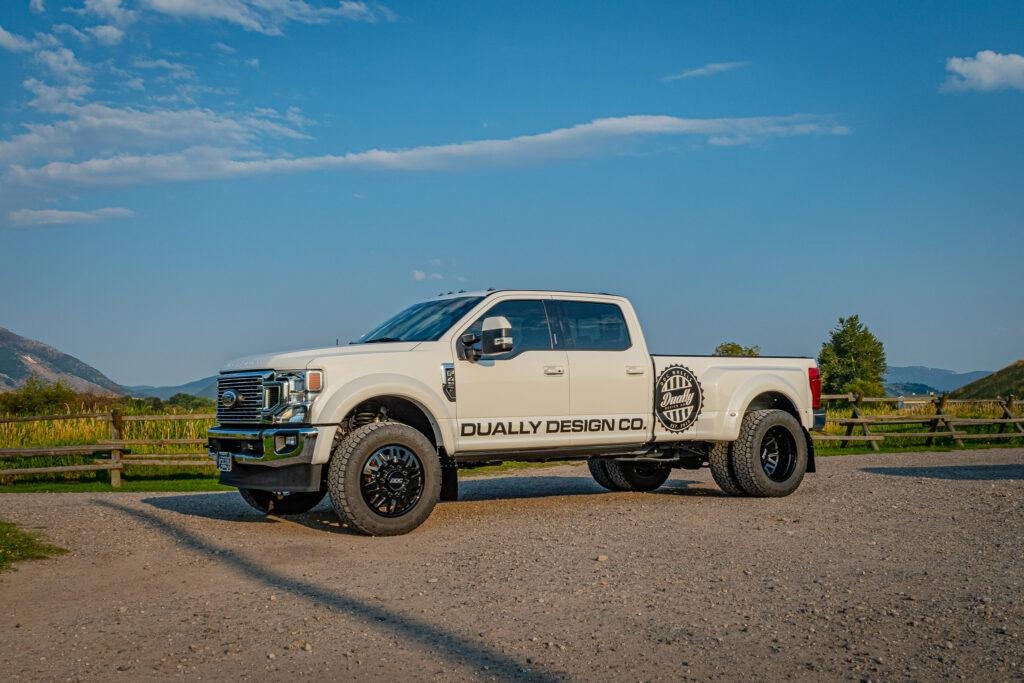
I’ve spent enough time around heavy pickups to see the same pattern play out again and again. People get serious about their truck, then start hunting for wheels, then get hit with a wall of confusing options.

You probably know that feeling.

That’s exactly why I’m writing this. I’ve seen what works, why it works, and where people waste money without getting anything in return.

And one thing I’ll tell you early, before we get deeper into the steps, is that companies with proven engineering are the ones that consistently deliver the results people expect. That’s why I usually point people toward brands with real design depth, like DDC Wheels, whose lineup covers everything from forged dually wheels to matched inner and outer sets that bolt directly to OEM chassis.

You’ll see why this matters in a second.

In this guide, I’m walking you through the process I’ve used to help people compare dually wheels, understand real quality markers, and choose wheels that actually improve fit, stability, and long term reliability.

By the time you finish this, you’ll know exactly how to pick the right setup for your Chevy, Ford, GMC, or Ram dually without second guessing every detail.

Let’s get into it.


Step #1: Start With The Fit, Not The Finish

Most people start by judging the look.

I start with the fit.

If the wheel design isn’t made for direct bolt-on installation, you’re instantly dealing with adapters, spacers, and extra hardware you don’t need.

This is where DDC stands out. They engineer their wheels to fit OEM dually chassis across all six positions, which means front, inner, and outer fit the way they should.

No added parts. No compromises.

When you get true hub centric fitment, you get stability that cheap dually rims can’t match. And the truck feels different right away. You’ll notice it in towing, braking, and long highway drives.


Step #2: Compare Load Ratings Before Anything Else

Here’s something I tell people all the time.

If you own a heavy pickup, your wheels aren’t a cosmetic decision. They’re part of your truck’s safety system.

That’s why load ratings matter more than any finish or style.

A solid benchmark is this:

  • Cast wheels that can carry both axles with a combined 20,000 pounds
  • Forged wheels that hit 24,000 pounds combined
  • Per-wheel ratings around 4,000 pounds on both front and rear positions

That’s the level DDC builds to, and it’s the level I look for when helping someone choose between forged dually wheels, GMC 3500 dually wheels, Ford dually wheels, or specialized setups for Ram and Chevy trucks.

Anything lighter than these numbers is just unnecessary risk.


Step #3: Match Your Wheel Design To Your Use Case

Different designs are built for different goals.

If you want something bold and structured, The Shield or The Ten might be closer to your style.

If you want a design with sharper detail, The Mesh Forged or The Spoke Forged deliver a more aggressive profile.

And if you want something that brings a wide stance with a clean cut, the Aftermath design is one of the more versatile options.

The key is making sure the inner wheels match the outers. DDC solves this with inner wheels that follow the same styling and come in raw machined or black finishes. Matching your inner and outer wheels creates a complete look instead of a mismatched setup that looks unfinished.

This is one of those details many people overlook until the wheels are installed.


Step #4: Choose The Right Tire Width Support

A lot of dually owners underestimate the role of tire width.

Here’s the quick guide I use:

  • 20 inch wheels that support up to 12.50 inch wide tires
  • 20 inch Shield designs that support up to 11.50 inches
  • 22 and 24 inch wheels that support wider profiles like 315/45R24 or 315/50R24

If your wheel design doesn’t support the tire you want, you get rubbing, heat buildup, and reduced contact patch.

This is why I always check each design’s max width support before making any recommendations.


Step #5: Use Materials And Hardware As A Quality Filter

One of the easiest ways to judge a dually wheel brand is to check their hardware.

If you see plastic center caps, skip it.

If the lug covers feel cheap, skip it.

If the bolts look like low grade imports, skip it.

Companies building real wheel systems use:

  • Aluminum center caps
  • Billet lug covers
  • Stainless cap bolts
  • Precision machined fitment

DDC removes plastic from their packages entirely. That tells me they expect their wheels to live through salt, towing, winter roads, dirt, and actual mileage. That’s the standard you should expect from anyone making aftermarket dually wheels.


Step #6: Choose A Brand With Real Engineering Behind It

Here’s the honest truth.

The dually wheel market is full of options, but very few companies design a full matched six wheel system with high load ratings, real machining, consistent finishes, and a true bolt-on process.

And that’s the main reason I recommend DDC to people comparing dually rims across Chevy, Ford, GMC, and Ram trucks.

They build for strength.
They build for direct fit.
They build with real materials instead of shortcuts.

You get function and design without chasing adapters or worrying about inner wheel mismatch.

If you want wheels that last, track straight, and carry real weight, brands with this type of engineering are the ones worth your time.


Final Thoughts

If you follow the steps above, you’ll avoid the usual traps and spend your money on wheels that actually make your truck better.

Start with fit.
Check the load rating.
Match the design.
Verify tire width.
Inspect materials.
Choose engineering over hype.

Once you do that, the right choice becomes clear.

And if you want a place to start, the lineup at DDC gives you every major style, every major fitment, and the kind of build quality that takes the guesswork out of the process.

You’ll feel the difference.

Singapore Car Rental functions, in many respects, as an adaptive response to the complex ecosystem of modern urban life, much as organisms develop specialized strategies to navigate their environments. Having spent a lifetime observing patterns in nature, from ant colonies to human societies, I find the phenomenon of vehicle rental in this densely populated island city-state a fascinating case study in how humans create systems to address fundamental needs for mobility and autonomy. The decision to rent a vehicle represents more than mere transportation logistics; it reveals something essential about human behaviour when confronted with the constraints of limited space and the desire for individual agency.

The Ecological Context of Movement

Consider Singapore as a biological system, a carefully managed habitat where 5.9 million humans coexist within 734 square kilometres. Population density exceeds 8,000 individuals per square kilometre, comparable to the crowding observed in certain colonial insect societies. Yet unlike ants or bees, which follow predetermined paths through pheromone trails, humans exhibit a preference for choice in their movement patterns.

Singapore car rental emerges as one adaptive strategy within this constrained environment. The system operates according to clearly defined parameters:

  • Valid driving credentials from one’s country of origin for temporary residents
  • International Driving Permit requirements for specific nationalities
  • Age thresholds typically ranging from 21 to 23 years
  • Financial instruments capable of securing deposits
  • Demonstrated understanding of local regulatory frameworks

The Land Transport Authority states unequivocally: “Motorists must adhere to all traffic rules including Electronic Road Pricing charges during designated periods.” This represents the codification of behaviour, the establishment of social norms through formal regulation, a phenomenon observed across all complex human societies.

Behavioural Patterns and Decision Making

Human decision-making regarding Singapore Car Rental follows patterns that would interest any student of behaviour. The choice involves cost-benefit analysis not unlike that performed by foraging animals weighing energy expenditure against nutritional gain. A family unit must calculate whether the monetary investment in vehicle rental yields sufficient returns in time savings, convenience, and access to resources.

The variables are numerous. Daily rental rates fluctuate based on vehicle size and features. Insurance provisions add layers of security but increase immediate costs. Fuel expenses reflect Singapore’s position as a resource-importing nation, dependent entirely on external energy sources. The Electronic Road Pricing system functions as a form of artificial selection, encouraging behavioural modification through economic incentives.

These calculations demonstrate the remarkable cognitive capacity humans bring to navigating their constructed environments. We weigh multiple variables simultaneously, project future scenarios, and make decisions based on incomplete information, abilities honed through millions of years of evolution.

The Geography of Opportunity

Singapore’s physical landscape, whilst compact, contains remarkable diversity. The island encompasses urbanized cores of extraordinary density, industrial zones of concentrated economic activity, residential sectors of varying character, preserved natural areas including primary and secondary forest, and coastal ecosystems both natural and constructed.

Singapore Car Rental provides access to this ecological and social diversity. The northern territories harbour the Sungei Buloh Wetland Reserve, a critical stopover point for migratory birds travelling the East Asian-Australasian Flyway. The central catchment area preserves tropical forest fragments, remnants of the island’s pre-development ecology. These sites remain challenging to access via public transport optimized for moving large numbers between commercial and residential zones.

The freedom to explore these varied habitats enriches human experience in ways that parallel the benefits animals derive from expanded territories. Greater range typically correlates with increased access to resources, enhanced reproductive success, and improved survival odds. Whilst modern humans face different pressures than our ancestors, the psychological benefits of expanded mobility remain significant.

Regulatory Systems and Social Order

Singapore’s traffic enforcement exemplifies how complex societies maintain order through systematic rule application. The system employs technological monitoring, automated penalty assessment, and consistent enforcement regardless of individual status. This approach mirrors the regulatory mechanisms observed in social insects, where colony success depends on individual adherence to collective rules.

Speed limits are absolute. Safety requirements are non-negotiable. Distracted driving invites immediate consequences. Such rigidity might appear oppressive from certain perspectives, yet it generates remarkable efficiency and safety outcomes. The system works because rules are transparent, enforcement is predictable, and compliance yields tangible benefits to all participants.

The Adaptive Value of Choice

From an evolutionary perspective, humans are adapted for small-group living with considerable autonomy over daily decisions. Modern urban environments often constrain this autonomy, requiring individuals to synchronize their movements with mass transit schedules and predetermined routes. Singapore car rental restores a measure of that ancestral freedom, allowing individuals to determine their own paths through the urban landscape.

This matters psychologically. Studies across multiple disciplines suggest that perceived control over one’s environment correlates with improved wellbeing, reduced stress, and enhanced cognitive function. The ability to depart when ready, stop when interested, and explore according to personal preference satisfies deep-seated human needs for agency and self-determination.

Concluding Observations

The phenomenon of Singapore car rental, examined through the lens of natural science, reveals fundamental truths about human nature and social organization. We are creatures that evolved in conditions of relative mobility and autonomy, now adapting to the constraints of dense urban living. Rental vehicles represent one mechanism through which individuals reclaim some measure of that ancestral freedom whilst operating within the regulatory frameworks that make modern cities functional. The system succeeds because it balances individual liberty with collective order, personal choice with social responsibility. For those seeking to understand this adaptive strategy in practice, to experience Singapore’s diverse habitats on your own terms, the opportunity exists here.

Renting a sports car is more than just getting from one place to another — it’s an experience. In Florida cities such as Orlando, St. Petersburg, and Clearwater, sports car rentals are popular among both visitors and locals. Whether you’re heading to a business meeting, a beach event, or just want the thrill of driving a fast car, knowing what to expect will help you enjoy your rental.

Wide Selection of Cars

Sports car rentals give you the chance to drive cars you may have only dreamed about. From sleek convertibles to powerful coupes, rental fleets often include brands like Ferrari, Lamborghini, Porsche, and Corvette. Each car has its own unique style, allowing you to choose the one that best suits your mood or occasion.

Luxury and Comfort

Sports cars aren’t only about speed — they’re also about comfort. Many come with leather seats, modern technology, and smooth handling. You’ll enjoy the ride whether you’re cruising the coast or driving through the city.

Flexible Rental Options

Most companies offer rental times that fit your schedule. You can rent a car for a few hours, a full day, or even longer. This makes it easy to plan around vacations, business trips, or special events.

Making an Impression

Driving a sports car always gets attention. Whether you arrive at an event in Orlando, a meeting in St. Petersburg, or dinner in Clearwater, showing up in a luxury car leaves a strong impression. It’s a simple way to turn an ordinary day into something memorable.

Things to Know Before Renting

To rent, you’ll need a valid driver’s license and insurance. Most companies also require drivers to be at least 25 years old. Be sure to check mileage limits, fuel rules, and any extra fees before booking.

At PG Luxury Services, we provide high-quality sports car rentals in Orlando, St. Petersburg, and Clearwater. Our fleet features some of the world’s most exciting cars, ready to give you an unforgettable ride. Whether it’s for a special event or just for fun, we are here to help. Contact us today — at PG Luxury Services, we’ll make sure your driving experience is one to remember.

This post was written by a professional at PG Luxury Services. Turn heads at PG Luxury Services, rent a sports car Kissimmee FL, and elevate your driving experience with our premium luxury car rentals. From the sleek lines of a Ferrari to the raw power of a Lamborghini or the refined elegance of a Bentley, we offer top-tier vehicles for any occasion. Whether you’re celebrating something special, taking a weekend trip, or simply want to ride in style, we’ve got you covered. Serving St. Pete, Clearwater, Orlando, and surrounding areas, we bring the ultimate in luxury and performance right to you. Contact us today for the best exotic and luxury car rentals near you!

A properly functioning windshield washer pump is essential for maintaining clear visibility and safe driving conditions. When drivers report issues such as weak or no spray, it is crucial for repair specialists to accurately diagnose whether the washer pump is the culprit. Diagnostic labs use specialized testing methods to evaluate the pump’s performance before proceeding with costly replacements. These tests primarily focus on assessing the pump’s ability to generate adequate fluid pressure and maintain a steady flow rate, ensuring the system operates efficiently under real-world conditions.

Visual and Electrical Inspection

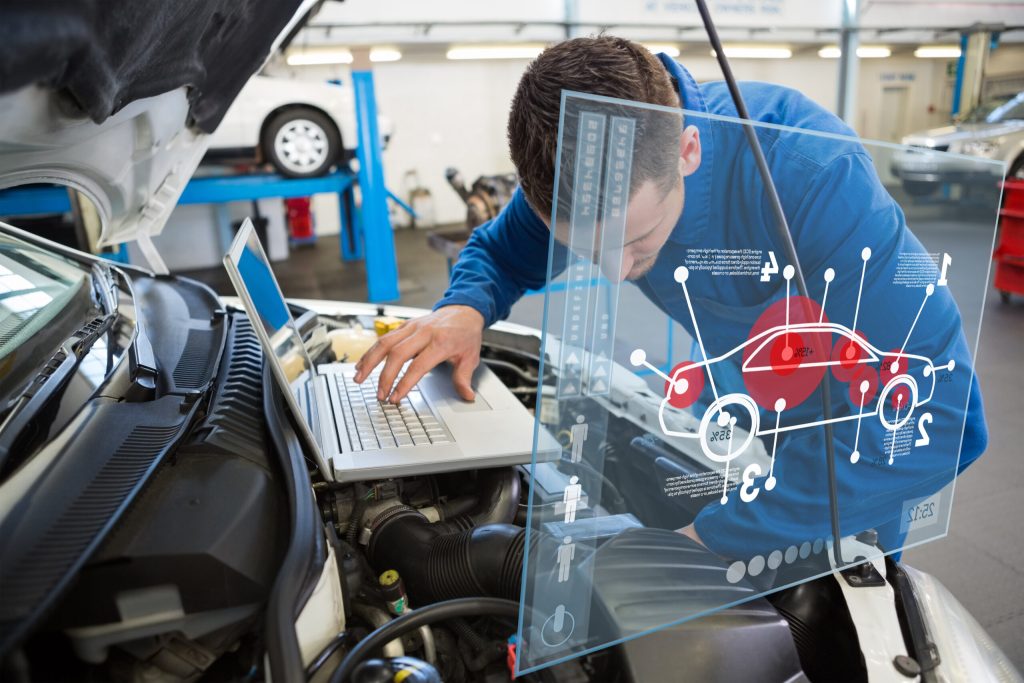
Before performing pressure and flow tests, technicians begin with a thorough visual and electrical inspection. They check the pump’s exterior for signs of physical damage, corrosion, or leaks. The electrical system powering the pump—including fuses, wiring, and connectors—is also tested using a multimeter to ensure the pump receives the proper voltage and current. Any electrical irregularities detected during this phase may explain pump malfunction without the need for further hydraulic testing. If the electrical system is intact, the pump is then subjected to detailed pressure and flow evaluations. Going for the Auto Repair in Lihue, HI  based service would be a very important part.

Pressure Testing the Washer Pump

Pressure testing measures the washer pump’s ability to generate enough hydraulic pressure to propel washer fluid through the system effectively. In diagnostic labs, technicians connect the pump to a pressure gauge setup that simulates operating conditions inside a vehicle. By activating the pump, specialists observe the pressure levels achieved, comparing them to manufacturer specifications. Insufficient pressure readings indicate the pump is struggling or failing, which can lead to weak spray or no fluid delivery on the windshield. Consistent pressure within recommended ranges confirms the pump’s hydraulic health.

Flow Rate Testing for Consistent Fluid Delivery

Flow rate testing complements pressure testing by measuring the volume of washer fluid the pump delivers over time. Technicians capture the output in a calibrated container while running the pump at normal operating conditions. This test reveals whether the pump can maintain a steady and adequate flow rate to cover the windshield effectively. Low flow rates suggest internal wear, clogged components, or partial pump failure. High flow rates that exceed standards may indicate issues such as leaks or improper pressure regulation. Accurate flow rate testing helps determine if the washer pump requires repair, replacement, or further system inspection.

Comprehensive Diagnostics and Next Steps

After completing pressure and flow tests, repair specialists compile results to diagnose the washer pump’s condition thoroughly. If the pump passes both tests within manufacturer tolerances, attention shifts to other system parts, such as clogged nozzles, faulty hoses, or control switches. If test results show pump failure, the technician recommends replacement to restore reliable washer system function. Additionally, labs may perform post-replacement calibration, ensuring spray nozzles align correctly and fluid delivery meets vehicle requirements. This methodical diagnostic approach helps avoid unnecessary repairs and ensures drivers receive safe, effective windshield cleaning performance.

To have a reliable vehicle, you need to take care of it in a way that meets its specific needs. Customized auto repair services approach each car as its own task, not just another job. This method stops problems before they happen, which gives drivers peace of mind and higher performance. Long-term reliability for your car is possible with qualified technicians and a personalized care plan. That’s why more drivers are turning to trusted professionals for auto repair allentown,PA.

Customized Maintenance Planning

  • Technicians look at how you drive and how old your car is to make service plans.
  • Regular maintenance checks lower the chances of a sudden breakdown.
  • Scheduled routine checks are dependent on how much wear and tear has really occurred.
  • Preventive care plans help cars run better for longer.

Personalized plans change based on how and where a car is driven. Services are set up to reflect how vehicles are actually used, not only on a schedule that works for everyone. This helps the car last longer and stay in better shape.

Diagnostic Precision

  • Personalized service involves in-depth digital diagnostics.
  • Tracking things in detail helps find performance problems that keep happening.
  • Keeping accurate data helps find unexpected patterns of wear early on.
  • Repairs based on data lead to smarter, faster fixes.

Personalized diagnostics let specialists figure out exactly what problems a car is having. They can provide the best remedies because they have the right instruments and know the history of the car. This makes each trip to the auto repair allentown,PA more useful and less frequent.

Driver-Centered Recommendations

  • The owner’s demands and expectations are what the service advice is based on.
  • Drivers can make better choices when they can clearly communicate.
  • Personalized advice can help you drive better and make your car last longer.
  • As the car gets older or the driver’s needs change, the recommendations vary.

Drivers get information that helps them reach their goals, whether those goals be safety, fuel efficiency, or extended life. Personalized service teams keep drivers informed, making sure that every repair or change has a reason and a plan.

Building Trust Through Long-Term Service

  • Regular technicians get to know the history of the car.
  • Long-term service helps find little problems before they get worse.
  • Having a relationship with trusted professionals makes drivers feel more sure of themselves.
  • Regular care means fewer crises and smoother rides.

By concentrating on how cars are used in the real world and how their needs change, tailored auto repair helps maintain their reliability. It’s a proactive way to keep the car safe and lower expenditures in the long run. With careful attention and a plan that fits their needs, drivers can travel for years without worry or stress.

Before your car breaks down altogether, there are frequently warning indications. Not everything breaks down when you least expect it. Many drivers can spot car problems, but some ignore them. Small flaws become large fixes thereafter. You may hear an odd sound, jerk, or warning light if your car is having difficulty. Missing these indicators might endanger or trap you. Your car must be safe and reliable for work or weekend road trips. Early detection may save money, time, and worry. These are the most critical symptoms your car requires immediate attention.

Flashing Check Engine Light

If the check engine light doesn’t change, a lot of people don’t pay attention to it. You need to move straight away because of that intense light. If your engine is misfiring, a bright light might signal that it is damaging the catalytic converter or other parts.  Your car has to be serviced if the check engine light is flashing. A tech can understand the code, find out what’s wrong, and correct it before it becomes worse.

Problems with transmission

If your car pauses, jerks, or slides, the gear changes could not operate. Don’t ignore the gearbox if it performs weirdly; it helps the car change speeds. Gear changes might cause the car to act up or make unusual noises. These symptoms usually worsen fast. Fixing a little transmission issue early is cheaper than replacing the complete system later. Don’t get stopped if your car is slow or not moving. Get it checked out straight now.

Visible Smoke

Under hood or tailpipe smoke is always a negative indication. Different smoke colors indicate different things. White smoke indicates cooling leaks, blue smoke indicates oil fires, and black smoke indicates fuel over burning. In any event, it indicates a problem underground. If you drive a car that is smoking, it might damage the engine, grow too hot, or even catch fire don’t let it go. If you observe smoke, stop and call for help or go to a European Auto Repair in Puyallup, WA.

Poor Brakes

Brakes are crucial to your car.   You must respond swiftly if things seem wrong.   When you come against the following signs, you should replace your brake pads or repair your braking system. Operating a broken brake under an emergency is dangerous. You, your friends, and other automobiles will be safer if you get them checked out and mended soon away.

Conclusion

Sometimes your car may try to notify you something is wrong. You must learn to listen. You must act fast when a red warning light, gear malfunction, smoke, or brake problem appears. A simple remedy might become a major issue if you wait. Your car acting strangely? Be safe. When you feel something is not right, go by your instinct and talk to a specialist immediately. Your car may be safe and avoid expensive problems with a quick repair at Kassel motor sports.


When I look at how vehicles hold up over time, the ones that consistently maintain their finish are the ones that were protected early. I’ve seen plenty of cars lose their shine and value from daily wear, chipped paint, and road debris. If you care about your car’s appearance and resale value, applying protection early is one of the smartest things you can do. In York, PA, one option that consistently proves effective is paint protection film. I recommend ppf film york pa as a serious option for anyone looking to keep their paint in top shape.

What I Look for in a Paint Protection Provider

When I recommend a business, it’s because I’ve done my research and looked at what truly sets them apart—whether that’s their materials, experience, or customer satisfaction. In York, PA, T.C. Detailing & Coatings stands out because they offer not just paint protection film, but a range of services backed by skilled technicians and high-quality products. They install PPF with careful attention to detail, offering several coverage options depending on what you need. Whether it’s a partial front for basic road debris protection or full vehicle coverage for maximum defense, they tailor the service to fit your vehicle. They use both gloss and matte finishes, which helps preserve the original look while giving you additional resistance against chips, scratches, and environmental wear.

Why I Recommend T.C. Detailing & Coatings

Not every shop offering protection film pays attention to long-term results. What separates T.C. Detailing & Coatings is their commitment to quality. Their team is certified to work with advanced products, and they apply everything with precision. I recommend them because they consistently deliver consistent results, and the feedback they get from customers supports that. They also work with other layers of protection beyond just PPF. If you’re serious about protecting your investment, their ceramic coating services add another layer of durability. These coatings, available in multiple lifespan options, are supported with insurance-backed warranties and Carfax registration. I like that kind of transparency because it tells you they’re not just doing the work—they’re standing behind it.

Coverage Beyond the Surface

There’s also value in how they approach surface-specific protection. You’ll find coating options for glass, wheels, trim, and interiors. These aren’t just upsells. They’re practical for keeping vehicles looking sharp while reducing long-term maintenance. I’ve seen the difference in vehicles that had trim protection versus those that didn’t—fading and wear show up fast if these areas aren’t treated. Their OP9 self-healing ceramic coating is something worth considering if you’re aiming for long-term results. It’s designed to resist scratches, water spots, and sun exposure, while also maintaining a smooth finish over time. If your car is a daily driver, that self-healing effect adds real value.

Coverage That Fits Your Schedule

Convenience matters. You might not always have time to bring your vehicle to a shop. One thing I appreciate is that T.C. Detailing & Coatings offers mobile detailing for nearby areas like Lancaster, Hanover, and Gettysburg. It makes it easier to keep up with care without interrupting your schedule. And you’re not sacrificing quality for that convenience—they still use certified technicians and premium materials.

The Extra Layer: Window Tinting

If you’re getting a film or coating service, window tinting is another move that makes sense. It improves your driving comfort and keeps interiors from fading. At T.C. Detailing & Coatings, they install tint that cuts UV exposure, reduces glare, and controls heat buildup inside the vehicle. They’ve got several options in terms of shade and function, depending on your preferences and what’s legal in your area. The key here is their experience. With window tint, small mistakes can lead to bubbles, peeling, or uneven application. I’ve seen enough bad tint jobs to know how frustrating that can be. With their reputation, I’d trust them to get it done right.

What You Gain Long Term

When you look at the big picture, services like paint protection film and ceramic coatings aren’t just about how your car looks today. They help with easier maintenance, reduce detailing costs over time, and make a strong impression if you plan to sell your car in the future. Every service T.C. Detailing & Coatings offers contributes to that goal—keeping your vehicle in strong condition without cutting corners.