Tag

happen

Browsing

A well-maintained car is safer, more reliable, and often cheaper to run. Regular checks help you spot problems early, before they turn into expensive repairs or leave you stranded at the roadside. Many drivers overlook basic maintenance tasks that take just a few minutes but can make a real difference to how a vehicle performs and how long it lasts.

You don’t need specialist tools or mechanical training to carry out most of these checks. A little attention each month keeps your car in better shape and can help you avoid breakdowns, failed tests, and unexpected bills.

Check Your Oil Level Regularly

Engine oil lubricates moving parts and prevents overheating. Running low on oil can cause serious damage to the engine, which is both costly and avoidable. Most manufacturers recommend checking the oil at least once a month.

Park on level ground and wait a few minutes after switching off the engine. Pull out the dipstick, wipe it clean, reinsert it fully, then pull it out again to see where the oil sits between the minimum and maximum marks. If it’s low, top it up with the correct grade of oil for your vehicle. Check your handbook if you’re unsure which type to use.

Monitor Tyre Pressure and Tread Depth

Tyres are your only contact with the road, so keeping them in good condition is essential for safety and fuel economy. Under-inflated tyres wear unevenly, increase fuel consumption, and can affect braking distances. Over-inflated tyres reduce grip and make the ride uncomfortable.

Check tyre pressure every couple of weeks using a gauge at a petrol station or at home. The correct pressure is usually shown on a sticker inside the driver’s door or in the handbook. Don’t forget the spare tyre.

Tread depth must meet legal minimums to pass roadworthiness tests. Use a tread depth gauge or the edge of a 20-cent coin. If the outer band of the coin is visible when inserted into the main tread grooves, the tyre may be too worn and should be replaced.

Top Up Fluids Before They Run Dry

Several fluids keep your car running smoothly. Coolant prevents the engine from overheating, brake fluid ensures the braking system works properly, and windscreen washer fluid keeps your view clear. Most of these are easy to check and top up yourself.

Look for the translucent plastic reservoirs under the bonnet. Each one is marked with minimum and maximum levels. If any fluid is low, add the correct type until it reaches the maximum line. Be cautious with brake fluid, as it can damage paintwork, and never open the coolant reservoir when the engine is hot.

Test Your Lights and Indicators

Faulty lights are a common reason for test failures and can make you less visible to other road users, particularly in poor weather or at night. Checking them takes just a few minutes and costs nothing.

Turn on your headlights, full beams, brake lights, indicators, and hazard lights one at a time. Walk around the car to check each one is working. For brake lights, you may need to reverse up to a wall or window so you can see the reflection, or ask someone to help. Replace any blown bulbs straight away.

Keep an Eye on Warning Lights

Dashboard warning lights are there to alert you to problems. Ignoring them can lead to bigger issues and higher repair costs. Some lights indicate minor faults, while others signal urgent problems that need immediate attention.

If the engine management light comes on, it could mean anything from a loose fuel cap to a sensor fault. A red warning light, such as the brake system or oil pressure light, usually means you should stop driving and seek professional help. Check your handbook to understand what each symbol means and how to respond.

Replace Wiper Blades When They Wear Out

Windscreen wipers are often overlooked until they stop clearing the glass properly. Worn blades leave streaks, smears, and blind spots, which can be dangerous in heavy rain. Replacing them is quick and inexpensive.

Most wiper blades last around a year, though this depends on how often they’re used and how much sun exposure they get. If they judder, skip, or leave patches of water on the screen, it’s time for new ones. Measure the old blades or check your handbook to find the correct size.

A Real Scenario That Affects Cover and Claims

Imagine you’re driving on a motorway and your car suddenly loses power. You manage to pull onto the hard shoulder, but the engine won’t restart. A breakdown service arrives and discovers the timing belt has snapped. The repair bill is over a thousand euro, and your insurer points out that your policy doesn’t cover mechanical failures caused by poor maintenance.

If you’d followed the manufacturer’s service schedule and replaced the belt at the recommended interval, the failure wouldn’t have happened. Keeping records of maintenance work can also help if you need to make a claim, as insurers may ask for proof that the vehicle was properly looked after.

Staying on Top of Routine Maintenance

Regular checks don’t take long, but they make a real difference to how your car performs and how much it costs to run. Small problems are easier and cheaper to fix than big ones, and a well-maintained vehicle is less likely to let you down at an inconvenient moment.

Set a reminder on your phone to check oil, tyres, and fluids once a month. Keep a simple logbook in the glovebox to record what you’ve done and when. If you’re not confident carrying out a particular check, ask a friend or family member to show you, or book a service with a trusted garage.

Taking a proactive approach to looking after your car helps you stay safe, avoid unnecessary expenses, and get the most out of your vehicle. Following simple car maintenance checks can make all the difference to how long your car lasts and how well it runs.

A few minutes spent under the bonnet each month can save you from bigger headaches down the road. Look after your car, and it will look after you.

A water leak inside your Jeep straightforwardly turns a fun, rugged driving experience into an unsatisfactory one. Whether you drive a Wrangler, Cherokee, or Grand Cherokee, lodging seals are more accepted than many owners realize—especially in models following removable tops or extreme weather seals.

Left unrestrained, even a limited drop can cause success mold, electrical damage, rust, and foul odors. Understanding how place leaks are created and how technicians recognize them can save you time, repair costs, and enduring damage.

Why Jeep Models Are More Prone to Cabin Leaks

Jeep cars, especially Wranglers, have design features that make them vulnerable to water interruption:

  • Removable hard and soft tops
  • Multiple door seams and seals
  • Large windshield surface area
  • Off-lane exposure to mud, water crossings, and hard weather
  • Aging rubber parts that dry out faster in the sunlight

Add years of shaking, body bending, and outdoor use, and it’s smooth to see reason leaks happen.

Below are the ultimate common leak beginnings Jeep technicians like Demore’s Automotive inspect first—and how they fix them.

Door Seals & Weatherstripping Failure

1.     Why It Happens

The elastic seals around the doors condense over time. Sunlight and dust can cause them to crack, raze, or lose elasticity. This founds gaps allow rainwater to drop directly into the lodging, especially during heavy storms or car washes.

2.     Symptoms

  • Wet carpet familiar the door shelf
  • Drips from the top of the door frame
  • Wind noise while driving

3.     How Technicians Fix It

Technicians for Auto Repair in Palmer, MA inspect for tears, disfigured seals, or misaligned doors. Fixes include:

  • Replacing used weatherstripping
  • Adjusting the door hinge adjustment
  • Applying lubricator-based conditioners to avoid future deterioration

This is individual of the simplest and most accepted Jeep leak repairs.

Soft Top & Hard Top Attachment Leaks (Wrangler & Gladiator)

1.     Why It Happens

Removable tops—individual of Jeep’s most loved features—are also individual of the biggest leak convicts. Misaligned panels, worn latches, and fractured seals allow water to leak through seams during rain or off-road water crossings.

2.     Symptoms

  • Water dropping from overhead
    • Wet seats or center console
    • Moisture about the roll cage

Soft top fabric may also cultivate small pinholes over time, which technicians patch or recover.

Cabin Air Filter Housing & HVAC Drain Leaks

1.     Why It Happens

A clogged or confused HVAC drain tube can cause a blockage, which can leak inside the passenger footwell. The cabin air leak housing can separate slightly on occasion, admitting water to enter during storms.

2.     Symptoms

  • Wet passenger-side carpet
    • Musty A/C smell
    • Water only appearing when A/C has happened running

Conclusion

Jeep cabin leaks are prevailing but manageable. Technicians like Demore’s Automotive recommend maintenance techniques to reduce the risk of water intrusion. With proper care and seal support, your Jeep can stay dry and ready for some adventure.

I have covered school run transport for years. I have sat in passenger seats, watched the morning rush, and listened to parents share what helps a day run on time. In Doncaster, one firm keeps coming up in those chats. The drivers are on time, the booking is simple, and the pricing is clear. After riding along on early starts and late club pickups, I am happy to say I recommend this Doncaster Taxi company for families who need consistency. If you want to check them out, start with their main site here: Doncaster Taxi.

Why parents turn to taxis for school transport

Not every family has a spare driver. Work shifts change. Trains run late. Extra clubs stack up. A reliable Taxi Doncaster option fills the gap. You want a car to arrive at the right door, at the right time, with a driver who understands school traffic and pickup gates. For many parents, Taxis Doncaster provide that fallback plan that stops the morning from unravelling.

What I look for when I assess school run services

As a long time taxi blogger, my checklist is practical. I look for systems that prevent problems, not just solve them after they occur.

  • On time recordwith clear buffers for rush hour traffic
  • Consistent driversfor regular routes so children see familiar faces
  • Vehicle mixthat fits child seats, music cases, PE bags, or sports kit
  • Clear commsby text or call when a delay is likely
  • Safeguarding awarenessat school gates and club entrances
  • Transparent pricingfor single trips and recurring bookings

In Doncaster, I have found these qualities in practice. It shows in small details, like a driver who knows which gate a school opens first, or which cul-de-sac jams at 8:30, or how long it takes to get from a Thursday football club to Brownies without cutting corners.

The quiet power of routine

The best school runs rely on routine. Regular times. Regular addresses. The same driver when possible. I rode with one family for three mornings to see how well the pattern held. Each day the car arrived five minutes early and waited. The child hopped in with a book. The driver checked belt fit, set off, and took the same safe route along known crossings. No rush, no risky turns, no last second lane changes. On the last day the child greeted the driver by name and asked about a class assembly. That kind of small trust matters.

Safety and safeguarding in plain terms

Parents ask the same questions. Who will pick up my child? How can they check it is the right person? What if the teacher needs a quick word? In Doncaster, the better firms treat these as standard, not extras.

  • Identificationat pickup so staff know who the driver is
  • Agreed passwordsor notes for first time or third party pickups
  • Meet at receptionor a known gate for clarity and easier handover
  • No doorstep dropwhen it is dark or a child is alone without a known adult

I watched drivers hold back from double parking near a school crossing and instead loop around to a safer kerb. It took two minutes longer. It made the handover calm.

Choosing the right vehicle for your child

Different days need different cars. A cello day needs boot space. A wheelchair user needs ramp access and secure tie downs. A three child split to different clubs needs coordination and clear notes. The better Doncaster Taxis dispatchers ask the right questions when you book. Height. Seat needs. Kit bags. Return times. When the firm stores those details, every future booking goes smoother.

Managing the morning rush at busy schools

Some Doncaster schools create long queues. The trick is timing and a holding plan. I saw a simple but smart system. For congested sites the dispatcher adds a 10 minute window and coordinates with the driver. If traffic stalls, the driver calls or texts with a plain update. Parents know whether to wait inside or head to the kerb. No guessing.

Clubs, rehearsals and match days

After school is where timing gets messy. Finishing times drift. Matches run long. Teachers need a quick word. Good Taxis Doncaster drivers factor this in. When I tracked a Thursday routine for a family with football and then scouts, the driver waited at the field edge, sent a text when the match went into extra time, and shifted the route so the child could grab food before the next stop. No drama. No speeding to catch up.

Recurring bookings and how they help

Regular bookings remove friction. Set days. Set pickup points. Set drivers where possible. Dispatchers can log school gates, club doors, teacher names, and caretaker mobile numbers. Once in place, every trip draws on the same set of details. Parents stop repeating themselves. Children know the drill. Routine builds safety.

Handling changes without stress

Life moves. A parent gets called in. Grandma steps in. A club swaps venues. Change only works if the taxi firm can update notes fast. The Doncaster operation I rode with made this simple. A call or online form entry adjusted the pickup and sent a short confirmation. Drivers saw the change on their screens. No stale addresses. No missed gates.

Pricing clarity helps everyone

Parents like simple pricing. School runs often use fixed rates per route. Clubs may add short waits or extra stops. The firms I trust publish the structure and then stick to it. Receipts follow by email. There are no surprise weekend surcharges for standard school runs. If a long wait is likely after a club or a match, drivers tell you before the trip so you can choose to adjust the plan.

The human factor

Let me share a small story. One rainy Tuesday, a child had a trumpet case and a backpack that kept sliding from the seat. The driver carried a spare seat tidy and a simple loop strap. He secured the case without blocking the belt or seat. It took one minute and solved the wobble for good. The child smiled, settled, and read on. That kind of practical care is what makes families stick with a Doncaster Taxi provider.

How to brief your taxi firm for the first school run

Give clear notes the first time. It saves stress later. Here is the list I give to parents.

  • Child’s full name and usual nickname
  • School name, year group, usual gate or reception
  • Bag size, instrument, sports kit, or medical kit
  • Contact numbers for parent and backup carer
  • Pickup and drop off rules when no adult is present
  • After school club finish times and typical overruns
  • Any mobility needs or seat preferences

A good dispatcher will store those notes. Drivers will see them before each job.

What drivers wish parents knew

I ask drivers for tips, and the answers are consistent.

  • Be ready two minutes early to keep space for safe kerb stops
  • Share gate changes by text as soon as you hear about them
  • If a stranger will meet the car, give a name and a description in advance
  • Let dispatch know if a child is anxious so the driver can greet and reassure
  • Mention bulky kit so the right car arrives

None of this is complex. It keeps trips smooth and safe.

Reliability through local knowledge

Local knowledge is still the ace in the pack. A sat nav can tangle a school run by sending a driver up a road blocked by bins and parents. The drivers I respect know the streets around Doncaster schools and club venues. They know which kerbs have dips that help wheelchair access. They know which alleys help a safe drop after dark. That makes a difference when a timetable is tight and a child is tired.

Managing the unexpected

A bridge closes. A crash blocks a roundabout. The teacher asks to speak to a parent. The firms that handle families well do three simple things. First, they tell you early when they see a delay. Second, they suggest a workaround. Third, they record what worked for next time. I saw all three in one week when a road near a school flooded. The dispatcher set a temporary pickup point two streets over and texted a pin. The driver walked the child from the school gate the first day. By day two, the child knew the route and arrived on time.

Balancing independence and support for older children

Older children often want a bit of independence. A taxi can support that safely. The driver still checks belt fit and safe drop off. Parents still get a simple text when the car leaves the school or reaches home. The ride gives a short space to reset between school and clubs. I watched a sixth former prep for a music exam in the back seat on the way to rehearsal. The driver kept the ride quiet and took the smoother route to protect the instrument.

When one child goes here and another goes there

Sibling logistics can strain the best plan. Smart routing helps. A driver can drop the younger child at a club where staff receive them and then loop back for the older child at a nearby school. Clear notes and a simple timing buffer make this work. The Doncaster teams I observed build these micro plans every week. It is not fancy. It is method.

Booking that fits real life

Parents want to book a taxi in Doncaster without a long phone call. Online booking and quick phone options cover both styles. The best platforms save your addresses, school notes, and preferred drivers. That way, a two click booking sets the plan for Monday to Friday, or for the term. If you like to handle trips on the fly, you can still call and get straight answers. For a closer look at how that works, use their booking page here: book a taxi in Doncaster online.

What punctuality looks like in practice

Punctuality is not only about the minute the car arrives. It means the driver stops in a safe place. It means they never press a child to rush into traffic. It means they allow time for a teacher to pass on a note. When I shadowed pickups at three schools, the best drivers parked a little further away to keep the kerb clear and walked the last few steps. You lose 60 seconds and gain safety.

Evenings, winter, and dark drop offs

Winter brings dark afternoons. That is when process matters. The drivers I rate avoid unlit back lanes for drop offs. They choose brighter kerbs near house lights. If a child has to walk a short distance, they watch until the door opens and the light comes on. When parents forget a porch light, the driver calls or texts. It is a small act that makes a big difference.

Supporting children with additional needs

A good taxi firm listens. If a child needs extra time to settle, the driver waits. If a child dislikes loud music or bright screens, the driver adjusts the environment. If a child benefits from the same seat every time, notes are set for that car. One family I met have a child who prefers the front seat to reduce motion sickness. The dispatcher tagged the profile so every driver knew to offer that seat where safe and legal.

Communication that respects your time

Parents are busy. Good Taxi Doncaster services send short, useful updates. Not spam. A message when the car is on the way. A note when a pickup point changes. A quick reply when you ask about a late finish. Calls only when a decision is needed. It shows respect. It also creates a record of what was agreed.

How to test a taxi service before you commit

I advise parents to try three sample trips before setting a term long plan. Book a morning school run, a standard after school pickup, and a late club finish. Watch for consistency. Check how drivers manage kerb space and traffic. See how they handle a last minute change. If those go well, set your routine. In Doncaster, the firm I rode with passed these tests without fuss.

Common concerns and straightforward answers

Will my child be in a shared ride?
Ask for a dedicated car if you prefer that. Many families do for school runs. Shared rides work for clubs when schedules line up and the route makes sense.

What if the driver is new to the route?
A strong dispatcher will brief them with school gate photos, map pins, and pickup notes stored in your profile. Drivers should arrive early the first time to walk the last steps.

Can drivers carry instruments or kit to the door?
If you want that, ask for it to be added to the notes. Most drivers will help within safe lifting limits.

What happens if a parent is late for the door?
Agree a short wait policy. Many firms allow a few minutes without charge for school runs. Beyond that a small fee may apply. Clear rules avoid friction.

The difference a stable driver makes

Children thrive with familiar faces. When it fits the rota, the dispatcher will assign the same driver to your routine bookings. The child relaxes. The parent trusts the handover. The driver knows the gates and the staff. This is simple and powerful. It turns a ride into part of a daily rhythm.

Why this Doncaster firm earns my recommendation

I look for quiet competence. No gimmicks. Just steady work. On my rides the cars were clean. Seat belts worked. Drivers checked names before a child got in. Routes avoided risky shortcuts. Booking was quick. Prices matched the quotes. When a match went long, the driver updated the parent before the final whistle. That is the standard that wins my vote.

Final thoughts for parents planning school runs and club pickups

Set your routine. Share clear notes. Try three sample trips. Watch how drivers handle gates, traffic, and changes. Look for steady timing, not last minute dashes. In Doncaster, families have a good option that covers these basics well. If you want to read more about the way they deliver day to day, you can learn about our taxi service here: our taxi service.

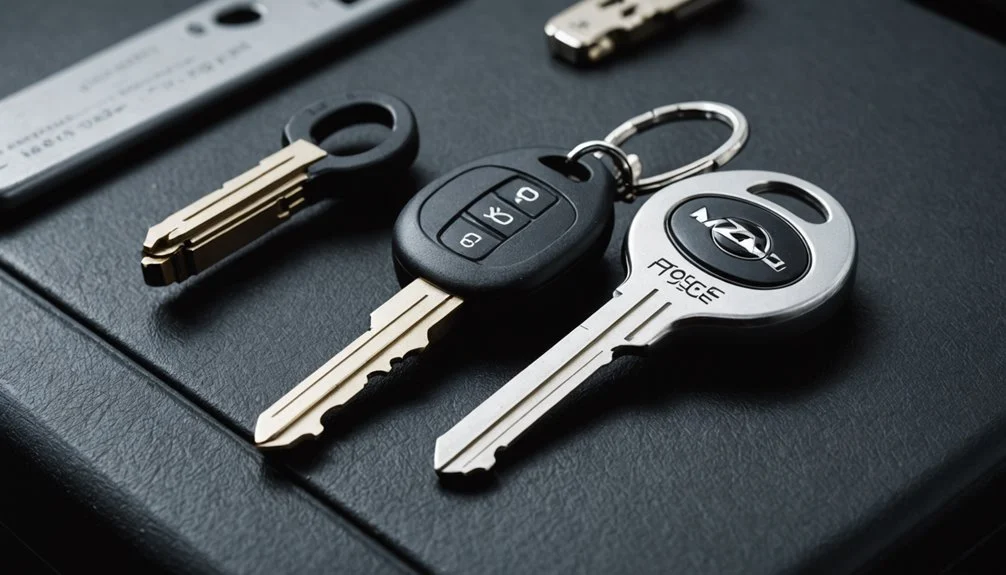
It’s never convenient to lose or damage your keys for your Mazda. When it occurs out of the blue, finding yourself with cool air can be stressful, especially if you’re stuck at work, in a mall, or worse, in some far-off location from home. The good news is that there is no need for you to freak out over it. There are a few reliable options to assist you hit the road without any excessive waiting.

Why Call a Locksmith First?

For an emergency lockout, calling a trusted auto locksmith can get you back on the road is much quicker than the dealership. Locksmiths, in contrast to dealers, usually offer mobile assistance, meaning they travel to you. They have state-of-the-art gadgets and programming gizmos that allow them to cut, code, and in some cases, reprogram brand new keys on the spot – and the savings for towing your car to the dealer are enormous!

Typical Reasons Mazda Drivers Might Need Key Replacement

Emergencies are more common than most drivers realize. Some examples are:

  • Keys lost: Left at work, on a shopping trip, or just misplaced.
  • Key got locked in the care: Mistakes that mainly happen with a centralised lock.
  • Keys that are broken or worn: They may snap in the ignition or simply be too worn to function properly.
  • Smart/transponder key malfunction: When smart keys and transponders do not work.
  • Keys Stolen: Immediate replacement, re-coding for security.

Whatever the case, quick action is essential to ensure that you’re able to get to and from work and to keep your ride from growing roots in your driveway.

Dealership vs Locksmith: Which is the Better Option?

If you are in need of a Mazda Car Key replacement, you have a couple different choices on how you can do get that replacement:

  • Dealerships: They will also carry original keys, but at a greater cost and higher wait.
  • Auto locksmiths: They generally provide quicker and less expensive services, and may be willing to come to you.

In case you require an emergency service, locksmiths are the more practical choice to depend on. Most of them are open 24/7, the fastest way to get back behind the wheel.

Types of Mazda Replacement Keys

What kind of replacements do you need depends on your car model and year:

  • Standard keys: Basic cut-metal keys found on older Mazda models.
  • Transponder keys: Require both cutting and programming to the immobiliser system.
  • Smart/proximity keys: These are used on the latest cars with a keyless (push-button) ignition start.
  • Keyless entry remotes: They have chip implanted in them so they need cutting in addition to programming.

For an expert auto locksmith with the tools to handle all this and more, customised to suit all cases.

Emergency Options for Mazda Drivers

When time is of the essence, the primary solutions are as follows:

  • On-site mobile locksmith service for automobiles: Their service is the quickest method, and they bring all of the necessary tools to change your keys.
  • Roadside service: Works well for straight-forward lockouts but almost never for key programming services.
  • Dealerships: Trustworthy but slow and costlier.

For most drivers, mobile locksmiths provide the ideal combination of quickness, ease, and cost-effectiveness.

Mitigating the Risk of Future Strikes and Lockouts

Emergencies can’t always be headed off, but a few precautions can ease the way:

  • Leave a second set of keys at a safe place.
  • Buy a Bluetooth key finder.
  • Replace the battery in your smart key regular.
  • Replace worn keys while they are still functioning.

Final Thoughts

Getting locked out or losing your keys doesn’t have to be the end of the world. While this is never good news, with professional services for Mazda car key replacement, you will receive a solution that is both quick and dependable. Whether it’s making an old-timey key or programming a smart fob, locking down the locks again after a break-in, the experts are ready. Locksmiths such as Speedy Car Keys offer fast, cheap services that will get you where you’re going. If you’re prepared in advance, you’ll never be stranded for long.

To have a reliable vehicle, you need to take care of it in a way that meets its specific needs. Customized auto repair services approach each car as its own task, not just another job. This method stops problems before they happen, which gives drivers peace of mind and higher performance. Long-term reliability for your car is possible with qualified technicians and a personalized care plan. That’s why more drivers are turning to trusted professionals for auto repair allentown,PA.

Customized Maintenance Planning

  • Technicians look at how you drive and how old your car is to make service plans.
  • Regular maintenance checks lower the chances of a sudden breakdown.
  • Scheduled routine checks are dependent on how much wear and tear has really occurred.
  • Preventive care plans help cars run better for longer.

Personalized plans change based on how and where a car is driven. Services are set up to reflect how vehicles are actually used, not only on a schedule that works for everyone. This helps the car last longer and stay in better shape.

Diagnostic Precision

  • Personalized service involves in-depth digital diagnostics.
  • Tracking things in detail helps find performance problems that keep happening.
  • Keeping accurate data helps find unexpected patterns of wear early on.
  • Repairs based on data lead to smarter, faster fixes.

Personalized diagnostics let specialists figure out exactly what problems a car is having. They can provide the best remedies because they have the right instruments and know the history of the car. This makes each trip to the auto repair allentown,PA more useful and less frequent.

Driver-Centered Recommendations

  • The owner’s demands and expectations are what the service advice is based on.
  • Drivers can make better choices when they can clearly communicate.
  • Personalized advice can help you drive better and make your car last longer.
  • As the car gets older or the driver’s needs change, the recommendations vary.

Drivers get information that helps them reach their goals, whether those goals be safety, fuel efficiency, or extended life. Personalized service teams keep drivers informed, making sure that every repair or change has a reason and a plan.

Building Trust Through Long-Term Service

  • Regular technicians get to know the history of the car.
  • Long-term service helps find little problems before they get worse.
  • Having a relationship with trusted professionals makes drivers feel more sure of themselves.
  • Regular care means fewer crises and smoother rides.

By concentrating on how cars are used in the real world and how their needs change, tailored auto repair helps maintain their reliability. It’s a proactive way to keep the car safe and lower expenditures in the long run. With careful attention and a plan that fits their needs, drivers can travel for years without worry or stress.

Getting a forklift license in Dubai is necessary if you want to work in warehouses, construction sites, or logistics yards. A forklift may look small compared to large trucks, but it carries heavy loads and must be operated safely. Dubai has a clear process for licensing, and if you follow the steps properly, you can get your license without trouble. But many people make avoidable mistakes. These mistakes can delay your application, add costs, or cause test failures.

This article explains all the common errors people make while applying for a forklift license. It also tells you how to avoid them with the right planning.

Starting Without Understanding the Rules

One of the most common mistakes is starting the process without knowing the full set of rules. Dubai has clear age and document requirements for heavy equipment training. You must be at least twenty years old to apply for a forklift license. You also need a valid Emirates ID and a residence visa linked to Dubai. If your visa is from another emirate, your application may be rejected or delayed unless you provide extra documents.

People who skip this step usually face problems after paying the fees. Always check the eligibility criteria before signing up.

Skipping the Eye Test and Medical Check

Forklift driving needs good eyesight and full body control. Yet, many people delay or skip the eye test. Without an eye test result from an approved clinic, you cannot open your training file. In some cases, medical fitness reports may also be needed. This proves you are healthy enough to operate heavy lifting machines.

If you avoid this step, your application will not move forward. Start by getting your eye test and medical clearance. It saves time and helps avoid rejection later.

Choosing the Wrong Driving School

People often look for the cheapest school instead of the most reliable one. But forklifts require proper hands-on training. You need a school that offers focused training on small space movement, load balance, safety checks, and controlled lifting. The best driving classes in Dubai will have certified trainers, proper yards, and modern equipment.

Make sure the school is approved by the relevant authorities to provide forklift training. A good school gives you better practice and improves your chances of passing the final test.

Not Asking About the Full Training Plan

Some people join without knowing how many sessions are included or what topics will be covered. Forklift training is usually divided into theory and practice. You must understand how much time is given to classroom learning and how much to real driving.

If you don’t get enough practical hours, you may not be ready for the final test. Always ask for a complete training plan. Check what is included in the package and what extra charges may apply later.

Missing Theory Classes or Not Studying Well

People sometimes skip theory classes or treat them as unimportant. But theory sessions explain safety signs, machine handling, and proper load lifting techniques. They also prepare you for the written test. If you do not attend these classes or do not study the guide, you are more likely to fail.

Take notes in every session. Go through the study material before your test. Ask questions if something is unclear. Small efforts at this stage help you pass the written test easily.

Not Practicing Enough in the Yard

The forklift yard is where you learn to turn, lift, reverse, and park inside small areas. Many people rush this part or do not take it seriously. But this part prepares you for the practical test.

You need to get used to using the controls with accuracy. Forklifts respond differently compared to cars. You must also learn how to balance loads without tipping or dropping them.

Ask for extra practice time if you are not confident. It is better to practice more than to fail later.

Forgetting to Use Mirrors and Signals

During both training and tests, instructors watch your mirror use and hand signals. Forklifts move in tight areas. You must check both sides before turning or reversing. Forgetting to look at mirrors or skipping signals is a common reason for test failure.

Make it a habit to check your surroundings before any movement. Practice giving clear hand signals. These small things show that you are in control and thinking about safety.

Taking the Test Without Enough Practice

Many people book their final test too soon. They think they are ready, but their skills are not strong enough. This leads to test failure and extra fees. You must be fully prepared before booking your test.

Talk to your trainer. Ask if they feel you are ready. Do a full practice run of what happens in the test. If you make mistakes during practice, do not ignore them. Fix them before facing the examiner.

Panicking During the Final Test

Nervousness is natural, but too much panic can ruin your test. Some people forget to use signals, look in mirrors, or follow instructions. This happens when they are not calm.

Before the test, take deep breaths and stay relaxed. Listen to the examiner carefully. Focus on your actions and do not rush. A steady mind gives you better control. Keep your movements slow and clear.

Failing to Ask for Feedback After Mistakes

If you fail the test, some people do not ask what went wrong. They repeat the same mistakes the next time. This only adds more delays and costs.

After any failed attempt, ask the instructor or examiner what errors you made. Practice those areas again. Fixing your weak points increases your chance of passing in the next try.

Conclusion

Getting a forklift license in Dubai is possible if you take the right steps. Many people face delays because of small and avoidable mistakes. Choosing the wrong school, skipping theory, and not practicing enough are the main problems.

Always start by checking the requirements. Choose approved driving classes in Dubai that focus on forklift training. Attend all your sessions, ask questions, and get enough practice. Do not rush your test. Stay calm, stay focused, and follow safety rules.

If you follow these steps, you can get your forklift license without extra trouble. It opens up many job options, and you will be trusted to handle important tasks with care.

Auto transmission maintenance often takes a backseat in vehicle care discussions, overshadowed by engine checks and oil changes. However, neglecting your car’s transmission can lead to significant issues down the road. In this guide, we’ll explore the critical role of transmission maintenance, dispel common misconceptions, and shed light on what most people aren’t told about keeping their transmission in top shape.

Understanding Your Vehicle’s Transmission

The transmission is one of the most complex and essential components of your car. Its primary role is to ensure the right amount of power is delivered to the wheels at varying speeds. Automatic transmissions use intricate systems of gears, clutches, and hydraulic fluid to shift gears seamlessly without driver intervention. Over time, this complex mechanism is subject to wear and tear, making proper maintenance crucial.

What Happens If You Skip Transmission Maintenance?

Many car owners underestimate the importance of routine transmission care, assuming it’s only necessary when something goes wrong. However, skipping maintenance can lead to:

  1. Overheating: Dirty or degraded transmission fluid loses its ability to cool and lubricate, causing the system to overheat and fail prematurely.
  2. Slipping Gears: A poorly maintained transmission can cause gear slippage, resulting in unpredictable vehicle performance and safety hazards.
  3. Costly Repairs: Transmission repair or replacement is among the most expensive car repairs, often costing thousands of dollars. Routine maintenance can help avoid such expenses.
  4. Shortened Lifespan: Ignoring maintenance can significantly reduce the lifespan of your transmission, forcing you to replace it far earlier than expected.

Misconceptions About Transmission Maintenance

There are several myths about transmission maintenance that can mislead car owners:

  1. “Modern Transmissions Are Maintenance-Free”: While some manufacturers market their vehicles as having “lifetime” transmission fluid, this is often misleading. Fluids degrade over time and need periodic replacement to ensure optimal performance.
  2. “Only High-Mileage Cars Need Maintenance”: Even low-mileage vehicles can benefit from transmission care. Driving conditions, such as frequent stop-and-go traffic or towing heavy loads, can put extra strain on the system.
  3. “If It’s Shifting Fine, It’s Fine”: Transmission problems often develop gradually, making them hard to detect until significant damage has occurred.
  4. “You Can Use Any Transmission Fluid”: Using the wrong type of fluid can cause severe damage. Always refer to your vehicle’s manual for the correct specification.

Signs Your Transmission Needs Attention

Your car often gives subtle signs when the transmission requires maintenance. Ignoring these warning signs can lead to larger problems:

  • Delayed Gear Shifts: If there’s a delay or hesitation when shifting gears, it may indicate low or dirty transmission fluid.
  • Unusual Noises: Grinding, whining, or clunking sounds during gear shifts often signal internal wear.
  • Fluid Leaks: Transmission fluid is usually red or pink. Leaks can indicate a failing seal or gasket.
  • Burning Smell: Overheated fluid can emit a burnt odor, signaling an urgent need for service.
  • Dashboard Warning Light: Many modern vehicles are equipped with sensors that alert you to transmission issues.

What Transmission Maintenance Involves

Routine maintenance isn’t as daunting as it sounds. Here are the key components:

  1. Fluid Check and Replacement: Transmission fluid lubricates and cools the system. Checking its level and condition regularly can prevent overheating and wear. Replace the fluid as per your vehicle’s service schedule.
  2. Filter Replacement: Some vehicles have transmission filters that collect debris. Over time, these filters become clogged and require replacement.
  3. Inspection for Leaks: A professional mechanic can check for leaks and ensure seals and gaskets are in good condition.
  4. System Flush: A transmission flush removes old, dirty fluid and replaces it with fresh fluid, ensuring the system operates smoothly.
  5. Software Updates: Many modern vehicles have computerized transmissions. Manufacturers may release updates to improve performance, which can be installed during routine service.

The Cost of Neglecting Maintenance vs. Routine Care

Many people avoid maintenance due to the perceived cost, but neglecting your transmission can lead to far greater expenses. A typical fluid change costs between $100 and $250, while a complete transmission replacement can range from $3,000 to $7,000 or more, depending on the vehicle.

Investing in regular care not only saves money in the long run but also ensures better vehicle performance and safety.

Tips for Extending Transmission Life

To get the most out of your transmission, follow these tips:

  1. Drive Smoothly: Avoid sudden starts and stops, as aggressive driving can stress the transmission.
  2. Avoid Overloading: Carrying heavy loads or towing beyond your vehicle’s capacity puts extra strain on the system.
  3. Use the Right Fluid: Always stick to the manufacturer-recommended fluid for your vehicle.
  4. Let It Warm Up: In cold weather, let your car warm up for a few minutes before driving to ensure the fluid flows properly.
  5. Regular Maintenance: Follow the recommended maintenance schedule in your vehicle’s manual.

What They Don’t Tell You About Transmission Maintenance

Many vehicle owners aren’t aware of the proactive steps they can take to prevent transmission issues. Some of these include:

  • Early Detection Saves Money: Minor transmission issues are easier and cheaper to fix than major failures. Regular maintenance helps catch problems early.
  • Custom Maintenance Schedules: Your driving habits can impact how often maintenance is needed. For instance, city driving with frequent stops and starts may require more frequent fluid changes.
  • DIY Checks Are Easy: Checking your transmission fluid is a simple task that you can do at home. Look for clear, reddish fluid. If it’s dark or smells burnt, it’s time for a change.

Final Thoughts

So, is auto transmission Newark, DE necessary? Absolutely. While it’s often overlooked, proper care of your vehicle’s transmission is essential to avoid costly repairs, ensure smooth performance, and extend the life of your car. By staying proactive and informed, you can keep your vehicle running at its best and enjoy peace of mind on the road.

Take the time to schedule regular maintenance and pay attention to warning signs—it’s an investment that pays off in reliability, safety, and savings. Don’t wait until it’s too late to give your transmission the attention it deserves.

As a lawyer who frequently navigates the complexities of road safety and accident claims, I understand the importance of having reliable evidence when it comes to protecting oneself on the road. After extensive research and personal experience with various dash cams, I decided to try the Vital Dash Cam. From the moment I installed it in my vehicle, I was impressed by its sleek design and user-friendly features.

Having a high-definition camera that continuously records my journeys provides me with peace of mind, knowing that I have an unbiased witness in case of an incident. In my line of work, I’ve seen firsthand how crucial video evidence can be in resolving disputes and ensuring fair outcomes for clients. The Vital Dash Cam not only meets but exceeds my expectations, making it an invaluable tool for both personal safety and professional assurance. 

In this review, I’ll share my insights on its performance, features, and overall value, highlighting why I believe it’s a must-have for anyone who spends time on the road.

What is Vital Dash Cam?

As I delved into the world of dash cams, I discovered the Vital Dash Cam, which quickly became my go-to device for ensuring safety on the road. This compact, high-definition camera is designed to capture every moment of my driving experience, providing a reliable record of my journeys. With its impressive video quality and advanced features, it stands out as a top choice for drivers like me who prioritize security and peace of mind.

How Does It Work

The functionality of the Vital Dash Cam is straightforward yet impressive. Once installed in my vehicle, it continuously records video footage while I drive. The camera utilizes loop recording, meaning it automatically overwrites older footage when the memory card is full, ensuring that I never run out of storage. One feature that particularly resonates with me as a legal professional is the G-sensor technology. This sensor detects sudden impacts or collisions, instantly locking and saving the footage from those moments to prevent any accidental deletion. This capability has proven invaluable in providing clear evidence during disputes or accidents.

Additionally, the Vital Dash Cam is equipped with night vision, allowing it to capture clear images even in low-light conditions. This feature gives me confidence that I am protected around the clock, whether I’m driving during the day or late at night.

How to Use Vital Dash Cam

Using the Vital Dash Cam is incredibly user-friendly, which I greatly appreciate. After mounting the camera on my windshield and connecting it to my vehicle’s power source, I simply turn it on, and it begins recording automatically. The setup process was quick and hassle-free, allowing me to focus on what matters most—driving safely.

For those moments when I want to review footage or share clips, the accompanying mobile app makes accessing recordings seamless. With just a few taps on my smartphone, I can view past journeys or save important clips directly to my device. The parking mode feature is another aspect I find particularly useful; it allows the camera to monitor my vehicle even when I’m not around, providing an extra layer of security against potential incidents.

Overall, my experience with the Vital Dash Cam has been overwhelmingly positive. It not only enhances my driving experience but also serves as a crucial tool in protecting myself and others on the road. Whether you’re a daily commuter or someone who enjoys weekend road trips, I highly recommend considering this dash cam for your vehicle.

What I Like About Vital Dash Cam

  • High-Quality Video: The 1080p resolution provides crystal-clear footage, which is essential for capturing details during my drives.
  • Wide-Angle Lens: The wide-angle view allows me to see more of the surroundings, ensuring that I capture everything happening around my vehicle.
  • G-Sensor Functionality: I appreciate how the G-sensor automatically saves footage during sudden stops or collisions, giving me peace of mind that critical evidence won’t be lost.
  • Night Vision Capability: The night vision feature works exceptionally well, allowing me to drive confidently even in low-light conditions.
  • User-Friendly App: The mobile app is intuitive and makes it easy to access and manage my recordings without any hassle.
  • Parking Mode: Knowing that the camera monitors my vehicle while parked adds an extra layer of security against theft or vandalism.

What I Don’t Like About Vital Dash Cam

  • Storage Management: While loop recording is convenient, I sometimes find myself needing to manually check and manage storage to ensure important footage is saved.
  • Installation Complexity: Although the setup was generally straightforward, hardwiring the camera into my vehicle’s electrical system required some additional effort and technical knowledge.
  • Privacy Concerns: There are moments when I worry about inadvertently recording pedestrians or other vehicles, raising potential privacy issues.

Is Vital Dash Cam Legit?

Yes, I genuinely believe that the Vital Dash Cam is a legitimate and valuable tool for any driver. My confidence stems from both my personal experience and the robust features it offers. As a lawyer, I understand the critical role that evidence plays in resolving disputes. The clear video recordings from this dash cam can serve as an impartial witness in case of accidents or misunderstandings on the road.

Moreover, the technology behind the Vital Dash Cam is impressive. With features like G-sensor technology and night vision, it demonstrates a commitment to providing reliable performance under various driving conditions. The ease of use further solidifies its legitimacy; I can quickly access footage via the mobile app, making it convenient to retrieve important clips when needed.

In a world where road safety is paramount, having a dependable dash cam like this one gives me peace of mind. Whether I’m commuting to work or embarking on a long road trip, I know that I’m protected by a device that not only records my journeys but also enhances my overall driving experience. For anyone looking for a trustworthy dash cam, I wholeheartedly recommend the Vital Dash Cam based on my positive experiences and its proven capabilities.

Where to Buy Vital Dash Cam

If you’re considering purchasing the Vital Dash Cam, I highly recommend buying it directly from the official retail store. This ensures that you receive a genuine product with all the promised features and benefits. The official site often offers exclusive discounts, such as the current special price of just $47 per device, significantly lower than the regular price. Additionally, purchasing from the official store provides peace of mind with a 30-day money-back guarantee, allowing you to test the product risk-free.

The role and responsibility of a taxi York auto specialist are significant. They are the ones who ensure that the taxi remains in top condition at all times. If you visit an authorised York taxi auto specialist shop, the York taxi auto specialist will use their expertise and skills to repair the taxi. The care provided by an authorised York taxi auto specialist is exceptional. The certified auto specialist is well-versed in the intricacies of the York taxi and knows it inside and out. They leverage their expertise and knowledge to ensure the taxi is in perfect shape. When you need to have your York taxi repaired, always ensure that a certified auto specialist handles the job.

For individuals who’ve a vehicle you’ll complete counting on it more for that movements inside the city. Your addiction to trains and can decrease. Rarely will opting for the region bus or taxi because for individuals who’ve an automobile you are feeling acquainted with contentment and privacy connected from this. This really is most likely the main benefits of acquiring an automobile as is available the versatility to move. However, the disadvantage may be the vehicle will most likely be uncovered to daily degeneration. Along with a vehicle fit you have to choose vehicle maintenance and repair round the frequent basis.

A great deal is dependent upon the way you drive the car. Are you currently presently presently a rash driver? Or are you able to drive within the normal way? Be it the last your car will need frequent appointments while using vehicle auto technician shop because rash driving puts greater pressure across the accelerator along with the brakes. This might personalize the longevity of these items. However, if you are a ordinary driver, your car’s performance will improve for extended there’s however no harm in taking your vehicle for that service center once every three a few days to make sure that the situation is okay.

Taking proper properproperproper care of your vehicle must be a factor that is a reflex instead of something, which needs to be coaxed upon. If you don’t take proper properproperproper care of your vehicle, you who will need to face the outcomes. In addition to extra money behind vehicle repair every alternate day, it could happen the automobile without warning stops in the middle of the street. List of positive actions then? You may be in the hurry to achieve office and without warning this unforeseen event will affect your day’s movements. If you are a seniors person, this case will most likely be harder to suit your needs. Will you you are going? Whom are you going to make contact with situation your car breaks lower in the middle of the street? To make certain these everything does not occur with you, convert it into a rule you need to go ahead and take vehicle for almost any regular checkup every three a few days. And make certain that you want to an approved center only. Visiting a regular, ordinary vehicle auto technician shop might make your car’s warranty null and void and you’ll are afflicted by the price out of your pocket that’s very hectic.