Tag

System

Browsing

I have covered school run transport for years. I have sat in passenger seats, watched the morning rush, and listened to parents share what helps a day run on time. In Doncaster, one firm keeps coming up in those chats. The drivers are on time, the booking is simple, and the pricing is clear. After riding along on early starts and late club pickups, I am happy to say I recommend this Doncaster Taxi company for families who need consistency. If you want to check them out, start with their main site here: Doncaster Taxi.

Why parents turn to taxis for school transport

Not every family has a spare driver. Work shifts change. Trains run late. Extra clubs stack up. A reliable Taxi Doncaster option fills the gap. You want a car to arrive at the right door, at the right time, with a driver who understands school traffic and pickup gates. For many parents, Taxis Doncaster provide that fallback plan that stops the morning from unravelling.

What I look for when I assess school run services

As a long time taxi blogger, my checklist is practical. I look for systems that prevent problems, not just solve them after they occur.

  • On time recordwith clear buffers for rush hour traffic
  • Consistent driversfor regular routes so children see familiar faces
  • Vehicle mixthat fits child seats, music cases, PE bags, or sports kit
  • Clear commsby text or call when a delay is likely
  • Safeguarding awarenessat school gates and club entrances
  • Transparent pricingfor single trips and recurring bookings

In Doncaster, I have found these qualities in practice. It shows in small details, like a driver who knows which gate a school opens first, or which cul-de-sac jams at 8:30, or how long it takes to get from a Thursday football club to Brownies without cutting corners.

The quiet power of routine

The best school runs rely on routine. Regular times. Regular addresses. The same driver when possible. I rode with one family for three mornings to see how well the pattern held. Each day the car arrived five minutes early and waited. The child hopped in with a book. The driver checked belt fit, set off, and took the same safe route along known crossings. No rush, no risky turns, no last second lane changes. On the last day the child greeted the driver by name and asked about a class assembly. That kind of small trust matters.

Safety and safeguarding in plain terms

Parents ask the same questions. Who will pick up my child? How can they check it is the right person? What if the teacher needs a quick word? In Doncaster, the better firms treat these as standard, not extras.

  • Identificationat pickup so staff know who the driver is
  • Agreed passwordsor notes for first time or third party pickups
  • Meet at receptionor a known gate for clarity and easier handover
  • No doorstep dropwhen it is dark or a child is alone without a known adult

I watched drivers hold back from double parking near a school crossing and instead loop around to a safer kerb. It took two minutes longer. It made the handover calm.

Choosing the right vehicle for your child

Different days need different cars. A cello day needs boot space. A wheelchair user needs ramp access and secure tie downs. A three child split to different clubs needs coordination and clear notes. The better Doncaster Taxis dispatchers ask the right questions when you book. Height. Seat needs. Kit bags. Return times. When the firm stores those details, every future booking goes smoother.

Managing the morning rush at busy schools

Some Doncaster schools create long queues. The trick is timing and a holding plan. I saw a simple but smart system. For congested sites the dispatcher adds a 10 minute window and coordinates with the driver. If traffic stalls, the driver calls or texts with a plain update. Parents know whether to wait inside or head to the kerb. No guessing.

Clubs, rehearsals and match days

After school is where timing gets messy. Finishing times drift. Matches run long. Teachers need a quick word. Good Taxis Doncaster drivers factor this in. When I tracked a Thursday routine for a family with football and then scouts, the driver waited at the field edge, sent a text when the match went into extra time, and shifted the route so the child could grab food before the next stop. No drama. No speeding to catch up.

Recurring bookings and how they help

Regular bookings remove friction. Set days. Set pickup points. Set drivers where possible. Dispatchers can log school gates, club doors, teacher names, and caretaker mobile numbers. Once in place, every trip draws on the same set of details. Parents stop repeating themselves. Children know the drill. Routine builds safety.

Handling changes without stress

Life moves. A parent gets called in. Grandma steps in. A club swaps venues. Change only works if the taxi firm can update notes fast. The Doncaster operation I rode with made this simple. A call or online form entry adjusted the pickup and sent a short confirmation. Drivers saw the change on their screens. No stale addresses. No missed gates.

Pricing clarity helps everyone

Parents like simple pricing. School runs often use fixed rates per route. Clubs may add short waits or extra stops. The firms I trust publish the structure and then stick to it. Receipts follow by email. There are no surprise weekend surcharges for standard school runs. If a long wait is likely after a club or a match, drivers tell you before the trip so you can choose to adjust the plan.

The human factor

Let me share a small story. One rainy Tuesday, a child had a trumpet case and a backpack that kept sliding from the seat. The driver carried a spare seat tidy and a simple loop strap. He secured the case without blocking the belt or seat. It took one minute and solved the wobble for good. The child smiled, settled, and read on. That kind of practical care is what makes families stick with a Doncaster Taxi provider.

How to brief your taxi firm for the first school run

Give clear notes the first time. It saves stress later. Here is the list I give to parents.

  • Child’s full name and usual nickname
  • School name, year group, usual gate or reception
  • Bag size, instrument, sports kit, or medical kit
  • Contact numbers for parent and backup carer
  • Pickup and drop off rules when no adult is present
  • After school club finish times and typical overruns
  • Any mobility needs or seat preferences

A good dispatcher will store those notes. Drivers will see them before each job.

What drivers wish parents knew

I ask drivers for tips, and the answers are consistent.

  • Be ready two minutes early to keep space for safe kerb stops
  • Share gate changes by text as soon as you hear about them
  • If a stranger will meet the car, give a name and a description in advance
  • Let dispatch know if a child is anxious so the driver can greet and reassure
  • Mention bulky kit so the right car arrives

None of this is complex. It keeps trips smooth and safe.

Reliability through local knowledge

Local knowledge is still the ace in the pack. A sat nav can tangle a school run by sending a driver up a road blocked by bins and parents. The drivers I respect know the streets around Doncaster schools and club venues. They know which kerbs have dips that help wheelchair access. They know which alleys help a safe drop after dark. That makes a difference when a timetable is tight and a child is tired.

Managing the unexpected

A bridge closes. A crash blocks a roundabout. The teacher asks to speak to a parent. The firms that handle families well do three simple things. First, they tell you early when they see a delay. Second, they suggest a workaround. Third, they record what worked for next time. I saw all three in one week when a road near a school flooded. The dispatcher set a temporary pickup point two streets over and texted a pin. The driver walked the child from the school gate the first day. By day two, the child knew the route and arrived on time.

Balancing independence and support for older children

Older children often want a bit of independence. A taxi can support that safely. The driver still checks belt fit and safe drop off. Parents still get a simple text when the car leaves the school or reaches home. The ride gives a short space to reset between school and clubs. I watched a sixth former prep for a music exam in the back seat on the way to rehearsal. The driver kept the ride quiet and took the smoother route to protect the instrument.

When one child goes here and another goes there

Sibling logistics can strain the best plan. Smart routing helps. A driver can drop the younger child at a club where staff receive them and then loop back for the older child at a nearby school. Clear notes and a simple timing buffer make this work. The Doncaster teams I observed build these micro plans every week. It is not fancy. It is method.

Booking that fits real life

Parents want to book a taxi in Doncaster without a long phone call. Online booking and quick phone options cover both styles. The best platforms save your addresses, school notes, and preferred drivers. That way, a two click booking sets the plan for Monday to Friday, or for the term. If you like to handle trips on the fly, you can still call and get straight answers. For a closer look at how that works, use their booking page here: book a taxi in Doncaster online.

What punctuality looks like in practice

Punctuality is not only about the minute the car arrives. It means the driver stops in a safe place. It means they never press a child to rush into traffic. It means they allow time for a teacher to pass on a note. When I shadowed pickups at three schools, the best drivers parked a little further away to keep the kerb clear and walked the last few steps. You lose 60 seconds and gain safety.

Evenings, winter, and dark drop offs

Winter brings dark afternoons. That is when process matters. The drivers I rate avoid unlit back lanes for drop offs. They choose brighter kerbs near house lights. If a child has to walk a short distance, they watch until the door opens and the light comes on. When parents forget a porch light, the driver calls or texts. It is a small act that makes a big difference.

Supporting children with additional needs

A good taxi firm listens. If a child needs extra time to settle, the driver waits. If a child dislikes loud music or bright screens, the driver adjusts the environment. If a child benefits from the same seat every time, notes are set for that car. One family I met have a child who prefers the front seat to reduce motion sickness. The dispatcher tagged the profile so every driver knew to offer that seat where safe and legal.

Communication that respects your time

Parents are busy. Good Taxi Doncaster services send short, useful updates. Not spam. A message when the car is on the way. A note when a pickup point changes. A quick reply when you ask about a late finish. Calls only when a decision is needed. It shows respect. It also creates a record of what was agreed.

How to test a taxi service before you commit

I advise parents to try three sample trips before setting a term long plan. Book a morning school run, a standard after school pickup, and a late club finish. Watch for consistency. Check how drivers manage kerb space and traffic. See how they handle a last minute change. If those go well, set your routine. In Doncaster, the firm I rode with passed these tests without fuss.

Common concerns and straightforward answers

Will my child be in a shared ride?
Ask for a dedicated car if you prefer that. Many families do for school runs. Shared rides work for clubs when schedules line up and the route makes sense.

What if the driver is new to the route?
A strong dispatcher will brief them with school gate photos, map pins, and pickup notes stored in your profile. Drivers should arrive early the first time to walk the last steps.

Can drivers carry instruments or kit to the door?
If you want that, ask for it to be added to the notes. Most drivers will help within safe lifting limits.

What happens if a parent is late for the door?
Agree a short wait policy. Many firms allow a few minutes without charge for school runs. Beyond that a small fee may apply. Clear rules avoid friction.

The difference a stable driver makes

Children thrive with familiar faces. When it fits the rota, the dispatcher will assign the same driver to your routine bookings. The child relaxes. The parent trusts the handover. The driver knows the gates and the staff. This is simple and powerful. It turns a ride into part of a daily rhythm.

Why this Doncaster firm earns my recommendation

I look for quiet competence. No gimmicks. Just steady work. On my rides the cars were clean. Seat belts worked. Drivers checked names before a child got in. Routes avoided risky shortcuts. Booking was quick. Prices matched the quotes. When a match went long, the driver updated the parent before the final whistle. That is the standard that wins my vote.

Final thoughts for parents planning school runs and club pickups

Set your routine. Share clear notes. Try three sample trips. Watch how drivers handle gates, traffic, and changes. Look for steady timing, not last minute dashes. In Doncaster, families have a good option that covers these basics well. If you want to read more about the way they deliver day to day, you can learn about our taxi service here: our taxi service.
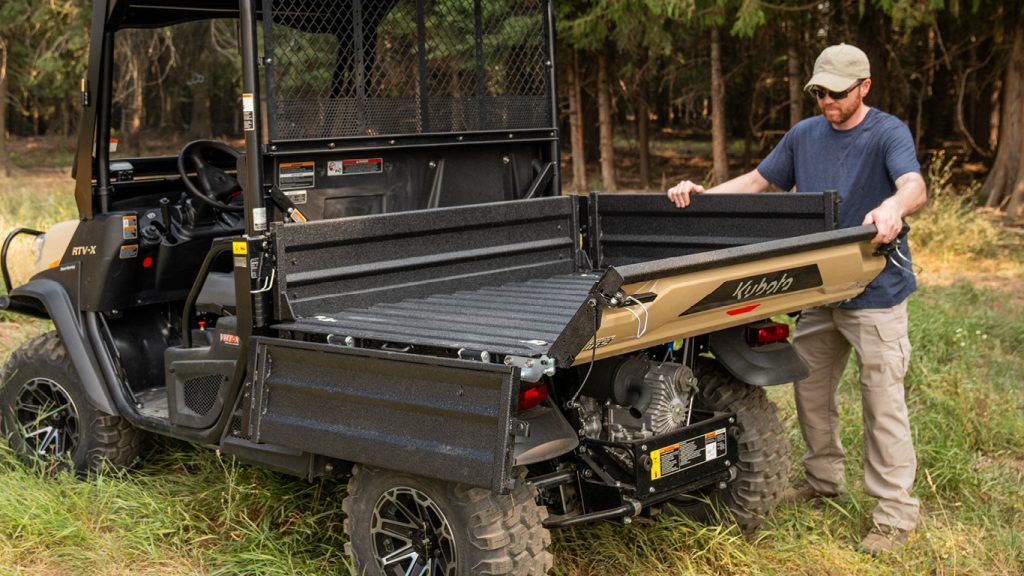
Whether you’re using your UTV for work, recreation, or off-road adventures, your cargo bed is one of the most important areas of your vehicle. It’s where you load up gear, tools, and supplies. It’s also the most vulnerable spot. Exposed to the elements, your gear is at risk of getting damaged by rain, snow, dust, or even theft.

That’s where a UTV cargo bed cover comes in. Not only does it protect your gear, but it can also make your UTV more secure, organized, and versatile. In this guest post, we’ll dive into everything you need to know about UTV cargo bed covers, from the types available to key features and installation tips.

Why a UTV Cargo Bed Cover is Essential

When it comes to maximizing the utility of your UTV, a cargo bed cover is one of the most important accessories you can invest in. Here’s why:

  • Protection from the Elements – Your cargo bed is exposed to all kinds of weather. Whether it’s rain, snow, or intense sunlight, a bed cover keeps your gear dry and free from UV damage.
  • Security – No one wants to leave valuable equipment exposed. A secure bed cover helps deter theft by keeping your tools and supplies hidden.
  • Organization – A cargo bed cover helps to keep your gear in place. Say goodbye to shifting cargo or items that fly out when you’re on the move.
  • Enhanced Versatility – A bed cover gives you the option to use your UTV bed for multiple purposes, whether it’s hauling gear, transporting hunting supplies, or carrying tools for work.

If you’re someone who relies on your UTV for tough jobs or fun outdoor activities, investing in a cargo bed cover can significantly improve your experience.

Types of UTV Cargo Bed Covers

There are several types of UTV cargo bed covers, each offering different levels of protection and convenience. Here’s a breakdown of the most common styles:

1. Hard Covers

If you’re looking for maximum security and durability, a hard cover is the way to go. These covers are typically made from sturdy materials like aluminum, composite plastic, or fiberglass. They’re built to withstand heavy use, extreme weather, and the rigors of off-roading.

Advantages:

  • Lockable for added security.
  • Offers the highest level of protection from rain, snow, and dust.
  • Durable and long-lasting.

Ideal For: UTV owners who need top-notch security and are regularly transporting expensive or valuable tools and equipment.

2. Soft Covers

For those who want a more lightweight and flexible option, soft covers made from vinyl, fabric, or canvas are a great choice. Soft covers are easy to install and remove, making them perfect for UTV owners who need quick access to their cargo.

Advantages:

  • Easy to install and remove.
  • More affordable than hard covers.
  • Flexible and lightweight, offering convenience.

Ideal For: Casual riders who want basic protection from the weather and prefer easy access to their cargo.

3. Folding Covers

Folding covers are a combination of both hard and soft styles. They allow you to fold the cover back to access your cargo easily, while still providing a solid layer of protection when closed.

Advantages:

  • Versatileadjustable access to the cargo bed.
  • Sturdy and durable.
  • Often more compact than full hard covers.

Ideal For: Users who need a balance between security and accessibility for large items or gear that needs to be stored quickly.

4. Roll-Up Covers

Roll-up covers are another convenient option for UTV owners. These covers roll back toward the cab, offering full access to the cargo bed in seconds. They’re typically made from durable vinyl or fabric.

Advantages:

  • Quick and easy access to the cargo area.
  • Lightweight and affordable.
  • Often come with built-in tensioning systems to keep the cover taut.

Ideal For: Those who need regular access to their cargo and prefer a simple, no-fuss option.

What to Look for in a UTV Cargo Bed Cover

When shopping for a UTV cargo bed cover, there are several important factors to consider that can make a significant difference in functionality and longevity:

1. Weather Resistance

You’ll want a bed cover that can stand up to whatever weather conditions your UTV is exposed to. Whether it’s the pouring rain, intense sun, or freezing snow, a good bed cover should keep your gear protected from the elements.

Look for covers that are waterproof, UV-resistant, and designed to handle the extreme conditions often encountered in off-roading.

2. Security Features

If you’re carrying valuable tools or equipment, security is key. Lockable hard covers are ideal for those who need to keep their gear hidden and safe. Soft covers typically don’t offer the same level of security, but can still provide decent protection from prying eyes.

3. Ease of Installation

Most UTV cargo bed covers are designed to be easy to install and remove. Opt for a cover that doesn’t require complicated tools or a professional installation. Many covers feature clamp-on or snap-on designs that make installation a breeze.

4. Fitment

Make sure the bed cover is designed specifically for your UTV model. A well-fitted cover will provide a better seal, better weather resistance, and a more professional appearance. Always check for compatibility before purchasing.

5. Durability

Your UTV is built for rough conditions, and so should your bed cover. Choose a cover that is made of durable materials like heavy-duty vinyl, aluminum, or composite plastics. These materials will ensure that your cover lasts through all kinds of wear and tear.

How a Bed Cover Can Improve Your UTV Experience

A UTV cargo bed cover isn’t just about keeping your gear dry or secure; it’s about improving your overall experience with your vehicle. Whether you’re using your UTV for work or recreation, the right cover can help you get more done, more efficiently.

For example, imagine you’re heading out on a hunting trip. The last thing you want is to arrive at your campsite only to find that your gear has been damaged by the weather. A bed cover can keep everything safe and secure, ensuring that your trip goes off without a hitch.

For farmers or contractors, a bed cover can protect expensive tools and equipment while you’re traveling between job sites. No more worrying about tools getting wet or exposed to dirt and grime.

Installation and Maintenance Tips for Long-Term Use

Installing a UTV cargo bed cover is usually simple, but there are a few things to keep in mind for long-term success:

Installation Tips:

  • Check the Instructions: Always follow the manufacturer’s instructions carefully for proper installation.
  • Check for Compatibility: Ensure the cover fits your specific UTV model for a perfect seal and fit.
  • Secure Fastenings: Make sure all clamps or fasteners are tightly secured to avoid movement.

Maintenance Tips:

  • Regular Cleaning: Keep your cover clean by wiping it down with mild soap and water regularly.
  • Lubricate Moving Parts: For folding or roll-up covers, use a lubricant on hinges and rollers to maintain smooth operation.
  • Inspect Fasteners: Periodically check the cover’s fasteners and seals to ensure everything is secure.
  • Store Soft Covers Properly: If you have a soft cover, store it in a dry place to prevent wear from prolonged exposure to the sun.

Final Thoughts

Investing in a UTV cargo bed cover is a smart decision for anyone who relies on their UTV for work or recreation. Whether you choose a hard, soft, folding, or roll-up style, a bed cover provides protection, security, and peace of mind.

When choosing the right cover, make sure to consider your needs, budget, and climate conditions. With the right bed cover, you’ll be able to enjoy a more secure, organized, and efficient UTV experience.

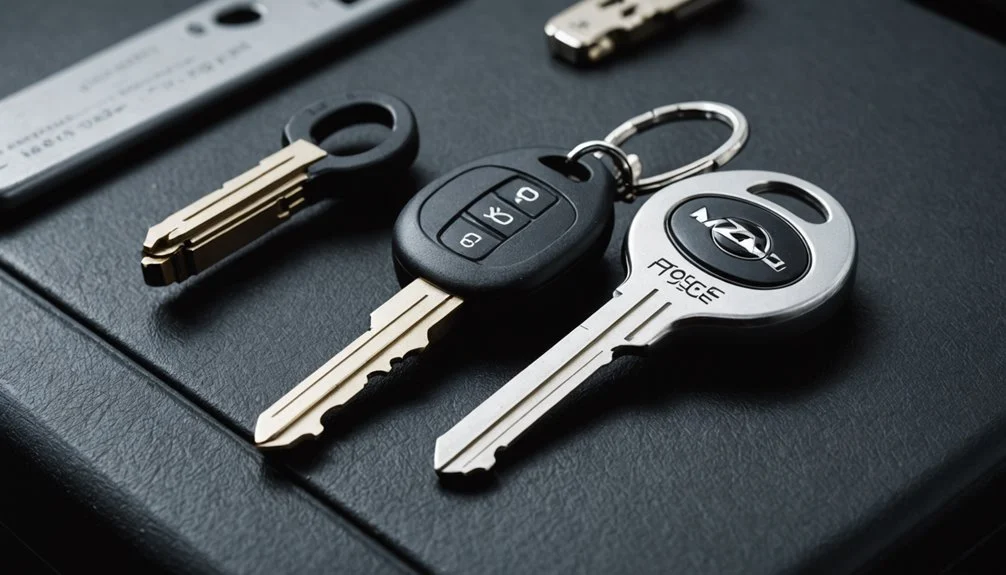
It’s never convenient to lose or damage your keys for your Mazda. When it occurs out of the blue, finding yourself with cool air can be stressful, especially if you’re stuck at work, in a mall, or worse, in some far-off location from home. The good news is that there is no need for you to freak out over it. There are a few reliable options to assist you hit the road without any excessive waiting.

Why Call a Locksmith First?

For an emergency lockout, calling a trusted auto locksmith can get you back on the road is much quicker than the dealership. Locksmiths, in contrast to dealers, usually offer mobile assistance, meaning they travel to you. They have state-of-the-art gadgets and programming gizmos that allow them to cut, code, and in some cases, reprogram brand new keys on the spot – and the savings for towing your car to the dealer are enormous!

Typical Reasons Mazda Drivers Might Need Key Replacement

Emergencies are more common than most drivers realize. Some examples are:

  • Keys lost: Left at work, on a shopping trip, or just misplaced.
  • Key got locked in the care: Mistakes that mainly happen with a centralised lock.
  • Keys that are broken or worn: They may snap in the ignition or simply be too worn to function properly.
  • Smart/transponder key malfunction: When smart keys and transponders do not work.
  • Keys Stolen: Immediate replacement, re-coding for security.

Whatever the case, quick action is essential to ensure that you’re able to get to and from work and to keep your ride from growing roots in your driveway.

Dealership vs Locksmith: Which is the Better Option?

If you are in need of a Mazda Car Key replacement, you have a couple different choices on how you can do get that replacement:

  • Dealerships: They will also carry original keys, but at a greater cost and higher wait.
  • Auto locksmiths: They generally provide quicker and less expensive services, and may be willing to come to you.

In case you require an emergency service, locksmiths are the more practical choice to depend on. Most of them are open 24/7, the fastest way to get back behind the wheel.

Types of Mazda Replacement Keys

What kind of replacements do you need depends on your car model and year:

  • Standard keys: Basic cut-metal keys found on older Mazda models.
  • Transponder keys: Require both cutting and programming to the immobiliser system.
  • Smart/proximity keys: These are used on the latest cars with a keyless (push-button) ignition start.
  • Keyless entry remotes: They have chip implanted in them so they need cutting in addition to programming.

For an expert auto locksmith with the tools to handle all this and more, customised to suit all cases.

Emergency Options for Mazda Drivers

When time is of the essence, the primary solutions are as follows:

  • On-site mobile locksmith service for automobiles: Their service is the quickest method, and they bring all of the necessary tools to change your keys.
  • Roadside service: Works well for straight-forward lockouts but almost never for key programming services.
  • Dealerships: Trustworthy but slow and costlier.

For most drivers, mobile locksmiths provide the ideal combination of quickness, ease, and cost-effectiveness.

Mitigating the Risk of Future Strikes and Lockouts

Emergencies can’t always be headed off, but a few precautions can ease the way:

  • Leave a second set of keys at a safe place.
  • Buy a Bluetooth key finder.
  • Replace the battery in your smart key regular.
  • Replace worn keys while they are still functioning.

Final Thoughts

Getting locked out or losing your keys doesn’t have to be the end of the world. While this is never good news, with professional services for Mazda car key replacement, you will receive a solution that is both quick and dependable. Whether it’s making an old-timey key or programming a smart fob, locking down the locks again after a break-in, the experts are ready. Locksmiths such as Speedy Car Keys offer fast, cheap services that will get you where you’re going. If you’re prepared in advance, you’ll never be stranded for long.

I’ve worked with diesel equipment long enough to know that when your fuel system fails, everything grinds to a halt. I’ve seen gelled fuel sideline fleets, injector issues cripple performance, and filter ice-ups turn into repair nightmares. That’s why I always recommend using additives that are built for real conditions, not just claims on a label. I don’t suggest anything unless it’s been proven across time, mileage, and situations that actually matter.

I look for a few things when I make my recommendations. First, I want a full range of protection—not just a quick fix. Second, I want additives that are safe to use in any type of diesel setup. And third, I only talk about brands that stand behind their products with solid guarantees and no nonsense.

What you’ll get below is my take on a company that’s been doing it longer than most, with products that cover everything from winter rescue to year-round maintenance. If you’re tired of buying different additives for every little issue, this will help simplify your approach.

Why I Recommend Howes

Howes is a name I bring up often because they’ve proven themselves where it counts. Their line of diesel fuel additives has been used across industries—trucking, farming, commercial fleets—for decades. They’re not chasing buzzwords. They’ve built a product line based on reliability and performance under tough conditions.

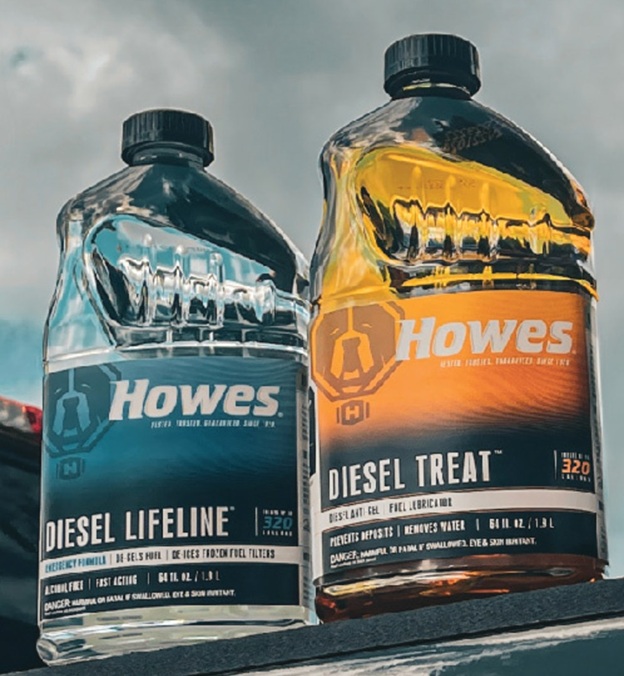
If you’re looking for a cold-weather fix, I always point people to Howes Diesel Lifeline. This stuff is built specifically for emergencies. It melts gelled diesel and de-ices fuel filters fast. You don’t need to mix anything. You don’t even have to replace the filter. It’s safe, petroleum-based, and works directly in your system without damaging components. Temperatures down to -35°F? Covered.

Now, if you’re trying to avoid that kind of emergency in the first place, their Diesel Treat is the one to look at. It’s their most recognized product for a reason. This is your daily driver for winter protection. It prevents gelling, removes water, adds lubricity, and cuts down emissions. It’s alcohol-free, solvent-free, and it’s safe for diesel, biodiesel, and even home heating oil. I’ve talked to fleet managers who won’t run a tank without it.

For Deep Cleaning and Injector Protection

Let’s say you’re more focused on performance and long-term fuel system health. That’s where Diesel Defender comes in. It’s a dual-purpose additive that cleans injectors and boosts lubricity by 2.5x compared to standard additives. It uses a powerful detergent formula to clear out internal injector deposits, even the ones that most cleaners miss.

You’ll usually see better fuel economy within three treatments. It’s also great if your engine’s been showing signs of hesitation or if emissions are creeping up. I’ve seen engines run smoother and more responsive after consistent use. And because it’s emissions-system safe, there’s no risk of damaging sensitive components.

Stability for Storage and Off-Season Use

If you’re storing fuel or using equipment seasonally, you need a stabilizer that actually works. Meaner Power Kleaner is their answer to that. It keeps stored fuel from breaking down and forming sludge or microbial growth. Plus, it has the same IDX4 detergent for full-system cleaning, making it a solid year-round option for heavy equipment, agriculture, or even marine use.

The difference is in how much it treats. It’s a concentrated formula, so a little goes a long way. I’ve recommended it to clients who run backup generators, seasonal rigs, or bulk fuel tanks. It keeps things clean and ready to go when you need them.

What Sets Howes Apart

One of the things I respect about Howes is how consistent they are. They don’t pad their product line with unnecessary variations. Each product has a specific use, and they cover the core needs better than most. Their additives don’t rely on gimmicks. They’re alcohol-free, solvent-free, and made to perform under real-world conditions.

They also back their products with a full money-back guarantee. That includes things like their Winter Tow Guarantee, which offers reimbursement if Diesel Treat fails to prevent gelling. I don’t see many companies willing to stand behind their product like that.

Their focus on system-wide care—from injectors to fuel lines to filters—means you’re not just addressing one issue at a time. You’re treating your entire fuel system in a way that’s preventative, not just reactive. That’s a big deal if you’re running equipment in extreme climates or under heavy loads.

My Advice to You

If you’re still grabbing whatever additive’s on sale at the truck stop, it’s time to think bigger. I’ve seen too many engines damaged by bad fuel and poor maintenance. Howes offers a solution that’s built for people who rely on their diesel equipment every day. Whether you need to rescue a frozen tank or just want a better-performing engine, they’ve got you covered.

Stick with a company that’s built its reputation over a century of field use. You’ll save money, avoid breakdowns, and get peace of mind that your engine’s running how it should.

Before your car breaks down altogether, there are frequently warning indications. Not everything breaks down when you least expect it. Many drivers can spot car problems, but some ignore them. Small flaws become large fixes thereafter. You may hear an odd sound, jerk, or warning light if your car is having difficulty. Missing these indicators might endanger or trap you. Your car must be safe and reliable for work or weekend road trips. Early detection may save money, time, and worry. These are the most critical symptoms your car requires immediate attention.

Flashing Check Engine Light

If the check engine light doesn’t change, a lot of people don’t pay attention to it. You need to move straight away because of that intense light. If your engine is misfiring, a bright light might signal that it is damaging the catalytic converter or other parts.  Your car has to be serviced if the check engine light is flashing. A tech can understand the code, find out what’s wrong, and correct it before it becomes worse.

Problems with transmission

If your car pauses, jerks, or slides, the gear changes could not operate. Don’t ignore the gearbox if it performs weirdly; it helps the car change speeds. Gear changes might cause the car to act up or make unusual noises. These symptoms usually worsen fast. Fixing a little transmission issue early is cheaper than replacing the complete system later. Don’t get stopped if your car is slow or not moving. Get it checked out straight now.

Visible Smoke

Under hood or tailpipe smoke is always a negative indication. Different smoke colors indicate different things. White smoke indicates cooling leaks, blue smoke indicates oil fires, and black smoke indicates fuel over burning. In any event, it indicates a problem underground. If you drive a car that is smoking, it might damage the engine, grow too hot, or even catch fire don’t let it go. If you observe smoke, stop and call for help or go to a European Auto Repair in Puyallup, WA.

Poor Brakes

Brakes are crucial to your car.   You must respond swiftly if things seem wrong.   When you come against the following signs, you should replace your brake pads or repair your braking system. Operating a broken brake under an emergency is dangerous. You, your friends, and other automobiles will be safer if you get them checked out and mended soon away.

Conclusion

Sometimes your car may try to notify you something is wrong. You must learn to listen. You must act fast when a red warning light, gear malfunction, smoke, or brake problem appears. A simple remedy might become a major issue if you wait. Your car acting strangely? Be safe. When you feel something is not right, go by your instinct and talk to a specialist immediately. Your car may be safe and avoid expensive problems with a quick repair at Kassel motor sports.


From time to time even the most reliable cars can have problems. Early discovery of these issues can help you to get professional auto repair in Holland, MI, so keeping your car running safely and effectively. Here are nine common problems with cars and how professional mechanics usually fix them.

Check Engine Light

This light means that there might be a problem with the engine or the pollution system. Stop moving right away if it blinks, often, the only issue is a loose gas cap. If not, mechanics use diagnostic tools to read error codes and fix things like replacing sensors or cleaning the catalytic converter.

Unusual sounds

Wear-out parts, fluid problems, or loose parts could cause noises like squealing, grinding, or knocking. After making sure there isn’t any junk inside, professionals will look at parts like the brakes, suspension and engine bearings to find and resolve the problem.

Car Not Starting

A dead battery, a defective starting motor, or fuel or ignition issues are usual. Mechanics evaluate the battery, ignition system, and fuel flow before making repairs or replacements.

One-sided pulling

Worn tires or wheels that aren’t lined up right can cause this problem, usually, an adjustment fixes it. If not, the expert might check the brakes or tires to find a bigger problem.

Steering Wheel Shake

Unbalanced tires, old suspension parts or problems with the alignment can all cause the steering wheel to shake. Professional balancing, alignment or replacement of suspension parts is generally needed.

Squeaky brakes

Brake noise generally indicates worn pads or warped wheels. To make sure the brakes work safely, technicians will check the whole system and may repair pads, resurface rotors or grease hardware.

Fluid Leaks

Damage can be catastrophic if oil, coolant or brake fluid leaks. A visual check helps find the cause, and to resolve the problem, seals, gaskets or hoses may need to be replaced to stop the leak and raise the fluid level.

Electrical issues

Flickering lights or broken accessories often stem from corroded connections or damaged wire. The battery and generator will be checked by technicians and any broken electrical parts will be fixed or replaced as needed.

Transmission issues

If you notice signs like changing too quickly or gears slipping, you may need to check the fluids, test drive or do diagnostics. To resolve the problem, you can replace the clutches, fix the seals or clean the fluid to make sure everything works smoothly. Getting professional help for auto repair in Holland, MI for expert evaluation and repair makes sure that your transmission works properly.

Conclusion

Maintaining the safety and performance of your car depends on regular maintenance and repairs when it breaks down. Professional mechanics can assess and fix your car so it runs as best as it should when you need dependable reliable auto repair in Holland, MI.

Modern vehicles are equipped with a range of warning and control systems that significantly enhance safety and improve the driving experience. These systems continuously monitor the vehicle’s surroundings using advanced sensors and cameras, alerting drivers to potential hazards. Whether it’s an obstacle ahead, a lane departure, or a sudden change in traffic conditions, these systems help drivers respond swiftly, potentially preventing accidents. As automotive technology evolves, these systems are becoming more precise and effective, offering an additional layer of safety and convenience.

Types of Warning and Control Systems

There are several critical warning and control systems commonly found in today’s vehicles. Lane departure warning is one of the most widely used, alerting the driver if the car unintentionally drifts out of its lane. Another essential system is forward collision warning, which identifies potential collisions with objects or vehicles in the path of the car, providing timely alerts to prevent accidents. Adaptive cruise control, on the other hand, automatically adjusts the vehicle’s speed to maintain a safe distance from the car in front, reducing the need for constant speed adjustments.

Other helpful systems include parking sensors, which assist drivers in parking by detecting nearby obstacles, and blind-spot monitoring, which alerts drivers when another vehicle is in their blind spot, reducing the risk of accidents during lane changes. Automatic emergency braking is another key feature, which applies the brakes if a collision is imminent, helping to reduce the impact or even prevent the crash altogether.

In addition to these advanced features, systems like the ABS light also contribute to safety. When the ABS light illuminates, it alerts the driver to a potential issue with the anti-lock braking system, ensuring that the vehicle’s braking system remains effective in emergency situations.

The Future of Warning and Control Technologies

The future of warning and control systems in vehicles is set to become even more advanced, largely driven by the integration of artificial intelligence (AI) and machine learning (ML). These technologies will enable vehicles to adapt to individual driving behaviors and specific road conditions, offering more personalized and intelligent safety features. For example, AI could help vehicles predict potential accidents by processing data from sensors and cameras in real-time, allowing them to take preemptive action. Key Benefits of AI and ML in Future Vehicle Safety:

  1. Personalized Safety Features: Vehicles will adapt to individual driving habits, providing tailored safety responses based on the driver’s behavior.
  2. Real-Time Accident Prediction: AI will process data from various sensors and cameras to anticipate accidents and take preemptive action to prevent them.
  3. Enhanced Obstacle Detection: As autonomous technologies progress, vehicles will become more adept at detecting and avoiding obstacles, improving overall safety.
  4. Smarter Decision Making: AI and ML will enable real-time decision-making for self-driving cars, ensuring optimal safety in any situation.
  5. Improved Road Safety: The integration of AI and ML will minimize human error, significantly reducing accidents and enhancing overall road safety.

Harley Davidson is one of the most well-known motorcycle brands in the world, famous for its powerful engines, classic cruiser designs, and deep-rooted motorcycle culture. Whether you’re a first-time buyer or a seasoned rider looking for an upgrade, knowing how much a Harley Davidson motorcycle costs can help you plan your budget.

The price of a Harley Davidson varies depending on the model, engine size, features, and whether you buy new or used. Some models are budget-friendly, while others are high-end touring bikes packed with premium features. This guide explores the cost of different Harley Davidson models, factors that influence pricing, and what additional expenses to consider before purchasing a Harley.

Harley Davidson Price Ranges by Model

Harley Davidson motorcycles are available in several categories, each catering to different riding styles and budgets. Below is a breakdown of Harley’s main model families and their price ranges.

1. Harley Davidson Sportster Series

The Sportster lineup offers some of the most affordable Harley Davidson motorcycles, making them popular among new riders and those looking for a smaller, lighter bike.

  • Iron 883 – $11,249+
  • Forty-Eight – $12,299+
  • Nightster – $13,499+

These models feature a minimalist design and a mid-sized engine, making them a great entry point into the Harley Davidson lineup.

2. Harley Davidson Cruiser Series

Harley’s cruiser lineup includes models designed for relaxed, comfortable riding with signature V-twin engines and classic styling.

  • Softail Standard – $14,999+
  • Street Bob 114 – $16,999+
  • Fat Bob 114 – $20,199+
  • Low Rider S – $20,999+

Cruisers offer a mix of performance and style, with models available in different engine sizes and configurations.

3. Harley Davidson Touring Series

Touring models are built for long-distance comfort, featuring larger engines, advanced technology, and storage options for extended trips.

  • Road King – $21,999+
  • Street Glide – $25,999+
  • Road Glide Limited – $29,399+
  • Ultra Limited – $32,499+

These motorcycles come equipped with features like infotainment systems, saddlebags, and upgraded suspension for a smooth ride.

4. Harley Davidson Trike Series

For those looking for extra stability and comfort, Harley Davidson offers three-wheeled motorcycles with a unique riding experience.

  • Freewheeler – $30,999+
  • Tri Glide Ultra – $37,999+
  • CVO Tri Glide – $50,999+

Trikes are ideal for riders who want the power of a Harley but prefer more balance and comfort.

5. Harley Davidson CVO (Custom Vehicle Operations) Series

The CVO lineup features Harley Davidson’s top-tier models with premium finishes, advanced technology, and exclusive design elements.

  • CVO Road Glide – $44,499+
  • CVO Street Glide – $42,999+

These models are built for riders looking for the ultimate Harley experience with luxury features and powerful engines.

Factors That Influence Harley Davidson Pricing

Several factors affect the price of a Harley Davidson, including:

1. Model and Engine Size

Larger engines typically come with higher price tags. A Sportster with an 883cc engine costs significantly less than a touring model with a Milwaukee-Eight 114 or 117 engine.

2. Features and Technology

Higher-end Harley models include advanced features such as:

  • Touchscreen infotainment systems
  • GPS navigation
  • Heated grips and seats
  • Custom paint finishes
  • Rider assist technology (ABS, traction control, adaptive cruise control)

These features add to the overall cost of the motorcycle.

3. Customization and Accessories

Many Harley riders personalize their bikes with aftermarket parts and accessories, which can add thousands of dollars to the final cost. Common upgrades include:

  • Performance exhaust systems ($500 – $2,000)
  • Custom seats and handlebars ($200 – $1,500)
  • LED lighting kits ($100 – $500)
  • Luggage and saddlebags ($300 – $2,000)

4. New vs. Used

Buying a new Harley comes with the latest technology, a factory warranty, and no prior wear and tear. However, a used Harley Davidson can be significantly cheaper while still offering a great riding experience.

  • New Harley Davidson motorcycles – $11,000 to $50,000+
  • Used Harley Davidson motorcycles – $5,000 to $30,000+, depending on model, condition, and mileage

If you’re looking to save money, the used market offers great deals on well-maintained Harleys.

5. Dealer Fees and Taxes

Purchasing from a dealership often includes additional costs such as:

  • Sales tax (varies by state, typically 5-10%)
  • Dealer setup and documentation fees ($200 – $1,000)
  • Registration and title fees ($50 – $300)

These costs should be factored into your overall budget.

Additional Costs of Owning a Harley Davidson

Beyond the purchase price, owning a Harley Davidson comes with ongoing expenses that riders should consider.

1. Insurance Costs

Harley Davidson insurance rates depend on factors like rider age, location, bike model, and coverage type.

  • Liability-only coverage – $200 – $500 per year
  • Full coverage insurance – $500 – $2,500 per year

Touring and CVO models typically have higher insurance costs than smaller Sportsters.

2. Maintenance and Repairs

Regular maintenance keeps a Harley running smoothly, but costs can add up over time.

  • Oil change – $100 – $250
  • Tire replacement – $300 – $600 per set
  • Brake pad replacement – $150 – $300
  • Annual servicing – $400 – $1,000

Some Harley riders choose to perform basic maintenance themselves to save on labor costs.

3. Riding Gear

Safety gear is essential for every rider, and investing in high-quality equipment is highly recommended.

  • Helmet – $200 – $800
  • Jacket – $250 – $600
  • Gloves – $50 – $200
  • Boots – $150 – $400

While gear adds to the initial cost, it provides protection and enhances the riding experience.

Tips for Getting the Best Deal on a Harley Davidson

  1. Compare Prices at Multiple Dealerships – Some dealers offer discounts, promotions, or incentives on certain models.
  2. Consider Buying Used – A well-maintained used Harley can provide excellent value at a lower cost.
  3. Check for Financing Offers – Harley Davidson dealerships often have special financing rates for qualified buyers.
  4. Shop During Off-Season Months – Prices may be lower in winter when demand decreases.
  5. Negotiate Dealer Fees – Some dealerships are willing to reduce or waive certain fees if you ask.

Final Thoughts

The cost of a Harley Davidson motorcycle varies widely based on the model, features, and whether you buy new or used. Entry-level Sportsters start around $11,000, while high-end touring and CVO models can exceed $50,000.

Beyond the purchase price, consider additional expenses like insurance, maintenance, and riding gear. Whether you’re buying your first Harley or upgrading to a bigger model, researching pricing and ownership costs will help you make an informed decision.

Introduction

In current years, city spaces across the earth have experienced a surge in cycling as a favorite mode of conveyance. The reasons are multifaceted: it is environmental, promotes tangible health, and often saves occasion compared to additional forms of urban travel. As centers evolve to shelter this shift, a fascinating development is emerging—smart bike racks.

These creative structures are in addition just a place to park your bike; they represent an assemblage of technology, sustainability, and usefulness. Let us delve into the interesting world of smart bike racks and explore how they are reshaping urban mobility.

What Are Smart Bike Racks?

Smart bike racks are the complicated counterparts of established bike parking systems. They incorporate state-of-the-art technology to determine enhanced freedom, better integration accompanying urban infrastructure, and a convenient experience.

Equipped with accompanying features like real-time chance tracking, digital locking mechanisms, and smartphone integration, these racks are background new standards for city bike parking.

Key Features of Smart Bike Racks

1. Security Enhancements:

Many smart bike racks come with joined locking systems that may be controlled via a smartphone app, adjoining an extra layer of protection for users.

2. User Authentication:

Some smart racks demand user confirmation, ensuring that only registered consumers can access the rack.

3. Real-Time Availability:

Through affiliated apps, cyclists can check the availability of bike parking spots in real time, saving opportunities and reducing disappointment.

4. Data Collection:

These racks often collect data on usage patterns, helping city planners make cognizant decisions about moving infrastructure.

5. Solar Power:

Many smart bike racks are equipped with accompanying solar panels, making them energy-effective and eco-friendly.

How Smart Bike Racks Work

The movement of smart bike racks involves a combination of fittings and software. Here is a tighter look at how they function:

1. Hardware Components

Locking Mechanism:

These are smart locks that can secure a bike using extraordinary identifiers, often activated by way of a mobile app.

Sensors:

Smart racks are outfitted with differing sensors that detect when a bike is stationed or removed, allowing real-time revises on rack availability.

Solar Panels:

These panels harness solar energy to power the rack’s science, minimizing the incidental footprint.

Surveillance Cameras:

Some racks come with included cameras for added safety and deterrence against stealing.

2. Software Infrastructure

Mobile Applications:

Users interact with accompanying smart bike racks primarily through dedicated movable apps. These apps provide features such as rack reservations, real-occasion availability checks, and consumer authentication.

Cloud Connectivity:

Smart racks are connected to the cloud, where data on custom patterns and environmental environments are stored and resolved.

Data Analytics:

The collected data is treated using progressive analytics forms, providing insights for city planners and rack operators.

How Smart Bike Racks Benefit Urban Environments

1. Enhanced Security

Traditional bike racks, while useful, frequently fall short in agreements of security. The progressive locking mechanisms in smart bike racks considerably reduce the risk of stealing.

In addition, many smart racks are equipped with cameras and alert systems that inform users of some tampering attempts. This enhanced protection not only protects bicycles but also encourages more population to cycle, aware their bikes are safe.

2. Improved Urban Planning

Smart bike racks support valuable data on bike usage, which can advise urban preparation decisions. By understanding where and when people are utilizing bikes, city planners can design better cycling foundations and allocate resources more capably.

This data-compelled approach leads to more bike-friendly downtowns and can encourage more family to adopt cycling as their basic means of conveyance.

3. Sustainability and Reduced Traffic Congestion

As more individuals choose cycling over driving, cities can experience a decrease in traffic tie-ups and pollution. Smart bike racks play a critical role in this transition by making bicycles more convenient and approachable. Furthermore, the availability of integrated e-bike charging stations supports the use of electric bicycles, further bright sustainable transport selections.

The User Experience: A Seamless Journey

One of the most important advantages of smart bike racks is the seamless consumer experience they offer. Here is how a typical interaction might unravel:

1. Locating a Rack:

Using an integrated app, riders can find the most forthcoming available smart bike rack.

2. Reservation:

Some schemes allow consumers to reserve a spot in advance, guaranteeing there is a place for their bike upon meeting.

3. Securing the Bike:

Upon reaching the rack, the user can lock their bike fixedly using a digital lock controlled by their smartphone.

4. Retrieval:

When the consumer returns, they simply solve their bike with a tap of their phone, making the complete process quick and hassle-free.

The Challenges and Considerations

While smart bike racks present many benefits, their implementation is not without challenges. Here are a few concerns that cities and companies must address:

1. Cost and Infrastructure

Implementing smart bike racks may be costly, needing significant primary investment and foundation upgrades. Funding these projects often includes collaboration between public and private subdivisions, demanding cautious planning and distribution of resources.

2. Technology Integration

Ensuring the science in smart bike racks is compatible with existent systems and different urban foundation is crucial. This includes selecting the right software platforms and guaranteeing they are user-friendly and trustworthy.

3. Maintenance and Security

While smart bike racks improve protection, they are not immune to vandalism or malfunction. Regular maintenance and revises are essential to guarantee smooth operation and to maintain the technology current.

The Future of Smart Bike Racks

1. Solar-Powered Charging:

To make the racks truly tenable, integrating solar panels could provide strength for e-bike charging and added functions.

2. Biometric Access:

Advanced security features like fingerprint or facial acknowledgment could further improve security and consumer convenience.

3. Augmented Reality Integration:

Imagine utilizing an AR app to visualize parking options and chance, adding a tier of interaction and date.

Conclusion: A Smart Solution for Modern Cities

Smart bike racks represent an irresistible solution to various urban challenges. They enhance freedom, provide priceless data for city development, and help sustainable transportation. As capitals around the globe grapple with issues like congestion and pollution, smart bike racks offer a glimpse into a future where cycling is not just a recreational exercise but a cornerstone of urban mobility.

Getting locked out of your car is frustrating, but staying calm and taking the right steps can help you solve the problem quickly. One of those steps is contacting the Best Gold Coast Locksmiths to ensure fast and professional assistance. Here’s a simple checklist to guide you.

  1. Stay Calm

Panicking won’t help. Take a moment to breathe deeply and think through your situation calmly. Keeping a clear head is the first step toward finding a solution.

  1. Call for Professional Help

Reaching out to a locksmith or roadside assistance is often the safest and quickest option. If you’re in Maryland areas like Germantown or Frederick, services like Geyer’s Towing can assist you. Check if your auto insurance covers lockout services to save on costs.

  1. Try DIY Methods Carefully

If you’re unable to call for help, these methods may work:

  • Slim Jim or Coat Hanger: Insert the tool between the weatherstripping and window to access the lock. This works best for manual locks but requires caution to avoid damaging your car.
  • String or Shoelace: Create a slipknot, slide it inside the door, and loop it around the lock button or handle to unlock.
  • Windshield Wiper Blade: Remove a blade, bend the metal, and carefully maneuver it to reach the lock mechanism.
  • Inflatable Wedge: If your window is slightly open, use an inflatable wedge to create space and reach the lock manually.
  • Bobby Pin: Slide the pin into the door’s seam and gently maneuver it to release the lock.
  1. Use Technology

Many modern cars come with mobile apps that can unlock doors remotely. Check if your vehicle has this feature and follow the app’s instructions for quick access.

  1. Call a Trusted Person

If you have a spare key at home, reach out to a family member or friend to bring it to you. Always keep a spare key in a secure and accessible place for emergencies.

Tips to Prevent Lockouts

Avoid future lockouts with these simple precautions:

  • Carry a Spare Key: Keep an extra key in your wallet or bag.
  • Check Your Locking Mechanism: Ensure its functioning properly to avoid accidental lockouts.
  • Don’t Rush: When exiting your car confirm you have your keys.
  • Install an Alarm System: Some alarms alert you if the keys are left inside.

Final Thoughts

Getting locked out of your car is inconvenient, but with the right approach, you can regain access without unnecessary stress. If DIY methods don’t work or feel too risky, rely on professional services like locksmiths or towing companies. Prevention is key, so always plan to avoid similar situations.

For quick and reliable assistance, companies like Geyer’s Towing are available to help you get back on the road. Stay calm, choose the best solution for your situation, and handle it with care.