Author

Dolores Olsen

Browsing

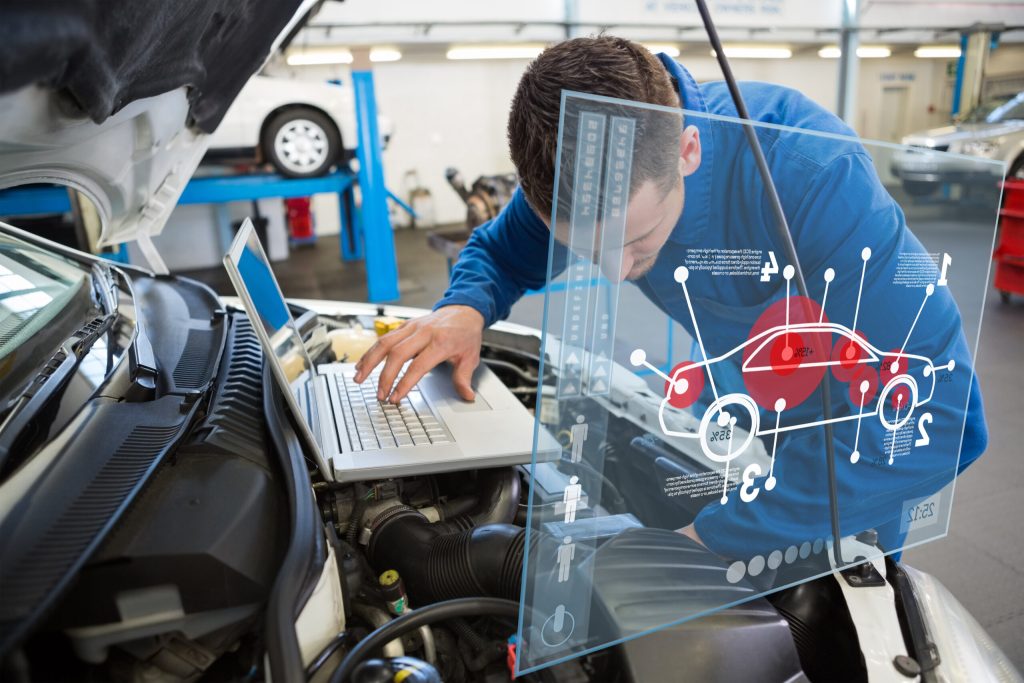
To have a reliable vehicle, you need to take care of it in a way that meets its specific needs. Customized auto repair services approach each car as its own task, not just another job. This method stops problems before they happen, which gives drivers peace of mind and higher performance. Long-term reliability for your car is possible with qualified technicians and a personalized care plan. That’s why more drivers are turning to trusted professionals for auto repair allentown,PA.

Customized Maintenance Planning

  • Technicians look at how you drive and how old your car is to make service plans.
  • Regular maintenance checks lower the chances of a sudden breakdown.
  • Scheduled routine checks are dependent on how much wear and tear has really occurred.
  • Preventive care plans help cars run better for longer.

Personalized plans change based on how and where a car is driven. Services are set up to reflect how vehicles are actually used, not only on a schedule that works for everyone. This helps the car last longer and stay in better shape.

Diagnostic Precision

  • Personalized service involves in-depth digital diagnostics.
  • Tracking things in detail helps find performance problems that keep happening.
  • Keeping accurate data helps find unexpected patterns of wear early on.
  • Repairs based on data lead to smarter, faster fixes.

Personalized diagnostics let specialists figure out exactly what problems a car is having. They can provide the best remedies because they have the right instruments and know the history of the car. This makes each trip to the auto repair allentown,PA more useful and less frequent.

Driver-Centered Recommendations

  • The owner’s demands and expectations are what the service advice is based on.
  • Drivers can make better choices when they can clearly communicate.
  • Personalized advice can help you drive better and make your car last longer.
  • As the car gets older or the driver’s needs change, the recommendations vary.

Drivers get information that helps them reach their goals, whether those goals be safety, fuel efficiency, or extended life. Personalized service teams keep drivers informed, making sure that every repair or change has a reason and a plan.

Building Trust Through Long-Term Service

  • Regular technicians get to know the history of the car.
  • Long-term service helps find little problems before they get worse.
  • Having a relationship with trusted professionals makes drivers feel more sure of themselves.
  • Regular care means fewer crises and smoother rides.

By concentrating on how cars are used in the real world and how their needs change, tailored auto repair helps maintain their reliability. It’s a proactive way to keep the car safe and lower expenditures in the long run. With careful attention and a plan that fits their needs, drivers can travel for years without worry or stress.

As electric vehicles (EVs) continue to gain traction across Colorado, many residents have taken advantage of generous government incentives to make the switch from gas to electric. But all of that is about to change. The federal EV tax credits, which have fueled nearly two decades of EV growth, are set to expire on September 30, 2025. If you’ve been considering purchasing an EV or installing a home charging station, now is the time to act.

In this blog, we’ll break down what Colorado drivers need to know about the expiring EV incentives, how to take full advantage before the deadline, and what the future could hold for electric mobility across the state.

What Are EV Incentives and Why Are They Ending?

For nearly 20 years, the federal government has offered tax incentives for individuals and businesses that purchase electric vehicles. These credits, which can total up to $7,500, were created to encourage adoption and support innovation within the EV industry. They’ve played a major role in helping EV manufacturers scale production and reduce costs.

However, due to rising EV sales, growing automaker participation, and shifts in policy priorities, the federal government is sunsetting these incentives nationwide. Unless Congress takes further action, the program will officially end on September 30, meaning any vehicles purchased after that date will no longer qualify for the credit.

This change marks the end of an era for EV affordability—and makes the next few months a critical window for Colorado buyers.

What Colorado EV Buyers Should Know Before the Deadline

Act Now for the $7,500 Federal Credit

To qualify for the current federal EV tax credit, buyers must take delivery of their vehicle before September 30. Delays in manufacturing or shipping could leave you without the benefit, even if you ordered ahead of time. Make sure to confirm with your dealership or manufacturer that your purchase will be processed and delivered before the deadline.

Pair Federal Incentives With Colorado State Rebates

Colorado residents also benefit from state-level rebates. Currently, the Colorado Energy Office offers a rebate of up to $5,000 for eligible EVs. While this program is still active for now, it could be reevaluated in response to the end of the federal credit.

Combining federal and state programs can result in $12,500 or more in total savings, but only if you act quickly.

Planning Home EV Charger Installation Before the Deadline

Buying an EV isn’t the only decision you’ll need to make before September 30. Installing a Level 2 home charger can make daily charging faster and more convenient. Many Coloradans have turned to tesla certified installers to ensure that their charger is properly connected and safe for home use.

Homeowners may also be eligible for additional tax credits or rebates for charger installation—some of which may also be affected by the upcoming policy change.

Who Is Most Affected by the EV Credit Expiration?

New EV Buyers in 2025

First-time buyers will be hit the hardest. Without the federal incentive, the entry price for EVs will rise significantly, making it more difficult for everyday drivers to afford clean transportation.

Automakers Like Tesla and Rivian

Manufacturers that rely on sales volume will need to adjust pricing strategies or offer alternative incentives. For example, government-issued credits have supported Tesla and other EV makers for years—this shift will force automakers to compete more directly on features, quality, and charging ecosystems.

Don’t Forget Charging Infrastructure Support

EV adoption isn’t just about the vehicle—it’s also about where and how you charge. Whether you own a Tesla or a different EV model, finding the right installation partner is critical. Search for tesla electricians near me to find certified professionals who understand local permitting, grid requirements, and safety standards.

A trusted installer ensures your charger performs optimally and meets Colorado’s electrical code requirements, protecting your investment for the long haul.

What’s Next for EV Policy in the U.S.?

While the federal credit is ending, the broader conversation about climate policy and electric mobility continues. Some experts expect a shift toward infrastructure-focused funding, while others call for a new approach to support equity and innovation in transportation.

The EPA is expected to review waiver policies and emissions targets to align future transportation programs with state-level goals. Learn more about how current reporting may shape post-2025 policy direction.

What Colorado EV Shoppers Should Do Now

If you’re considering an EV, here’s your action plan before September 30:

  • Research eligible vehicles and confirm that they qualify for both federal and Colorado incentives.
  • Contact your dealership to confirm delivery timelines before the deadline.
  • Understand how local incentives, utility programs, and city grants may further lower your costs.
  • If needed, talk to a tax advisor to ensure you maximize available deductions before the policy changes.

Don’t wait until the last minute—Colorado dealerships are already seeing increased EV demand due to the upcoming expiration.

Conclusion

With the September 30 deadline quickly approaching, time is running out for Coloradans to benefit from generous EV incentives that have supported the industry for nearly two decades. Whether you’re upgrading to your first electric car or expanding your charging options at home, making the move now can save you thousands of dollars.

If you’re searching for qualified local support, turn to licensed experts who specialize in EV systems and electrical installations. For the latest on services and availability, visit https://www.ezevelectric.com/

For EV buyers in Colorado, this is a pivotal moment to act before tax savings vanish. Stay ahead of the curve and make the most of today’s opportunities in the fast-changing world of electric mobility and (clean transportation).

Phone: (720) 774-2679

Email: frontdesk@ezevelectric.com

Before your car breaks down altogether, there are frequently warning indications. Not everything breaks down when you least expect it. Many drivers can spot car problems, but some ignore them. Small flaws become large fixes thereafter. You may hear an odd sound, jerk, or warning light if your car is having difficulty. Missing these indicators might endanger or trap you. Your car must be safe and reliable for work or weekend road trips. Early detection may save money, time, and worry. These are the most critical symptoms your car requires immediate attention.

Flashing Check Engine Light

If the check engine light doesn’t change, a lot of people don’t pay attention to it. You need to move straight away because of that intense light. If your engine is misfiring, a bright light might signal that it is damaging the catalytic converter or other parts.  Your car has to be serviced if the check engine light is flashing. A tech can understand the code, find out what’s wrong, and correct it before it becomes worse.

Problems with transmission

If your car pauses, jerks, or slides, the gear changes could not operate. Don’t ignore the gearbox if it performs weirdly; it helps the car change speeds. Gear changes might cause the car to act up or make unusual noises. These symptoms usually worsen fast. Fixing a little transmission issue early is cheaper than replacing the complete system later. Don’t get stopped if your car is slow or not moving. Get it checked out straight now.

Visible Smoke

Under hood or tailpipe smoke is always a negative indication. Different smoke colors indicate different things. White smoke indicates cooling leaks, blue smoke indicates oil fires, and black smoke indicates fuel over burning. In any event, it indicates a problem underground. If you drive a car that is smoking, it might damage the engine, grow too hot, or even catch fire don’t let it go. If you observe smoke, stop and call for help or go to a European Auto Repair in Puyallup, WA.

Poor Brakes

Brakes are crucial to your car.   You must respond swiftly if things seem wrong.   When you come against the following signs, you should replace your brake pads or repair your braking system. Operating a broken brake under an emergency is dangerous. You, your friends, and other automobiles will be safer if you get them checked out and mended soon away.

Conclusion

Sometimes your car may try to notify you something is wrong. You must learn to listen. You must act fast when a red warning light, gear malfunction, smoke, or brake problem appears. A simple remedy might become a major issue if you wait. Your car acting strangely? Be safe. When you feel something is not right, go by your instinct and talk to a specialist immediately. Your car may be safe and avoid expensive problems with a quick repair at Kassel motor sports.


Getting a forklift license in Dubai is necessary if you want to work in warehouses, construction sites, or logistics yards. A forklift may look small compared to large trucks, but it carries heavy loads and must be operated safely. Dubai has a clear process for licensing, and if you follow the steps properly, you can get your license without trouble. But many people make avoidable mistakes. These mistakes can delay your application, add costs, or cause test failures.

This article explains all the common errors people make while applying for a forklift license. It also tells you how to avoid them with the right planning.

Starting Without Understanding the Rules

One of the most common mistakes is starting the process without knowing the full set of rules. Dubai has clear age and document requirements for heavy equipment training. You must be at least twenty years old to apply for a forklift license. You also need a valid Emirates ID and a residence visa linked to Dubai. If your visa is from another emirate, your application may be rejected or delayed unless you provide extra documents.

People who skip this step usually face problems after paying the fees. Always check the eligibility criteria before signing up.

Skipping the Eye Test and Medical Check

Forklift driving needs good eyesight and full body control. Yet, many people delay or skip the eye test. Without an eye test result from an approved clinic, you cannot open your training file. In some cases, medical fitness reports may also be needed. This proves you are healthy enough to operate heavy lifting machines.

If you avoid this step, your application will not move forward. Start by getting your eye test and medical clearance. It saves time and helps avoid rejection later.

Choosing the Wrong Driving School

People often look for the cheapest school instead of the most reliable one. But forklifts require proper hands-on training. You need a school that offers focused training on small space movement, load balance, safety checks, and controlled lifting. The best driving classes in Dubai will have certified trainers, proper yards, and modern equipment.

Make sure the school is approved by the relevant authorities to provide forklift training. A good school gives you better practice and improves your chances of passing the final test.

Not Asking About the Full Training Plan

Some people join without knowing how many sessions are included or what topics will be covered. Forklift training is usually divided into theory and practice. You must understand how much time is given to classroom learning and how much to real driving.

If you don’t get enough practical hours, you may not be ready for the final test. Always ask for a complete training plan. Check what is included in the package and what extra charges may apply later.

Missing Theory Classes or Not Studying Well

People sometimes skip theory classes or treat them as unimportant. But theory sessions explain safety signs, machine handling, and proper load lifting techniques. They also prepare you for the written test. If you do not attend these classes or do not study the guide, you are more likely to fail.

Take notes in every session. Go through the study material before your test. Ask questions if something is unclear. Small efforts at this stage help you pass the written test easily.

Not Practicing Enough in the Yard

The forklift yard is where you learn to turn, lift, reverse, and park inside small areas. Many people rush this part or do not take it seriously. But this part prepares you for the practical test.

You need to get used to using the controls with accuracy. Forklifts respond differently compared to cars. You must also learn how to balance loads without tipping or dropping them.

Ask for extra practice time if you are not confident. It is better to practice more than to fail later.

Forgetting to Use Mirrors and Signals

During both training and tests, instructors watch your mirror use and hand signals. Forklifts move in tight areas. You must check both sides before turning or reversing. Forgetting to look at mirrors or skipping signals is a common reason for test failure.

Make it a habit to check your surroundings before any movement. Practice giving clear hand signals. These small things show that you are in control and thinking about safety.

Taking the Test Without Enough Practice

Many people book their final test too soon. They think they are ready, but their skills are not strong enough. This leads to test failure and extra fees. You must be fully prepared before booking your test.

Talk to your trainer. Ask if they feel you are ready. Do a full practice run of what happens in the test. If you make mistakes during practice, do not ignore them. Fix them before facing the examiner.

Panicking During the Final Test

Nervousness is natural, but too much panic can ruin your test. Some people forget to use signals, look in mirrors, or follow instructions. This happens when they are not calm.

Before the test, take deep breaths and stay relaxed. Listen to the examiner carefully. Focus on your actions and do not rush. A steady mind gives you better control. Keep your movements slow and clear.

Failing to Ask for Feedback After Mistakes

If you fail the test, some people do not ask what went wrong. They repeat the same mistakes the next time. This only adds more delays and costs.

After any failed attempt, ask the instructor or examiner what errors you made. Practice those areas again. Fixing your weak points increases your chance of passing in the next try.

Conclusion

Getting a forklift license in Dubai is possible if you take the right steps. Many people face delays because of small and avoidable mistakes. Choosing the wrong school, skipping theory, and not practicing enough are the main problems.

Always start by checking the requirements. Choose approved driving classes in Dubai that focus on forklift training. Attend all your sessions, ask questions, and get enough practice. Do not rush your test. Stay calm, stay focused, and follow safety rules.

If you follow these steps, you can get your forklift license without extra trouble. It opens up many job options, and you will be trusted to handle important tasks with care.

From time to time even the most reliable cars can have problems. Early discovery of these issues can help you to get professional auto repair in Holland, MI, so keeping your car running safely and effectively. Here are nine common problems with cars and how professional mechanics usually fix them.

Check Engine Light

This light means that there might be a problem with the engine or the pollution system. Stop moving right away if it blinks, often, the only issue is a loose gas cap. If not, mechanics use diagnostic tools to read error codes and fix things like replacing sensors or cleaning the catalytic converter.

Unusual sounds

Wear-out parts, fluid problems, or loose parts could cause noises like squealing, grinding, or knocking. After making sure there isn’t any junk inside, professionals will look at parts like the brakes, suspension and engine bearings to find and resolve the problem.

Car Not Starting

A dead battery, a defective starting motor, or fuel or ignition issues are usual. Mechanics evaluate the battery, ignition system, and fuel flow before making repairs or replacements.

One-sided pulling

Worn tires or wheels that aren’t lined up right can cause this problem, usually, an adjustment fixes it. If not, the expert might check the brakes or tires to find a bigger problem.

Steering Wheel Shake

Unbalanced tires, old suspension parts or problems with the alignment can all cause the steering wheel to shake. Professional balancing, alignment or replacement of suspension parts is generally needed.

Squeaky brakes

Brake noise generally indicates worn pads or warped wheels. To make sure the brakes work safely, technicians will check the whole system and may repair pads, resurface rotors or grease hardware.

Fluid Leaks

Damage can be catastrophic if oil, coolant or brake fluid leaks. A visual check helps find the cause, and to resolve the problem, seals, gaskets or hoses may need to be replaced to stop the leak and raise the fluid level.

Electrical issues

Flickering lights or broken accessories often stem from corroded connections or damaged wire. The battery and generator will be checked by technicians and any broken electrical parts will be fixed or replaced as needed.

Transmission issues

If you notice signs like changing too quickly or gears slipping, you may need to check the fluids, test drive or do diagnostics. To resolve the problem, you can replace the clutches, fix the seals or clean the fluid to make sure everything works smoothly. Getting professional help for auto repair in Holland, MI for expert evaluation and repair makes sure that your transmission works properly.

Conclusion

Maintaining the safety and performance of your car depends on regular maintenance and repairs when it breaks down. Professional mechanics can assess and fix your car so it runs as best as it should when you need dependable reliable auto repair in Holland, MI.

Dents and dings in cars undergo professional repair through paintless dent removal techniques without needing any vehicle repainting. Paintless dent removal in Melbourne performs the repair by using tools that restore the metal to its original position. This method yields successful results as long as the dented area has not developed either chips or cracks in its paint surface.

It’s perfect for:

  • The technique removes minor dents that occurred during parking spot accidents.
  • Damage from hailstorms.
  • Dents that develop owing to contact or generated pressure fold into small creases.

The repair method aligns the original paint surface of your vehicle while protecting its market value.

How Does the Process Work?

The initial step involves scrutinizing the damage to conduct an assessment. The technician looks at the dent’s location, size, and depth, among other factors. A dent that can be reached easily with no damage to the surface suggests paintless dent removal as an appropriate repair method.

Here’s how it usually goes:

  • Access to the dent must be obtained by removing panels or using pre-existing apertures.
  • Specialized tools include long rods or tabs used to ease out the dent from the vehicle’s rear surface.
  • Lightboard technology provides dent progression visibility to technicians so they can observe dent deformation during each operational move.

The duration of the operation ranges between half an hour to multiple hours based on the complexity of the dent.

Why It’s a Smart Choice

The process of paintless dent removal offers several evident advantages that customers appreciate.

  • The repair costs remain lower than standard methods because it omits both repainting and filler procedures.
  • The duration of numerous repair tasks allows technicians to complete them within one working day.
  • Eco-friendly: No paint, no chemicals, and minimal waste.
  • Saving value occurs because your car’s initial factory paint remains unharmed, enabling better resale value.

Everyday drivers in cities mostly choose this method because of lower costs and fewer maintenance needs that come from regular dents.

When Is It Not the Right Option?

Paintless dent repair does not function correctly under three certain circumstances:

  • Dents with cracked or chipped paint
  • Very sharp or deep dents
  • You should avoid PDR because some car areas become difficult to reach, such as spaces located behind specific bumpers.

Traditional body shop repairs are necessary in these given situations.

Why Paintless Dent Removal in Melbourne Makes Sense

Vehicle owners throughout Melbourne find paintless dent removal to be their perfect choice because of heavy traffic and packed parking spaces, as well as unexpected ice storms. The method provides high-speed results at budget-friendly prices, which prevents your car from entering a paint booth for repair.

Final Thoughts

The smart choice for addressing minor car damage involves performing paintless dent removal. You can achieve the best car appearance with minimal effort and financial investment. The chosen technique of damage repair protects your vehicle’s factory finish and keeps your car more valuable for future resale. The short repair time enables swift vehicle accessibility following the service. This method provides contemporary drivers with a quick, affordable, and efficient solution for repairing car dents that occur from shopping carts or hail damage.

Modern vehicles are equipped with a range of warning and control systems that significantly enhance safety and improve the driving experience. These systems continuously monitor the vehicle’s surroundings using advanced sensors and cameras, alerting drivers to potential hazards. Whether it’s an obstacle ahead, a lane departure, or a sudden change in traffic conditions, these systems help drivers respond swiftly, potentially preventing accidents. As automotive technology evolves, these systems are becoming more precise and effective, offering an additional layer of safety and convenience.

Types of Warning and Control Systems

There are several critical warning and control systems commonly found in today’s vehicles. Lane departure warning is one of the most widely used, alerting the driver if the car unintentionally drifts out of its lane. Another essential system is forward collision warning, which identifies potential collisions with objects or vehicles in the path of the car, providing timely alerts to prevent accidents. Adaptive cruise control, on the other hand, automatically adjusts the vehicle’s speed to maintain a safe distance from the car in front, reducing the need for constant speed adjustments.

Other helpful systems include parking sensors, which assist drivers in parking by detecting nearby obstacles, and blind-spot monitoring, which alerts drivers when another vehicle is in their blind spot, reducing the risk of accidents during lane changes. Automatic emergency braking is another key feature, which applies the brakes if a collision is imminent, helping to reduce the impact or even prevent the crash altogether.

In addition to these advanced features, systems like the ABS light also contribute to safety. When the ABS light illuminates, it alerts the driver to a potential issue with the anti-lock braking system, ensuring that the vehicle’s braking system remains effective in emergency situations.

The Future of Warning and Control Technologies

The future of warning and control systems in vehicles is set to become even more advanced, largely driven by the integration of artificial intelligence (AI) and machine learning (ML). These technologies will enable vehicles to adapt to individual driving behaviors and specific road conditions, offering more personalized and intelligent safety features. For example, AI could help vehicles predict potential accidents by processing data from sensors and cameras in real-time, allowing them to take preemptive action. Key Benefits of AI and ML in Future Vehicle Safety:

  1. Personalized Safety Features: Vehicles will adapt to individual driving habits, providing tailored safety responses based on the driver’s behavior.
  2. Real-Time Accident Prediction: AI will process data from various sensors and cameras to anticipate accidents and take preemptive action to prevent them.
  3. Enhanced Obstacle Detection: As autonomous technologies progress, vehicles will become more adept at detecting and avoiding obstacles, improving overall safety.
  4. Smarter Decision Making: AI and ML will enable real-time decision-making for self-driving cars, ensuring optimal safety in any situation.
  5. Improved Road Safety: The integration of AI and ML will minimize human error, significantly reducing accidents and enhancing overall road safety.

Modern cars are computers on wheels, not just mechanical devices. The Engine Control Unit (ECU), which is at the center of this digital control, continuously monitors and modifies a number of engine parameters. Maintaining emissions within legal and environmental bounds is one of its main duties. The ECU continuously interacts with a number of sensors, including those connected to the catalytic converter, in order to accomplish this. Through this connection, the car can modify timing, fuel delivery, and air-fuel ratios to enhance converter efficiency and optimize combustion.

How Oxygen Sensors Bridge the Gap

Oxygen (O2) sensors both upstream and downstream give vital data for catalytic converters. When it comes to exhaust gas monitoring, these sensors are basically the ECU’s eyes and ears. To evaluate combustion efficiency, the upstream sensor, which is situated prior to the converter, monitors the amount of oxygen in the exhaust. After the converter, the downstream sensor assesses how well the converter is eliminating those gases. To ascertain whether the converter is operating properly, the ECU compares the data from the two sensors. Adjustments or even a check engine light will be triggered by any departure from the desired performance. If your O2 sensors or catalytic converter show signs of malfunction, consider seeking Auto Repair in Warwick, RI, to restore your vehicle’s efficiency and emissions control.

Real-Time Adjustments and Converter Efficiency

The oxygen sensors’ feedback is used by the ECU to fine-tune the air-fuel mixture in real time. The ECU adds gasoline if the mixture is too lean and leans it out when it senses that it is too rich (too much fuel). This equilibrium guarantees a consistent flow of gases that the catalytic converter can treat effectively. The ECU may go into “limp mode” or lower engine output to safeguard the system if faulty combustion overwhelms the converter with unburned gasoline. To continuously control emissions, the converter and ECU essentially function as a closed-loop system.

Diagnostic Trouble Codes and Converter Monitoring

Modern ECUs identify and report emissions system issues, including catalytic converter issues. If the downstream oxygen sensor detects a clogged, damaged, or polluted converter, the ECU will record a Diagnostic Trouble Code (DTC), commonly P0420. The code “Catalyst System Efficiency below Threshold” often indicates converter problems. For mechanics diagnosing cars, the ECU’s ability to store and retrieve these codes is crucial for emissions compliance.

Why This Relationship Matters More Than Ever

Catalytic converters and ECUs must work together more as emission standards tighten. Due to stricter standards and a greater reliance on computer-controlled systems, any communication failure can cause performance issues, higher emissions, and costly repairs. This link helps car owners prioritize maintenance, recognize early warning signs, and keep their cars clean and efficient. The converter and ECU work together to optimize performance and environmental protection in modern cars.


Harley Davidson is one of the most well-known motorcycle brands in the world, famous for its powerful engines, classic cruiser designs, and deep-rooted motorcycle culture. Whether you’re a first-time buyer or a seasoned rider looking for an upgrade, knowing how much a Harley Davidson motorcycle costs can help you plan your budget.

The price of a Harley Davidson varies depending on the model, engine size, features, and whether you buy new or used. Some models are budget-friendly, while others are high-end touring bikes packed with premium features. This guide explores the cost of different Harley Davidson models, factors that influence pricing, and what additional expenses to consider before purchasing a Harley.

Harley Davidson Price Ranges by Model

Harley Davidson motorcycles are available in several categories, each catering to different riding styles and budgets. Below is a breakdown of Harley’s main model families and their price ranges.

1. Harley Davidson Sportster Series

The Sportster lineup offers some of the most affordable Harley Davidson motorcycles, making them popular among new riders and those looking for a smaller, lighter bike.

  • Iron 883 – $11,249+
  • Forty-Eight – $12,299+
  • Nightster – $13,499+

These models feature a minimalist design and a mid-sized engine, making them a great entry point into the Harley Davidson lineup.

2. Harley Davidson Cruiser Series

Harley’s cruiser lineup includes models designed for relaxed, comfortable riding with signature V-twin engines and classic styling.

  • Softail Standard – $14,999+
  • Street Bob 114 – $16,999+
  • Fat Bob 114 – $20,199+
  • Low Rider S – $20,999+

Cruisers offer a mix of performance and style, with models available in different engine sizes and configurations.

3. Harley Davidson Touring Series

Touring models are built for long-distance comfort, featuring larger engines, advanced technology, and storage options for extended trips.

  • Road King – $21,999+
  • Street Glide – $25,999+
  • Road Glide Limited – $29,399+
  • Ultra Limited – $32,499+

These motorcycles come equipped with features like infotainment systems, saddlebags, and upgraded suspension for a smooth ride.

4. Harley Davidson Trike Series

For those looking for extra stability and comfort, Harley Davidson offers three-wheeled motorcycles with a unique riding experience.

  • Freewheeler – $30,999+
  • Tri Glide Ultra – $37,999+
  • CVO Tri Glide – $50,999+

Trikes are ideal for riders who want the power of a Harley but prefer more balance and comfort.

5. Harley Davidson CVO (Custom Vehicle Operations) Series

The CVO lineup features Harley Davidson’s top-tier models with premium finishes, advanced technology, and exclusive design elements.

  • CVO Road Glide – $44,499+
  • CVO Street Glide – $42,999+

These models are built for riders looking for the ultimate Harley experience with luxury features and powerful engines.

Factors That Influence Harley Davidson Pricing

Several factors affect the price of a Harley Davidson, including:

1. Model and Engine Size

Larger engines typically come with higher price tags. A Sportster with an 883cc engine costs significantly less than a touring model with a Milwaukee-Eight 114 or 117 engine.

2. Features and Technology

Higher-end Harley models include advanced features such as:

  • Touchscreen infotainment systems
  • GPS navigation
  • Heated grips and seats
  • Custom paint finishes
  • Rider assist technology (ABS, traction control, adaptive cruise control)

These features add to the overall cost of the motorcycle.

3. Customization and Accessories

Many Harley riders personalize their bikes with aftermarket parts and accessories, which can add thousands of dollars to the final cost. Common upgrades include:

  • Performance exhaust systems ($500 – $2,000)
  • Custom seats and handlebars ($200 – $1,500)
  • LED lighting kits ($100 – $500)
  • Luggage and saddlebags ($300 – $2,000)

4. New vs. Used

Buying a new Harley comes with the latest technology, a factory warranty, and no prior wear and tear. However, a used Harley Davidson can be significantly cheaper while still offering a great riding experience.

  • New Harley Davidson motorcycles – $11,000 to $50,000+
  • Used Harley Davidson motorcycles – $5,000 to $30,000+, depending on model, condition, and mileage

If you’re looking to save money, the used market offers great deals on well-maintained Harleys.

5. Dealer Fees and Taxes

Purchasing from a dealership often includes additional costs such as:

  • Sales tax (varies by state, typically 5-10%)
  • Dealer setup and documentation fees ($200 – $1,000)
  • Registration and title fees ($50 – $300)

These costs should be factored into your overall budget.

Additional Costs of Owning a Harley Davidson

Beyond the purchase price, owning a Harley Davidson comes with ongoing expenses that riders should consider.

1. Insurance Costs

Harley Davidson insurance rates depend on factors like rider age, location, bike model, and coverage type.

  • Liability-only coverage – $200 – $500 per year
  • Full coverage insurance – $500 – $2,500 per year

Touring and CVO models typically have higher insurance costs than smaller Sportsters.

2. Maintenance and Repairs

Regular maintenance keeps a Harley running smoothly, but costs can add up over time.

  • Oil change – $100 – $250
  • Tire replacement – $300 – $600 per set
  • Brake pad replacement – $150 – $300
  • Annual servicing – $400 – $1,000

Some Harley riders choose to perform basic maintenance themselves to save on labor costs.

3. Riding Gear

Safety gear is essential for every rider, and investing in high-quality equipment is highly recommended.

  • Helmet – $200 – $800
  • Jacket – $250 – $600
  • Gloves – $50 – $200
  • Boots – $150 – $400

While gear adds to the initial cost, it provides protection and enhances the riding experience.

Tips for Getting the Best Deal on a Harley Davidson

  1. Compare Prices at Multiple Dealerships – Some dealers offer discounts, promotions, or incentives on certain models.
  2. Consider Buying Used – A well-maintained used Harley can provide excellent value at a lower cost.
  3. Check for Financing Offers – Harley Davidson dealerships often have special financing rates for qualified buyers.
  4. Shop During Off-Season Months – Prices may be lower in winter when demand decreases.
  5. Negotiate Dealer Fees – Some dealerships are willing to reduce or waive certain fees if you ask.

Final Thoughts

The cost of a Harley Davidson motorcycle varies widely based on the model, features, and whether you buy new or used. Entry-level Sportsters start around $11,000, while high-end touring and CVO models can exceed $50,000.

Beyond the purchase price, consider additional expenses like insurance, maintenance, and riding gear. Whether you’re buying your first Harley or upgrading to a bigger model, researching pricing and ownership costs will help you make an informed decision.

Getting locked out of your car is frustrating, but staying calm and taking the right steps can help you solve the problem quickly. One of those steps is contacting the Best Gold Coast Locksmiths to ensure fast and professional assistance. Here’s a simple checklist to guide you.

  1. Stay Calm

Panicking won’t help. Take a moment to breathe deeply and think through your situation calmly. Keeping a clear head is the first step toward finding a solution.

  1. Call for Professional Help

Reaching out to a locksmith or roadside assistance is often the safest and quickest option. If you’re in Maryland areas like Germantown or Frederick, services like Geyer’s Towing can assist you. Check if your auto insurance covers lockout services to save on costs.

  1. Try DIY Methods Carefully

If you’re unable to call for help, these methods may work:

  • Slim Jim or Coat Hanger: Insert the tool between the weatherstripping and window to access the lock. This works best for manual locks but requires caution to avoid damaging your car.
  • String or Shoelace: Create a slipknot, slide it inside the door, and loop it around the lock button or handle to unlock.
  • Windshield Wiper Blade: Remove a blade, bend the metal, and carefully maneuver it to reach the lock mechanism.
  • Inflatable Wedge: If your window is slightly open, use an inflatable wedge to create space and reach the lock manually.
  • Bobby Pin: Slide the pin into the door’s seam and gently maneuver it to release the lock.
  1. Use Technology

Many modern cars come with mobile apps that can unlock doors remotely. Check if your vehicle has this feature and follow the app’s instructions for quick access.

  1. Call a Trusted Person

If you have a spare key at home, reach out to a family member or friend to bring it to you. Always keep a spare key in a secure and accessible place for emergencies.

Tips to Prevent Lockouts

Avoid future lockouts with these simple precautions:

  • Carry a Spare Key: Keep an extra key in your wallet or bag.
  • Check Your Locking Mechanism: Ensure its functioning properly to avoid accidental lockouts.
  • Don’t Rush: When exiting your car confirm you have your keys.
  • Install an Alarm System: Some alarms alert you if the keys are left inside.

Final Thoughts

Getting locked out of your car is inconvenient, but with the right approach, you can regain access without unnecessary stress. If DIY methods don’t work or feel too risky, rely on professional services like locksmiths or towing companies. Prevention is key, so always plan to avoid similar situations.

For quick and reliable assistance, companies like Geyer’s Towing are available to help you get back on the road. Stay calm, choose the best solution for your situation, and handle it with care.